

The modern nursery has transformed into a high-tech command center, driven by the desire to provide the ultimate level of protection for our little ones. As wearable tech continues to proliferate, parents are increasingly faced with a fundamental question: are these devices a necessary evolution in safety, or are they an manifestation of over-parenting born from anxiety? Balancing the need for vigilance with the desire to foster a natural environment for a developing child is a challenge that defines contemporary parenthood. As we navigate this landscape, understanding the difference between helpful monitoring and data-driven stress is essential for every family.
The Evolution of Monitoring: From Audio to Biometrics
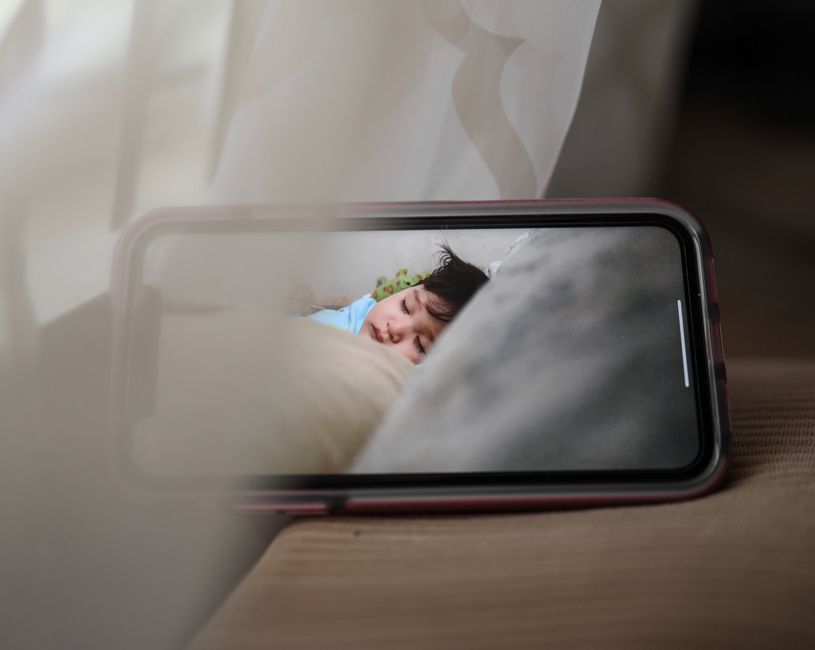
For decades, parents relied on simple audio monitors to alert them if their child was crying. Today, the market for wearable tech has expanded to include devices that track everything from heart rate and oxygen levels to skin temperature and sleep patterns. These devices are marketed as tools for peace of mind, promising to bridge the gap between a parent’s intuition and clinical data. However, the move toward constant biometric tracking raises questions about the psychological impact on both the parent and the child.
While these devices can provide valuable insights, they also create a feedback loop where parents may feel tethered to a screen, constantly checking statistics rather than trusting their observations. The convenience of a wearable device—such as a smart sock or a specialized wristband—is often weighed against the potential for false alarms, which can cause significant emotional distress and lead to unnecessary medical interventions or disrupted sleep for the entire family.
The Debate: Safety or Over-Parenting?

The core of the debate lies in the distinction between medical-grade monitoring and consumer-grade convenience. Proponents argue that for parents of infants with specific health needs or those recovering from illness, these devices offer a level of safety that was previously unattainable at home. Knowing that a child’s vital signs are within a normal range can alleviate the paralyzing anxiety that often plagues new parents.
Conversely, critics point out that the sheer volume of data produced by wearable tech can lead to a state of hyper-vigilance. When parents are conditioned to react to every fluctuation in a chart, they may lose touch with the natural rhythms of their child. The concern is that we are moving toward a culture of over-parenting, where the focus shifts from nurturing and observation to constant data analysis. This shift risks turning the intimate act of parenting into a technical, diagnostic process.
Non-Contact Alternatives: The Rise of Smart Monitoring
One of the most significant advancements in the sector is the move away from wearable devices toward non-contact, sensor-based systems. Parents often find that placing a device directly on a child is cumbersome, potentially uncomfortable, or prone to displacement. Newer technologies, such as the Hollace smart monitor system, represent a shift toward gathering medically informed data without the need for the child to wear anything at all.
Hollace, for instance, utilizes FDA-cleared infrared photoplethysmography (PPG) sensors to monitor vital signs like heart rate, oxygen saturation, and respiratory rate. By using low-power infrared light that is invisible to humans and pets, these systems analyze reflected signals to provide real-time safety insights. Because the system is non-contact, it avoids the physical irritations associated with traditional wearables while still providing the data parents crave. Crucially, these systems are designed for monitoring, not diagnosis; they provide the information necessary for parents to make informed decisions without replacing the role of a pediatrician.
Evaluating the Technology: A Comparison of Approaches
| Feature | Traditional Wearables | Non-Contact Smart Systems | |
|---|---|---|---|
| Contact Method | Direct skin contact (socks/bands) | Remote sensor (wall/crib mount) | |
| Comfort/Ease | Risk of irritation or displacement | Unobtrusive; child is not burdened | |
| Data Type | Biometric tracking | Biometric tracking (FDA-cleared sensors) | |
| Primary Goal | Safety monitoring | Safety monitoring and sleep insights |
Data Privacy and the Digital Footprint
When discussing wearable tech for kids, one cannot overlook the implications of data privacy. Every piece of biometric data collected by a device is transmitted to a server, often stored in the cloud. Parents must be diligent in understanding how this information is handled, who has access to it, and what the security protocols are. Entrusting a company with your child’s health data is a significant step, and it is vital to select platforms that prioritize encryption and user privacy over data monetization.
What should parents look for in a privacy policy?
Parents should prioritize companies that clearly state they do not sell user data to third parties. Look for information regarding data encryption both in transit and at rest. Additionally, verify if the device manufacturer allows you to delete your data permanently upon request. Transparency is a hallmark of a responsible tech provider, especially when it comes to sensitive biometric information.
FAQ: Navigating the World of Smart Monitoring
Are biometric wearables for toddlers medically necessary?
For the vast majority of healthy children, biometric wearables are not medically necessary. They are primarily consumer tools designed to provide peace of mind. If a child has a specific medical condition, monitoring should be determined by a pediatrician, often using clinical-grade equipment rather than commercial wearable tech.
Do these devices replace professional medical advice?
Absolutely not. It is critical to remember that even devices with FDA clearance are for monitoring purposes only. They do not diagnose conditions and should never be used as a substitute for professional medical assessment. If a device indicates an anomaly, it should be treated as a prompt to observe the child and contact a healthcare provider, not as a definitive medical diagnosis.
How do I prevent “data fatigue” when using monitoring tech?
To avoid becoming overwhelmed by data, set boundaries for yourself. Use the monitor as a tool to confirm that your child is resting comfortably, rather than as a constant stream of information to be analyzed. If you find yourself checking the app more often than you are sleeping or engaging with your child, it is time to reassess your usage of the device.
What makes a monitoring system “FDA-cleared”?
FDA clearance means that a device has been reviewed by the FDA and found to be substantially equivalent to another legally marketed device. For a system like Hollace, this clearance is specific to its ability to monitor vitals like heart rate and oxygen saturation. It confirms that the technology has met rigorous standards for safety and efficacy in its intended use.
Conclusion: Finding the Balance
The journey of parenthood is inherently filled with uncertainty, and it is natural to seek out tools that promise to make the path smoother. Wearable tech and smart monitoring systems can certainly be powerful allies in ensuring the safety and well-being of our kids. However, these devices should supplement our intuition, not replace it. By choosing technology that is unobtrusive, transparent with data, and grounded in clinical-grade monitoring rather than alarmist trends, we can strike a healthy balance.
Ultimately, the best monitor for your child is one that allows you to feel confident and secure without compromising the joy and simplicity of the early years. Whether you opt for a high-tech non-contact system or stick to traditional methods, remember that your presence, your touch, and your responsiveness remain the most important tools in your parenting toolkit. Embrace the technology that serves your family’s needs, but never lose sight of the fact that your love and attention are the true foundations of your child’s safety.