

For many young people living in bustling city centers, the journey of a vegetable from a seed to a salad plate is a complete mystery. While grocery stores are filled with produce, the actual process of farming remains disconnected from the daily experience of urban youth. This is where the rise of agro-gaming comes into play. By blending the excitement of digital entertainment with the intricate science of agriculture, immersive simulators are transforming how the next generation understands food systems, sustainability, and environmental stewardship. Through interactive platforms, students are discovering that farming is not just about manual labor, but a complex, data-driven puzzle that requires critical thinking and patience.
The Digital Farm: Bridging the Nature Deficit
Urban youth often struggle with what researchers call “nature deficit disorder,” a term describing the disconnect between children and the natural world. Agro-gaming acts as a vital digital bridge. When students engage with a farming game, they are not just clicking buttons; they are learning about the delicate balance of ecosystems. These simulators allow students to experiment with variables like soil pH levels, irrigation schedules, and crop rotation in a safe-to-fail environment. Unlike a real-world garden where a mistake might result in a lost harvest and wasted resources, a virtual simulator allows for rapid iteration and learning through trial and error.
Gamification as an Educational Catalyst
The effectiveness of agro-gaming lies in its use of game-based learning. By integrating mechanics such as quest-based learning, leaderboards, and virtual economies, educators have seen engagement levels in STEM-related agricultural curricula rise by as much as 40%. For example, in the Cornucopia farming game, players must balance the needs of their crops with the economic realities of running a farm. This adds a layer of depth that keeps students invested, as they must manage resources, trade goods, and even navigate social relationships, such as the Cornucopia game romance mechanics that add a layer of narrative complexity to the simulation.
Understanding the Symbolism of the Cornucopia
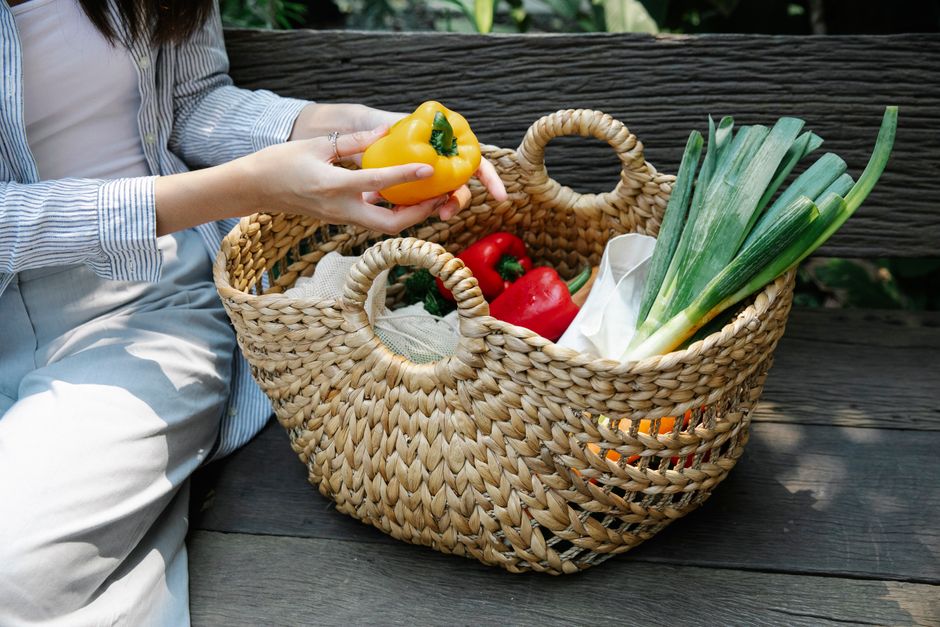
The term Cornucopia is deeply rooted in agricultural history. Derived from the Latin cornu copiae, the Cornucopia meaning is literally “horn of plenty,” symbolizing abundance and nourishment. Historically, this symbol has appeared in various forms, from ancient mythological depictions to the controversial Cornucopia Fruit of the Loom logo debate, where many people remember a horn that never actually existed in the brand’s branding. In the context of modern agro-gaming, the term represents the ultimate goal of sustainable agriculture: creating a reliable, plentiful food supply through smart, ecological practices. Whether it is a digital Cornucopia drawing used to teach design or an actual Cornucopia, WI, agricultural initiative, the concept reminds us that food security is a goal worth pursuing.
Why Simulation Matters for Urban Agriculture
Immersive simulators provide more than just entertainment; they serve as a testing ground for urban farming solutions. As rooftop gardens and hydroponic systems become more common in city planning, simulators help youth understand the technical requirements of these projects. By playing a simulation, a student can learn how to optimize a small space for maximum yield, a skill that is directly transferable to real-life urban gardening projects. These games translate complex agricultural concepts into manageable, interactive challenges that empower students to view their local food systems with a new perspective.
Table: Comparison of Learning Methods in Agriculture
| Feature | Traditional Classroom | Agro-Gaming Simulation |
|---|---|---|
| Resource Cost | Low to Moderate | Zero (Virtual) |
| Failure Consequence | Low (Grade-based) | None (Safe-to-fail) |
| Complexity | Theoretical | Applied/Dynamic |
| Engagement | Passive | Highly Interactive |
Frequently Asked Questions
Which state is 90% farmland?
While no state is exactly 90% farmland, Nebraska and Kansas are frequently cited as having very high percentages of land dedicated to agriculture. Nebraska, for instance, has approximately 90% of its land area utilized for farming and ranching, making it a central hub for agricultural production in the United States.
What is the most realistic farming simulator game?
The Farming Simulator series is widely considered the most realistic farming simulator currently available. It offers detailed machinery, complex crop management, and realistic physics that require players to understand the actual mechanics of modern agriculture. However, for those interested in the ecological and social aspects of farming, games like the Cornucopia series offer a different, more holistic type of realism.
Why is urban farming becoming more popular?
Urban farming is gaining traction due to the growing desire for food security, the reduction of carbon footprints through local production, and the mental health benefits associated with gardening. It allows city dwellers to reclaim vacant spaces, improve local air quality, and gain a better understanding of where their food comes from, all while fostering community connection.
What are the 13 principles of agroecology?
The 13 principles of agroecology, as outlined by the High Level Panel of Experts on Food Security and Nutrition (HLPE), include recycling, input reduction, soil health, animal health, biodiversity, synergy, economic diversification, co-creation of knowledge, social values, circular economy, responsible governance, participation, and connectivity. These principles guide sustainable food systems by prioritizing ecological balance and social equity.
Conclusion
The rise of agro-gaming represents a significant shift in how we approach agricultural education. By leveraging the immersive power of digital simulators, we are giving urban youth the tools to engage with the natural world in a way that is relevant to their tech-forward lives. Whether they are mastering the complexities of crop rotation in a game, learning the history behind the Cornucopia, or applying their knowledge to a physical rooftop garden, these students are becoming the next generation of food innovators. Agro-gaming is not just a trend; it is a sustainable solution to the growing knowledge gap, ensuring that the future of farming is understood, valued, and practiced by the leaders of tomorrow.