
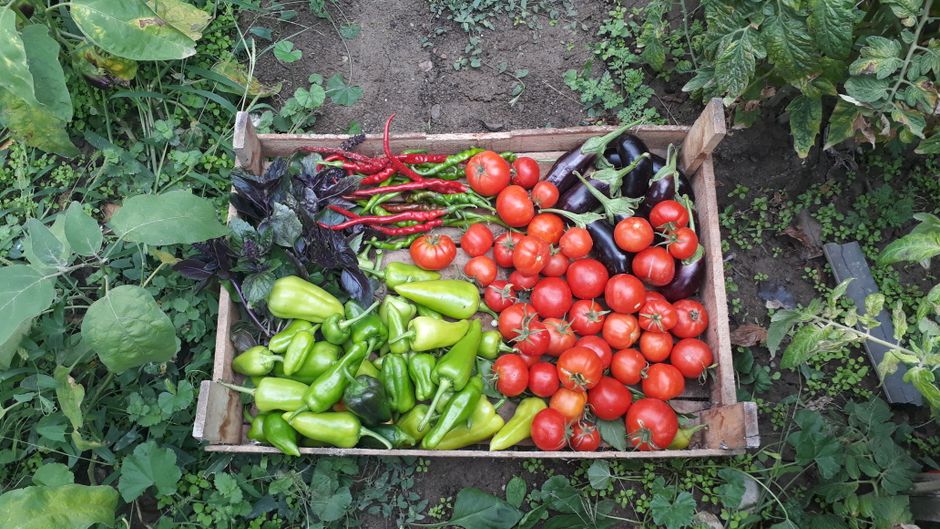
The modern home kitchen is often a site of both creativity and hidden inefficiency. Despite our best intentions, household food waste accounts for nearly half of all food waste in developed nations, representing a significant environmental burden and an unnecessary financial drain. While individual efforts to meal plan are commendable, the most effective strategy for systemic change lies in moving beyond the four walls of our homes. By fostering a community-supported kitchen model through neighborhood food swaps, we can transform surplus ingredients from potential trash into valuable resources, strengthening local connections while taking meaningful action to reduce food waste.
The Mechanics of Neighborhood Food Swaps

A neighborhood food swap is a grassroots mechanism designed to redistribute surplus perishables before they reach their expiration date. Unlike traditional donation models, which often involve long-term storage or logistics, food swaps focus on the immediate, hyper-local exchange of ingredients. This approach addresses the problem of ‘last-mile’ waste, where perfectly edible food is discarded simply because a household cannot consume it before it spoils.
Building Trust and Proximity
Research published in the Journal of Environmental Sociology highlights that trust and social proximity are the primary drivers for participation in these networks. When neighbors exchange a bunch of kale, an extra carton of eggs, or a jar of homemade preserves, they are doing more than just moving groceries; they are building a resilient ecosystem. This social capital is what makes the model sustainable. Participants are more likely to engage when they know the people involved, creating a culture of accountability and mutual support that keeps the cycle of sharing moving.
The Environmental and Economic Impact
The environmental case for community-based sharing is compelling. By decreasing the demand for new grocery purchases, these networks help lower an individual’s carbon footprint. Every item swapped is an item that does not need to be packaged, transported, or refrigerated in a retail environment. Furthermore, the economic benefits are immediate. Households save money on their grocery bills, and the collective reduction in waste lessens the pressure on municipal waste management systems.
Establishing a Local Sharing Network

Starting a food-swap initiative does not require a complex technological infrastructure. In fact, many of the most successful programs operate through simple digital group chats or monthly physical gatherings at a neighborhood park or library. The goal is to lower the barrier to entry so that participants can easily list items they have in surplus and claim items they need.
Best Practices for Safe Swapping
To ensure the longevity of your community kitchen network, clarity and safety are paramount. Establish a few ground rules early on to keep the exchange functioning smoothly:
- Labeling: Always label items with the date they were purchased or prepared. For homemade items, include a list of major allergens.
- Quality Control: Only swap items you would be happy to serve in your own kitchen. If an item is borderline, it is better to compost it than to pass it along.
- Hygiene: Use clean, airtight containers for any loose items or bulk ingredients.
- Transparency: Be honest about why you are giving an item away—whether it is a surplus of garden harvest, a change in dietary needs, or simply an accidental duplicate purchase.
Integrating Community Sharing into Daily Cooking
To truly reduce food waste, you must shift your perspective on the contents of your refrigerator. Instead of viewing a half-used container of yogurt or a lonely bunch of herbs as a singular ingredient, view them as components of a communal pantry. When you engage with your neighbors, you are no longer limited to your own culinary imagination. A surplus of tomatoes from one neighbor might pair perfectly with the fresh basil from another, turning a potential waste scenario into a collaborative meal.
| Waste Category | Traditional Approach | Community Swap Approach |
|---|---|---|
| Perishables | Discard after expiry | Trade before expiration date |
| Bulk Purchases | Risk of spoilage | Split and share costs/quantities |
| Garden Surplus | Compost or discard | Barter for other pantry staples |
Frequently Asked Questions
What is the purpose of a community kitchen?
The primary purpose of a community kitchen is to provide a shared space or network for food preparation, education, and resource redistribution. By pooling ingredients and culinary skills, these initiatives help individuals reduce food waste, lower their grocery expenses, and foster a sense of social cohesion. They serve as a hub where surplus food is managed collectively, ensuring that edible items are consumed rather than discarded.
What are 5 ways to reduce food waste?
You can effectively reduce food waste by adopting these five habits: 1. Shop with a specific list based on meal planning to avoid over-purchasing. 2. Practice ‘first-in, first-out’ rotation in your refrigerator, placing newer items at the back. 3. Learn to preserve food through pickling, drying, or freezing when you have an excess. 4. Utilize your freezer to store leftovers or ingredients that are nearing their end. 5. Participate in or organize a local food-swap network to distribute surplus items to neighbors before they spoil.
What are some healthy food swaps?
Healthy food swaps involve substituting nutrient-dense options for processed ones. For example, swap sour cream for plain Greek yogurt in recipes to increase protein and reduce fat. Replace refined white flour with almond or oat flour for added fiber. You can also use mashed avocado instead of butter in baking for heart-healthy fats, or substitute soda with sparkling water infused with fresh fruit. These swaps not only improve nutritional quality but often utilize ingredients that are more versatile in a community sharing context.
What is the theme for food waste Action Week in 2026?
While specific themes for international observances like Food Waste Action Week are typically announced by organizations like WRAP closer to the date, the broader focus for 2026 continues to center on the intersection of household behavior and systemic change. Recent trends suggest an emphasis on ‘The Power of the Neighborhood,’ focusing on how collective local action can drive significant reductions in household waste through technology and community-supported models.
Conclusion
Reducing food waste is not merely a matter of better shopping habits or more efficient storage; it is a collaborative endeavor that thrives on human connection. By leveraging the neighborhood food-swap model, we transform our kitchens from isolated units into parts of a vibrant, interconnected community. This shift not only addresses the staggering statistics regarding household waste but also enriches our social lives and helps us tread more lightly on the planet. Start small by reaching out to a neighbor or organizing a local group, and discover how much can be achieved when we choose to share rather than discard.