
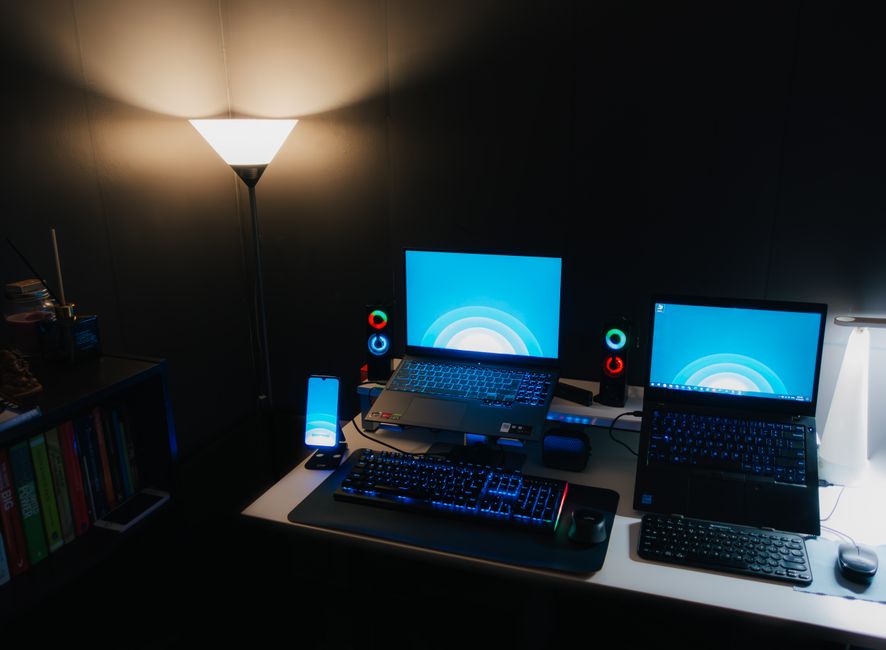
The modern interior environment is often a paradox: while we strive for aesthetic perfection, we frequently ignore the biological imperatives that dictate our physical and mental well-being. Lighting in interior design has historically been treated as a tool for visibility or atmosphere, yet emerging research confirms that light is the primary zeitgeber—or time-giver—for our internal biological clocks. By integrating bio-adaptive lighting, designers can move beyond mere illumination to support the human circadian rhythm, effectively synchronizing interior spaces with the natural hormonal cycles that govern health, mood, and productivity.
The Science of Human-Centric Lighting
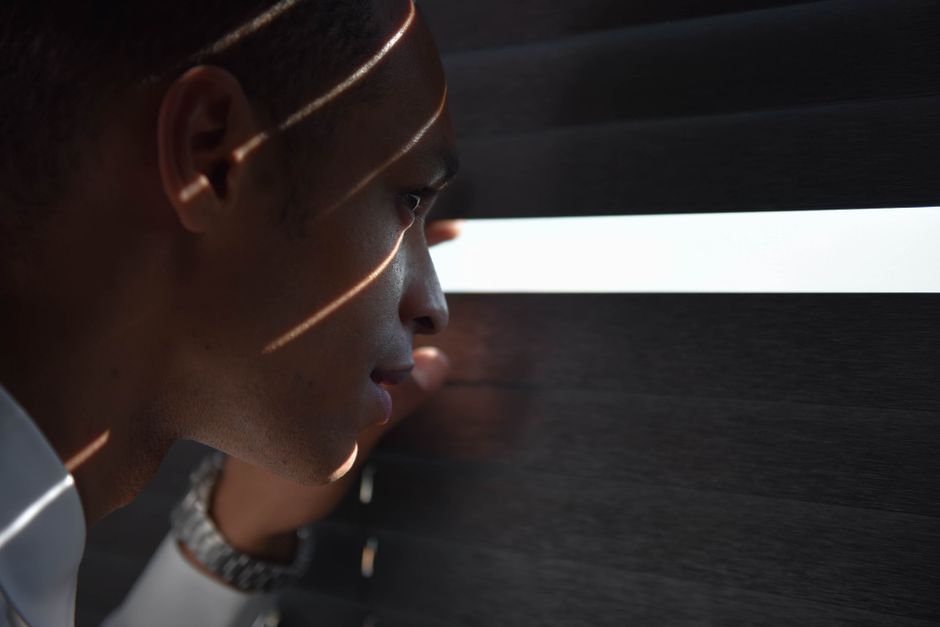
To understand the necessity of bio-adaptive systems, one must first look at the anatomy of human vision. Beyond the rods and cones that facilitate sight, the human retina contains intrinsically photosensitive retinal ganglion cells (ipRGCs). These specialized cells do not contribute to visual imagery; instead, they function as light-detecting sensors that transmit signals directly to the suprachiasmatic nucleus (SCN) in the brain. The SCN acts as the master clock for the body, regulating the production of hormones such as melatonin and cortisol.
When exposed to high-intensity, blue-enriched light in the morning, the SCN triggers the suppression of melatonin and the release of cortisol, effectively signaling the body that it is time to be alert. Conversely, as the sun sets, a reduction in blue light exposure allows the pineal gland to synthesize melatonin, the hormone responsible for sleep onset. Modern interior lighting, which often maintains a static, high-intensity cool white temperature throughout the evening, frequently disrupts this delicate hormonal balance, leading to sleep disorders, metabolic dysregulation, and mood instability.
The Principles of Bio-Adaptive Lighting Design
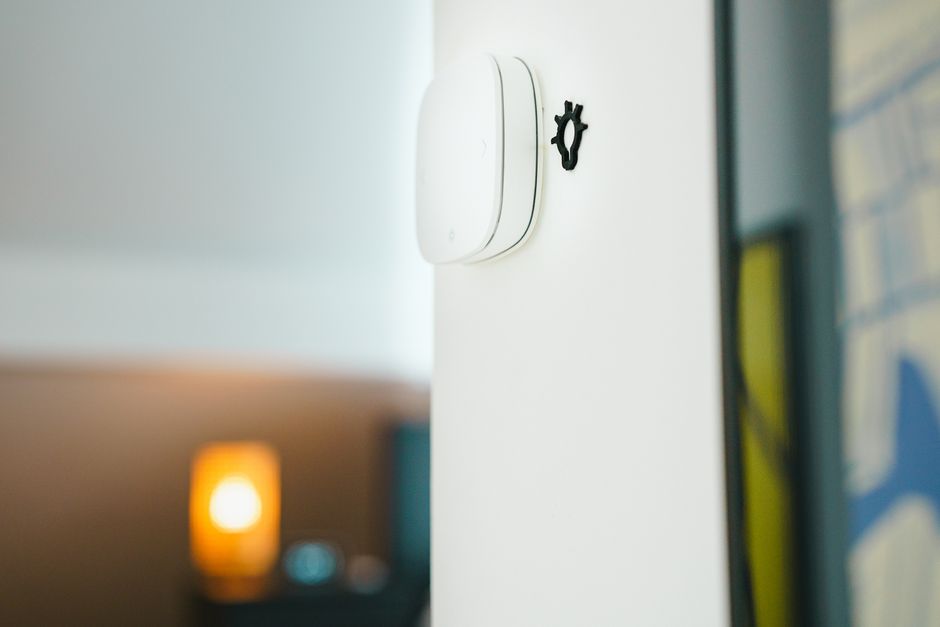
A comprehensive bio-adaptive lighting synchronizing interior design with human hormonal health review reveals that success lies in the dynamic modulation of color temperature (measured in Kelvin) and intensity (measured in lux). Bio-adaptive lighting systems adjust these parameters throughout the day to mimic the natural solar cycle, transitioning from a crisp, energizing light in the morning to a warm, amber glow in the evening.
Implementing Circadian Lighting for Home Environments
Implementing a circadian lighting system requires more than simply choosing the right light fixture. It involves a layered approach that considers the duration, intensity, and spectral distribution of light. Designers should prioritize the following strategies:
- Vertical Illumination: Because ipRGCs are more sensitive to light entering the eye from the upper visual field (the sky), lighting should focus on illuminating vertical surfaces—walls and ceilings—rather than relying solely on downlights.
- Spectral Tuning: Utilize a high-quality circadian light bulb or integrated LED system capable of shifting between 2700K (warm) and 6500K (cool). Morning settings should favor the 5000K–6500K range to boost alertness, while evening settings should drop below 3000K to support melatonin production.
- Automated Control: The human factor is often the weakest link in wellness design. Automation is essential, as manual adjustments are rarely consistent enough to maintain a true circadian rhythm.
The Role of Human Centric Lighting in Wellness
Human centric lighting is not merely a trend; it is a fundamental shift in how we perceive the role of the built environment. By prioritizing the biological needs of the human occupant, designers can create spaces that actively improve health. In a residential setting, this means that the lighting strategy in a home office during the day should be starkly different from the lighting in a bedroom or living area at night. The transition between these states should be gradual, preventing the jarring shifts that can signal to the brain that the day has not yet ended.
Comparative Analysis: Static vs. Bio-Adaptive Systems
| Feature | Static Lighting | Bio-Adaptive Lighting |
|---|---|---|
| Hormonal Impact | Often disrupts melatonin production | Synchronizes with natural hormonal cycles |
| Color Temperature | Fixed (e.g., 3000K constant) | Dynamic (2700K to 6500K) |
| User Benefit | Visual clarity only | Improved sleep quality and alertness |
| Implementation | Standard switching | Automated, sensor-based, or timed |
Frequently Asked Questions
Do circadian rhythm lights really work?
Yes, scientific evidence supports the efficacy of circadian lighting. By regulating the light spectrum and intensity to match the body’s internal clock, these systems can demonstrably improve sleep latency, enhance daytime alertness, and stabilize mood. The key is consistent exposure to the correct light at the correct time of day.
What is natural lighting in interior design?
In interior design, natural lighting refers to the use of sunlight—daylight—to illuminate a space. It involves the strategic placement of windows, skylights, and light-reflecting surfaces to bring the sun’s cycle indoors. Bio-adaptive lighting acts as a supplement to this, extending the benefits of natural light into the evening hours or into spaces with limited access to windows.
What are the psychological effects of lighting?
Lighting profoundly influences psychological states. Cool, bright light is linked to increased task performance and alertness but can cause anxiety if used at the wrong time. Warm, dim lighting is associated with relaxation, safety, and social comfort. Improper lighting, particularly high-intensity light at night, is strongly correlated with increased rates of depression and irritability.
What is light in interior design?
Light is the most critical element of interior design, as it defines the perception of color, texture, and form. Beyond aesthetics, it is the primary sensory input that dictates human biological function. In a modern context, light is viewed as a health-supportive material, similar to air quality or water, that must be carefully managed to ensure the occupant’s long-term wellness.
Conclusion
The integration of bio-adaptive lighting into residential and commercial spaces represents the next frontier in professional interior design. By viewing light as a biological necessity rather than a passive utility, designers can create environments that do more than look beautiful; they can actively foster human health and hormonal balance. As we continue to spend the majority of our lives indoors, the commitment to circadian-aligned design will become a hallmark of quality, reflecting a sophisticated understanding of the human condition. Embracing this shift toward human centric lighting ensures that our interior spaces remain in harmony with the biological rhythms that define our very existence.