
The Evolution of Modern Living: Why Modular Furniture is Essential
The modern professional landscape has shifted from rigid office environments to a fluid, location-independent reality. As the nomad demographic—professionals prioritizing mobility and autonomy—expands, our homes must evolve from simple resting places into dynamic hubs for productivity and social interaction. This lifestyle change necessitates a shift in interior design, placing modular furniture at the center of the contemporary home.
The Rise of the Nomad Aesthetic
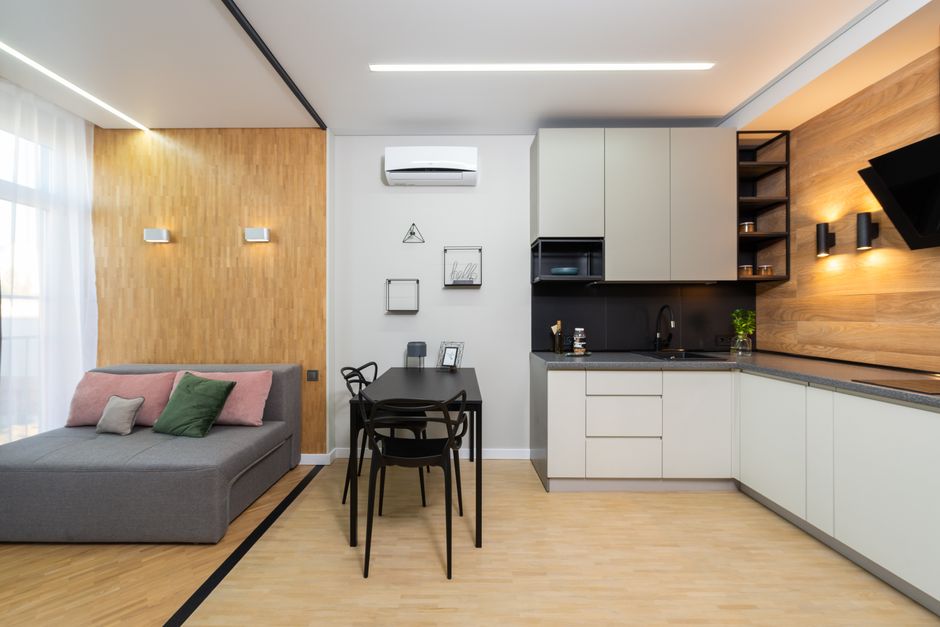
For the remote work generation, heavy, static furniture is a liability. Frequent relocation requires solutions that are lightweight, flat-pack, and multi-functional. Modular furniture provides a system of components that can be reconfigured to fit any floor plan, ensuring that no square footage is wasted.
Key Benefits for the Modern Nomad
- Adaptability: Easily transform a focused workstation into a lounge area for hosting guests.
- Space Efficiency: Perfect for urban environments where every inch counts.
- Portability: Designed for easy disassembly, making moves between cities or apartments stress-free.
Engineering Flexibility: Core Principles
Modular design empowers users by breaking down large pieces into standardized building blocks. This allows inhabitants to curate their own environments based on current needs rather than fixed layouts.
The Architecture of Reconfigurability
High-quality modular systems utilize intuitive, tool-free locking mechanisms. This allows for rapid assembly and disassembly without the need for professional help. Furthermore, these systems are designed to grow; a bookshelf unit used in a studio apartment can be expanded into a media console or room divider as your living space increases.
Material Innovation and Sustainability
Modularity supports a more sustainable lifestyle. By allowing for piece-by-piece replacement or repair, these systems combat the “fast furniture” cycle. Manufacturers are increasingly using recycled composites and lightweight alloys that offer long-term durability, turning furniture into a lasting investment.
Designing for the Hybrid Workspace
The greatest challenge for remote workers is maintaining a boundary between professional and personal life. Modular furniture offers a psychological solution through physical partitioning. By using shelving modules as room dividers, you can create a dedicated office zone that can be “closed” at the end of the day, helping to restore work-life balance.
Comparison: Traditional vs. Modular
| Feature | Traditional Furniture | Modular Furniture |
|---|---|---|
| Flexibility | Static, fixed layouts | High; adaptable to any space |
| Transportability | Heavy and bulky | Easy; flat-pack and lightweight |
| Longevity | Prone to obsolescence | Upgradable and expandable |
| Installation | Requires professional help | Tool-free, user-friendly assembly |
| Space Efficiency | Fixed, often inefficient | High; custom configurations |
Frequently Asked Questions
Can AI assist in furniture design?
Yes, AI tools like Midjourney or generative design software can create conceptual renders and optimize structural integrity. However, human designers remain crucial for ensuring ergonomic safety and real-world functionality.
What are the trends for 2026?
The future of furniture is leaning toward biophilic modularity (integrating plants and air-purifiers) and “soft geometry” (organic, rounded shapes). Expect “smart” features like integrated wireless charging and haptic controls to become standard.
What are the potential downsides?
The primary drawbacks include a higher initial investment compared to budget furniture and the risk of an overly “technical” aesthetic if the pieces are not curated carefully. Additionally, some modular systems may feel less permanent than bespoke, custom cabinetry.
Conclusion
The evolution of our living spaces reflects how we choose to work. By embracing modular design, you are investing in a flexible infrastructure that adapts to your professional journey. Whether you are moving between continents or optimizing a compact city home, modular furniture ensures your environment remains as agile as your career.