
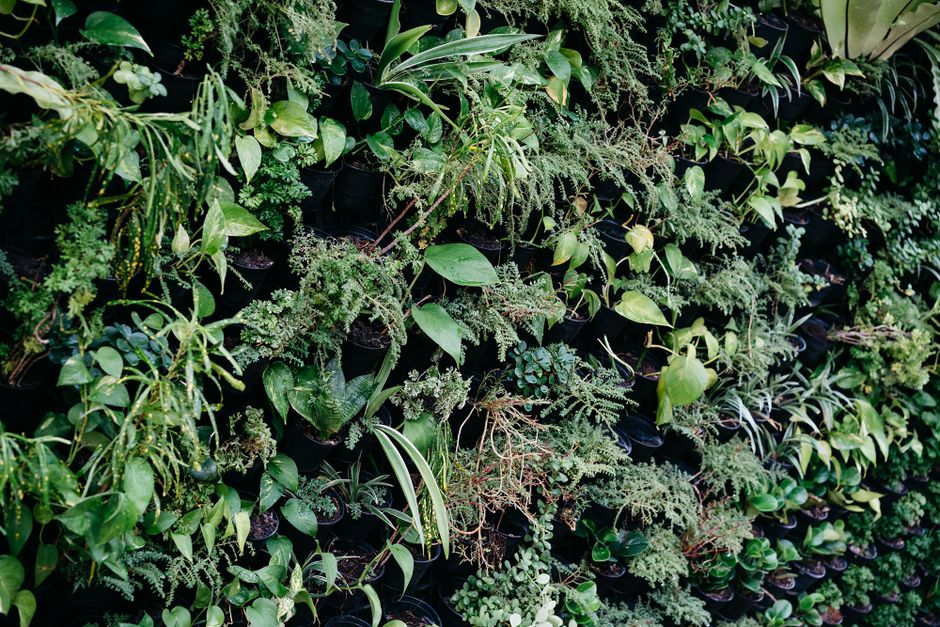
The modern culinary landscape is shifting away from industrial supply chains toward a more intimate relationship with our ingredients. For the urban dweller, the dream of farm-to-table dining has often felt restricted by square footage, yet the rise of hyper-local micro-farming kits is fundamentally changing that narrative. By utilizing the untapped real estate of apartment walls and countertops, these systems allow home cooks to cultivate a professional-grade pantry of fresh aromatics just steps away from the stove. Transforming an apartment kitchen into a vertical sanctuary is no longer a niche hobby; it is a practical, sustainable, and deeply rewarding evolution of domestic gastronomy.
The Mechanics of Apartment-Scale Vertical Systems
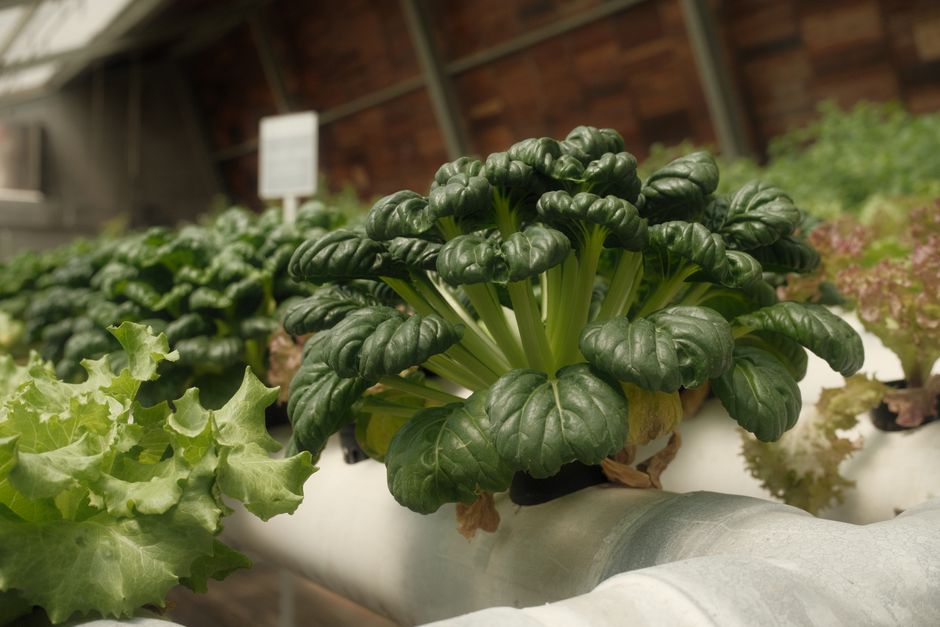
At the heart of the hyper-local movement is the transition from horizontal gardening—which requires significant floor space—to vertical configurations. Vertical farming kits utilize high-density planting techniques that maximize yield while minimizing the footprint. These systems typically employ hydroponic or aeroponic technology, allowing plants to grow in nutrient-rich water rather than traditional soil. This is particularly advantageous for the apartment chef, as it eliminates the mess of potting soil and reduces the weight load on shelving units or wall mounts.
Selecting the Right System for Your Kitchen
When selecting a kit, consider the light requirements and the specific layout of your kitchen. Most modern kits come with integrated LED grow lights, which are essential for apartment living where natural sunlight may be obstructed by neighboring buildings. Look for modular designs that allow you to scale your garden as your confidence grows. Whether you prefer a sleek wall-mounted panel or a countertop tower, the key is to prioritize systems that offer easy access to the water reservoir and nutrient ports, ensuring that your gardening routine remains a seamless part of your culinary workflow.
Cultivating a Hyper-Local Flavor Profile
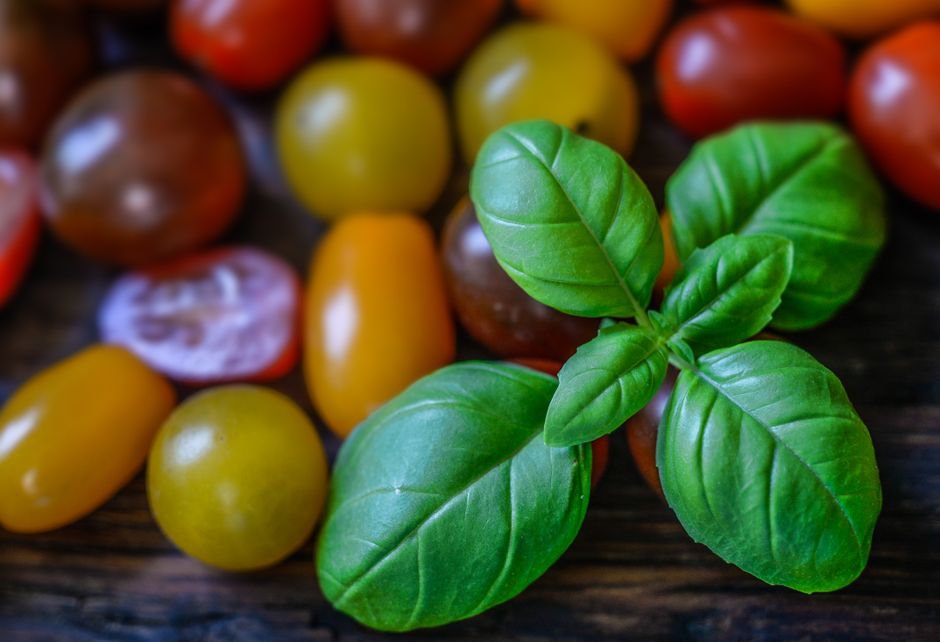
The true value of a kitchen garden lies in the intensity of flavor. When you grow your own herbs, you are bypassing the aging process of refrigerated transport. Ingredients like basil, cilantro, and mint lose their essential oils rapidly once harvested. By harvesting seconds before service, you capture the peak volatile compounds that define gourmet cooking. This hyper-local approach allows the home cook to experiment with rare or heirloom varieties that are rarely stocked in grocery stores, such as purple ruffles basil or lemon-scented thyme.
Optimizing Yield for Consistent Harvests
To maintain a constant supply, practice the art of succession planting. Instead of harvesting an entire plant at once, prune from the top to encourage lateral growth. This creates a bushier plant that produces more foliage over a longer period. Furthermore, keep a log of your harvest cycles. By staggering the planting of fast-growing crops like arugula or micro-cilantro, you ensure that you never run out of your essential kitchen staples.
The Benefits of Integrated Micro-Farming
Beyond the sensory experience, the environmental impact of hyper-local gardening is significant. By reducing reliance on commercial produce, you effectively eliminate the carbon footprint associated with long-distance food transportation and plastic packaging. Additionally, the presence of a living wall in your kitchen acts as a natural air purifier, absorbing carbon dioxide and releasing oxygen, which improves the indoor air quality of your home. It is a rare instance where aesthetic beauty, environmental responsibility, and culinary excellence align perfectly.
Comparing Common Kitchen Gardening Methods
| Method | Space Efficiency | Maintenance Level | Best For |
|---|---|---|---|
| Hydroponic Towers | High | Moderate | Leafy greens, herbs |
| Window Sill Pots | Low | Low | Single plants |
| Wall-Mounted Panels | Very High | High | Microgreens, herbs |
| Countertop Smart Kits | Medium | Very Low | Beginners |
Frequently Asked Questions
What is the biggest problem with vertical farming?
The most significant challenge in vertical farming, particularly for home setups, is the management of environmental variables. Because these systems are often indoors, they lack the natural ecosystem of outdoor gardening—such as beneficial insects and wind. This means the gardener must be diligent about monitoring nutrient levels, light duration, and humidity. If the system is not balanced correctly, it can become susceptible to pests or algae growth, which can compromise the health of the entire crop.
What herbs grow well in a vertical garden?
Most soft-stemmed herbs thrive in vertical setups. Basil, parsley, cilantro, dill, and mint are excellent choices because they grow quickly and respond well to frequent harvesting. Woody herbs like rosemary and sage can also be grown, but they generally require more light and have slower growth cycles. For the best results, group herbs with similar water and light requirements within the same vertical structure to ensure uniform growth.
Are there any profitable vertical farms?
While the term “profitable” is subjective at the home scale, many apartment dwellers find that a well-managed vertical garden pays for itself within six to twelve months. By replacing the high cost of organic, premium-quality herbs purchased at grocery stores with your own fresh yield, you effectively reduce your weekly grocery bill. On a commercial scale, vertical farming is highly profitable for producers who focus on high-margin, fast-growing crops like microgreens, which can be harvested and sold to local restaurants within weeks of planting.
What are the downsides of having a vertical garden?
The primary downsides include the initial investment cost of high-quality kits and the ongoing need for electricity to power grow lights and water pumps. Additionally, vertical gardens can be noisy if the pump system is not high-quality, and they require a commitment to regular maintenance. Neglecting to check water pH or nutrient levels can lead to a rapid decline in plant health, meaning this is not a “set it and forget it” system; it requires a consistent, albeit small, time investment.
Conclusion
Transforming your apartment kitchen with a vertical gardening kit is more than just a decor choice; it is a commitment to a higher standard of cooking. By embracing the hyper-local movement, you gain total control over the freshness and quality of your ingredients, turning every meal into a celebration of your own labor. While vertical gardening requires a learning curve and consistent attention, the rewards—unrivaled flavor, a reduced environmental impact, and the sheer joy of watching food grow in your own home—are well worth the effort. As urban spaces continue to shrink, our ability to innovate within those spaces will define the future of the home kitchen.