
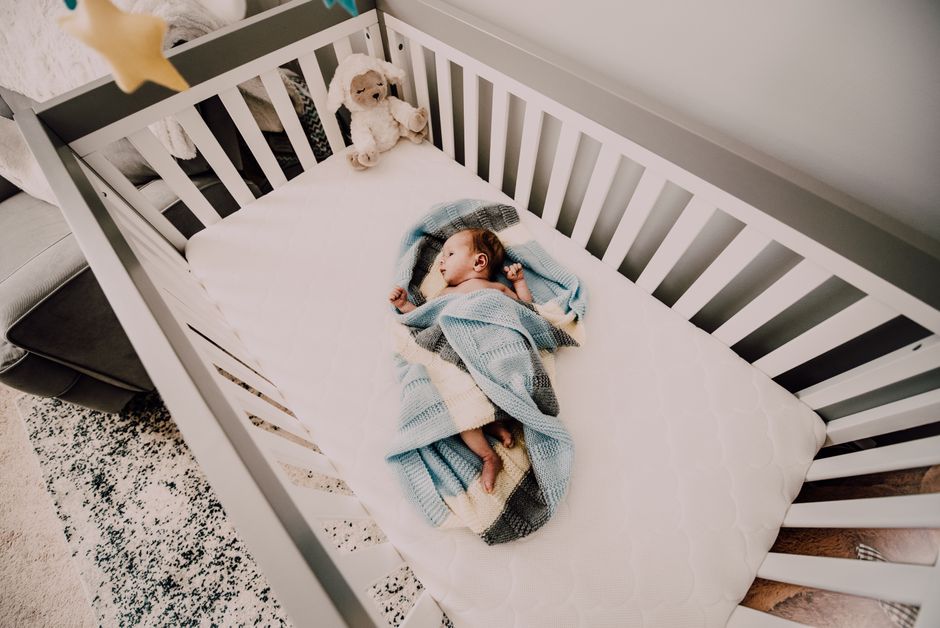
For many new parents, the quest for a restful night is often interrupted by the sudden, sharp sounds of a bustling household or the quiet anxiety of a silent home. Acoustic ecology, a field that studies the relationship between living beings and their sonic environment, offers a profound perspective on how we can curate the nursery to foster better rest. Rather than simply viewing a room as quiet or noisy, we can treat the nursery as a deliberate soundscape. By understanding the science of sound, parents can transform the nursery into a sanctuary that supports healthy baby sleep patterns and long-term development.
Understanding the Science of Sound in the Nursery

To cultivate an environment conducive to sleep, it is essential to first understand what sound is and how it affects an infant. An infant’s nervous system is highly reactive to sudden shifts in their environment. A sudden, high-amplitude acoustic stimulus, such as a door slamming or a pet barking, triggers the infant startle reflex. This reflex is an evolutionary survival mechanism, but in the context of a nursery, it frequently leads to sleep fragmentation, pulling the baby out of a deep sleep cycle and into a state of alertness.
The Role of the Soundscape
The concept of acoustic ecology emphasizes the quality of the overall soundscape rather than just the absence of sound. A perfectly silent room is actually quite rare and can sometimes be detrimental; in a quiet house, the smallest floorboard creak sounds like a thunderclap to a sensitive infant. A well-designed soundscape aims to create a consistent, low-frequency auditory blanket. This blanket acts as a buffer, smoothing out the peaks and valleys of environmental noise that would otherwise disturb the baby’s rest.
What is White Noise for Babies and Why Does It Work?
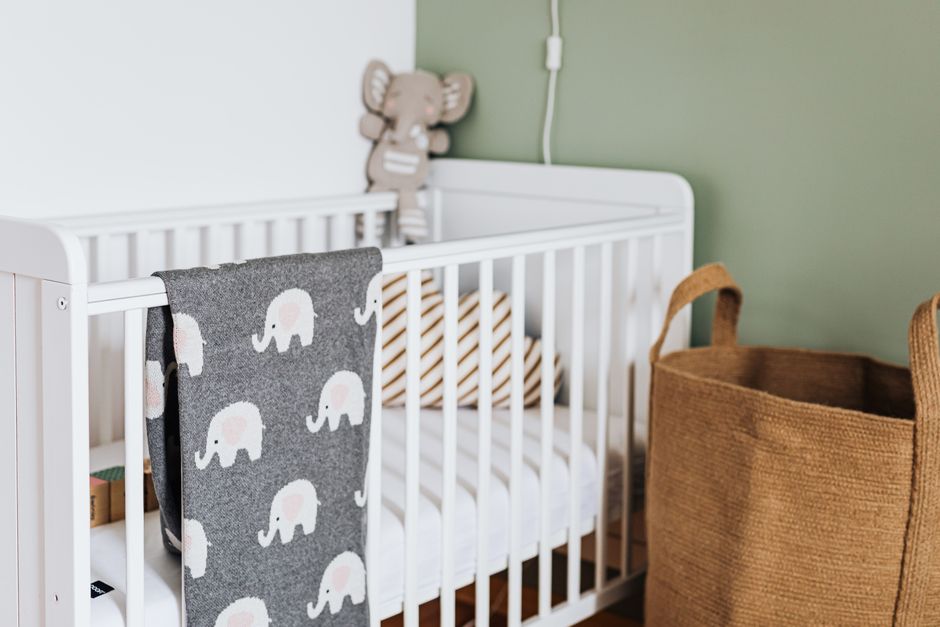
When parents ask, what is white noise for babies, the technical answer is that it is a signal containing all frequencies within the range of human hearing in equal intensity. In a practical nursery setting, it functions as a masking agent. Because it covers such a broad spectrum, it effectively reduces the contrast between the ambient background and sudden, intrusive sounds.
The white noise for baby benefits are rooted in the physics of sound. By raising the floor of the ambient noise level, the machine reduces the signal-to-noise ratio of sudden disruptions. When a dog barks or a car passes by outside, the sound must be significantly louder to break through the consistent wall of the white noise machine. This allows the infant to remain in a state of deep, restorative sleep for longer durations.
White Noise for Babies: Pros and Cons
While white noise is a staple in modern parenting, it is important to weigh the evidence to use it safely and effectively. Below is a breakdown of the considerations parents should keep in mind.
| Pros | Cons |
|---|---|
| Masks disruptive household noises | Potential for over-reliance as a sleep crutch |
| Mimics the womb environment | Risk of hearing damage if volume is too high |
| Signals a consistent sleep cue | Difficulty finding the right frequency for some babies |
Safety and Best Practices
The primary concern regarding the use of a white noise for baby machine is volume. Pediatric audiologists recommend keeping the volume at a level no louder than a soft shower, generally below 50 decibels. If you are using a white noise for babies mp3 download on a smartphone or tablet, ensure the device is placed at least seven feet away from the crib. Never place a speaker directly against the crib slats or inside the sleep space, as this can expose the infant to excessive sound pressure levels.
When to Stop Using White Noise for Baby
A common question among parents is when to stop using white noise for baby. There is no hard-and-fast rule, as white noise is not inherently harmful. Many adults continue to use sound machines throughout their lives because they find the consistency comforting. However, if you are concerned about dependency, you can begin a gradual transition once your child reaches the toddler years. This might involve slowly lowering the volume over several weeks or transitioning from white noise to other soundscapes, such as nature sounds or gentle, instrumental melodies.
Curating a Holistic Soundscape
Beyond the white noise machine, consider the acoustic properties of the nursery itself. Hard surfaces like hardwood floors, bare walls, and glass windows reflect sound, creating echoes that can make the room feel “live” and noisy. Soft furnishings—such as area rugs, heavy curtains, and upholstered chairs—act as acoustic sponges. By adding these elements, you naturally dampen the room’s reverberation, creating a softer, more intimate soundscape that feels inherently calmer.
Frequently Asked Questions
Does white noise replace the need for a quiet house?
No. White noise is a tool to manage the impact of noise, but it cannot eliminate the need for a generally calm environment. Excessive noise, even if masked, can still contribute to a chaotic atmosphere. Aim for a balance where the nursery is physically quiet, and the sound machine is used only to smooth out the inevitable irregularities of the home environment.
Are there alternatives to white noise?
Yes. Some infants respond better to pink noise, which has a slightly deeper, more balanced frequency profile that some find more natural. Others may prefer the rhythmic, low-frequency hum of a fan. The goal is to provide a consistent, non-jarring sound that helps the baby feel secure.
Can soundscapes help with daytime naps?
Absolutely. Daytime is when household activity is at its peak. Using a soundscape during naps is arguably more important than at night, as it helps the baby ignore the sounds of daily life, such as cooking, conversation, or deliveries, which could otherwise shorten their rest.
Should I leave the sound machine on all night?
Current sleep hygiene recommendations suggest that if you use a sound machine, it is best to keep it running for the entire duration of the sleep period. If the machine shuts off halfway through the night, the sudden change in the soundscape—the transition from white noise to total silence—can be enough to wake a light sleeper.
Conclusion
Mastering the acoustic ecology of your nursery is an empowering way to support your child’s sleep. By viewing sound as an integral part of the sleep environment, you can move beyond simple problem-solving and into the realm of proactive care. Whether you choose to use a white noise for baby machine or prefer to soften the room’s acoustics with textiles, the goal remains the same: to create a consistent, predictable, and comforting sonic environment. When a baby feels safe in their soundscape, they are better equipped to settle, stay asleep, and wake up refreshed. Remember that every infant is unique, so observe your baby’s cues and adjust your approach to find the perfect acoustic balance for your family.