
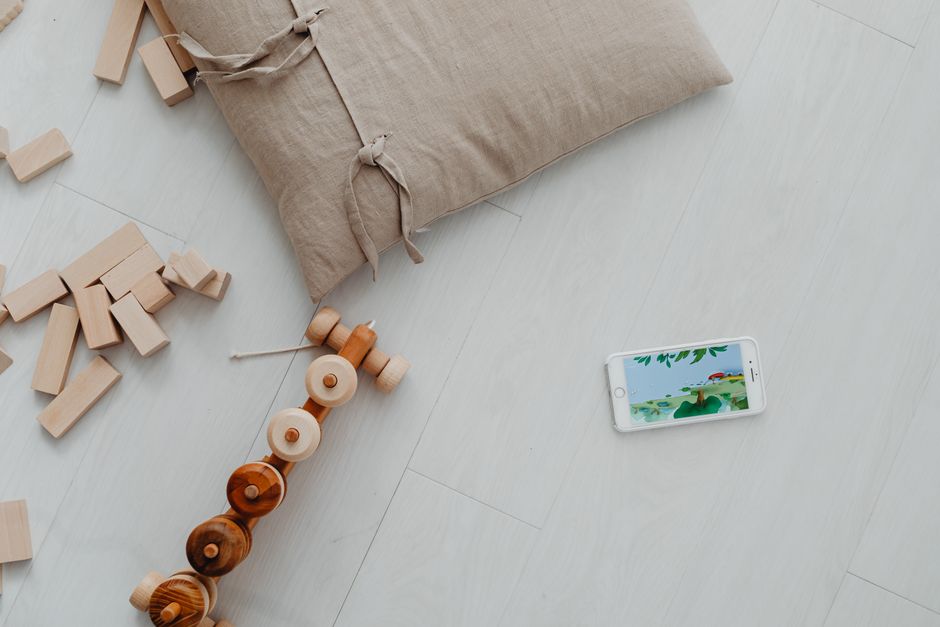
Designing a space for your newest family member is one of the most exciting milestones of pregnancy, but it also presents a unique opportunity to curate an environment that protects both your child and the planet. An eco-legacy nursery goes beyond simple aesthetics; it is about creating a sanctuary that minimizes toxic exposure, reduces waste, and prioritizes long-term health. By making intentional choices during the planning phase, you can ensure your baby nursery is a safe, sustainable haven that grows with your child while respecting the environment.
Prioritizing Air Quality and Non-Toxic Surfaces
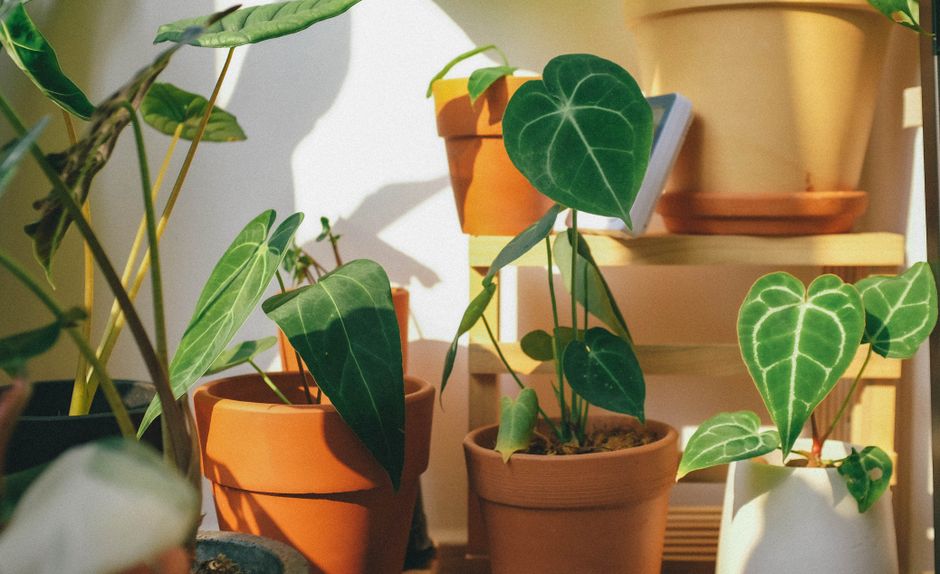
The foundation of a healthy baby nursery begins with the air your child breathes. Because infants spend a significant portion of their time sleeping, the materials used to finish the room are critical. Traditional paints, varnishes, and finishes often contain Volatile Organic Compounds (VOCs), which can off-gas chemicals into the air for months after application. To foster a truly friendly nursery, it is essential to prioritize low-VOC or zero-VOC paints and natural, water-based finishes.
Selecting Safe Paints and Finishes
When selecting paint, look for certifications that guarantee the absence of heavy metals and harsh solvents. Beyond the walls, consider the flooring. If possible, opt for natural materials like wool rugs, cork, or FSC-certified wood flooring over synthetic wall-to-wall carpeting, which can trap dust, dander, and chemical flame retardants. If you must use carpet, choose one made from natural fibers like sisal or jute, and ensure the padding underneath is free of recycled foams that may contain toxic additives.
Choosing Sustainable Furniture with Longevity in Mind
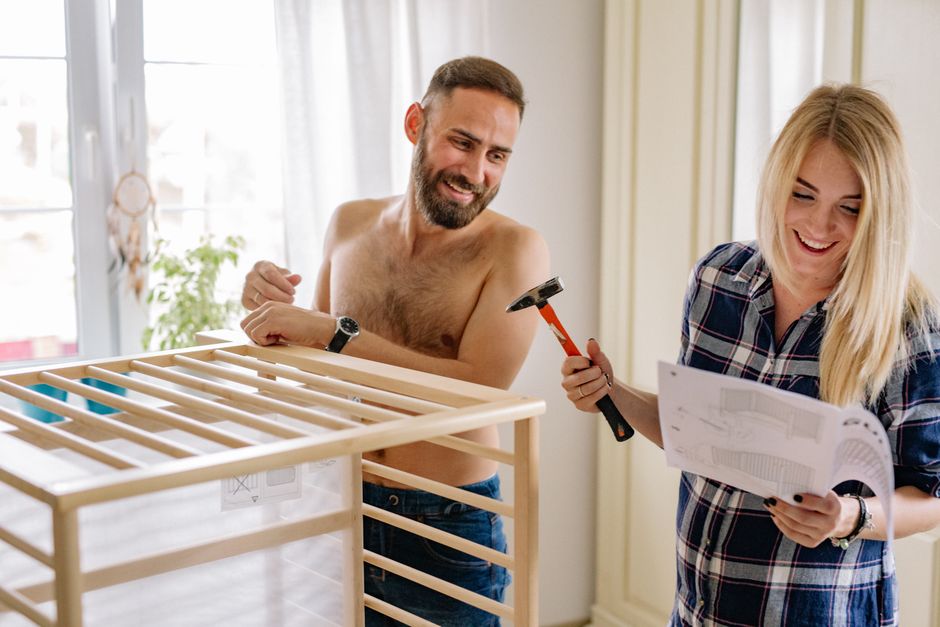
Furniture is often the largest investment in a nursery, and it is also where many hidden chemical hazards reside. Conventional nursery furniture is frequently constructed from particleboard held together with adhesives containing formaldehyde, a known carcinogen. A sustainable approach involves selecting solid wood furniture certified by the Forest Stewardship Council (FSC), which ensures the wood is harvested from responsibly managed forests.
Designing for Growth
To reduce waste, prioritize multifunctional furniture. A crib that converts into a toddler bed, or a changing table that can later serve as a bookshelf or dresser, prevents the need for future replacements. When shopping, always inquire about the glues and stains used in the manufacturing process. Natural oils or beeswax finishes are excellent, non-toxic alternatives to synthetic lacquers. By investing in high-quality, durable pieces, you create an eco-legacy that can be passed down to siblings or future generations, rather than contributing to the cycle of disposable furniture.
The Importance of Organic Textiles
Your baby spends hours in direct contact with bedding, swaddles, and clothing. Conventional cotton is one of the most chemically treated crops in the world, often involving heavy use of pesticides and synthetic fertilizers. By choosing GOTS-certified (Global Organic Textile Standard) organic cotton, wool, or bamboo textiles, you significantly reduce your infant’s exposure to these residues. These materials are not only safer for your baby but are also produced using methods that preserve soil health and water quality.
Building a Sustainable Bedding Strategy
When building your nursery, focus on a “less is more” philosophy for textiles. You do not need dozens of sheets; instead, invest in three to four high-quality, organic sets that can be rotated. This approach reduces the environmental impact of laundering and manufacturing. Look for bedding that is free from synthetic dyes and optical brighteners, which can irritate sensitive newborn skin.
| Material Type | Environmental Benefit | Health Benefit |
|---|---|---|
| GOTS Organic Cotton | Reduced water usage and no toxic pesticides | Hypoallergenic and breathable for sensitive skin |
| Natural Wool | Biodegradable and renewable resource | Naturally flame-resistant without chemical additives |
| Cork Flooring | Harvested without killing the tree | Antimicrobial and naturally resistant to mold |
Mindful Consumption and Minimalist Organizing
The most sustainable baby nursery is one that avoids over-consumption. It is easy to get caught up in the marketing of specialized baby gadgets, but many of these items are plastic-heavy and serve a purpose for only a few months. A friendly nursery focuses on essential, high-quality items rather than a collection of plastic novelties that will eventually end up in a landfill.
Curating Second-Hand Treasures
Consider the “pre-loved” market for your nursery needs. Many items, such as gliders, rockers, or solid wood dressers, are available second-hand and can be refinished using non-toxic materials. Buying used not only saves money but also extends the life cycle of a product, reducing the carbon footprint associated with manufacturing and shipping new goods. When sourcing used items, always ensure they meet current safety standards, particularly regarding crib slats and locking mechanisms for changing tables.
Frequently Asked Questions
Is it really necessary to buy everything organic for the nursery?
While it is ideal to prioritize organic for items your baby has direct skin contact with, such as crib sheets and clothing, you can focus your budget where it matters most. If you cannot afford an entirely organic room, start with the mattress and bedding, as these are the surfaces where your infant spends the most time. From there, you can gradually swap out other items as your budget allows.
How can I tell if a piece of furniture is truly sustainable?
Look for third-party certifications. Labels such as FSC (Forest Stewardship Council) for wood, GREENGUARD Gold for indoor air quality, and GOTS for textiles provide independent verification that the product meets high environmental and safety standards. If a manufacturer is vague about their materials or finishes, do not hesitate to contact them directly to ask about their adhesive and coating processes.
Are natural flame retardants safe?
Yes, many natural materials like wool are inherently flame-resistant without the need for the chemical treatments found in synthetic foams. When shopping for a mattress, look for brands that explicitly state they are free of chemical flame retardants, as these substances have been linked to potential endocrine disruption. Natural latex or wool-filled mattresses are excellent alternatives to polyurethane foam.
Conclusion
Creating an eco-legacy nursery is a meaningful way to welcome your child into the world. By focusing on indoor air quality, choosing organic materials, and prioritizing long-lasting, sustainable furniture, you are doing more than just decorating a room; you are establishing a standard of care that prioritizes your baby’s immediate health and the long-term well-being of the planet. Remember that sustainability is a journey, not a destination. Every conscious decision you make—from choosing a non-toxic paint to opting for a second-hand bookshelf—contributes to a safer, cleaner, and more intentional environment for your little one to grow, play, and thrive.