
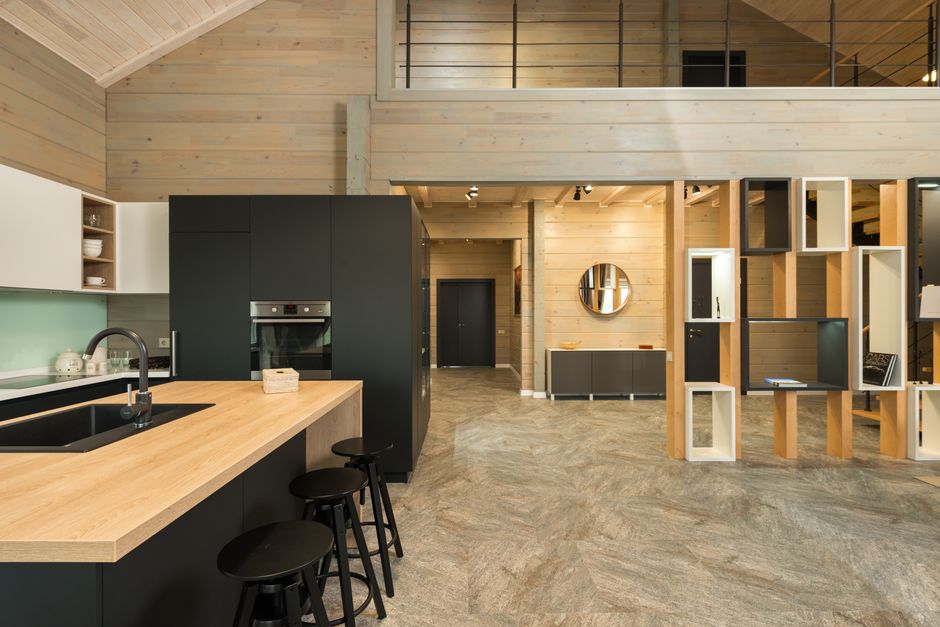
The culinary landscape of the modern urban home has undergone a radical transformation, moving away from the cluttered, high-energy kitchens of the past toward a serene, monochromatic aesthetic known as the “Dark Kitchen.” This design movement embraces the beauty of shadow, depth, and intentional restraint, offering a sophisticated alternative to the traditional all-white minimalist aesthetic. For urban dwellers living in compact environments, a dark palette does not shrink the room; rather, it blurs the edges of the space, creating a sense of infinite depth that feels both luxurious and calming. By mastering the balance of texture, lighting, and hidden functionality, homeowners can curate a modern minimalist kitchen design that serves as both a high-performance workspace and a serene sanctuary.
The Philosophy of the Dark Palette
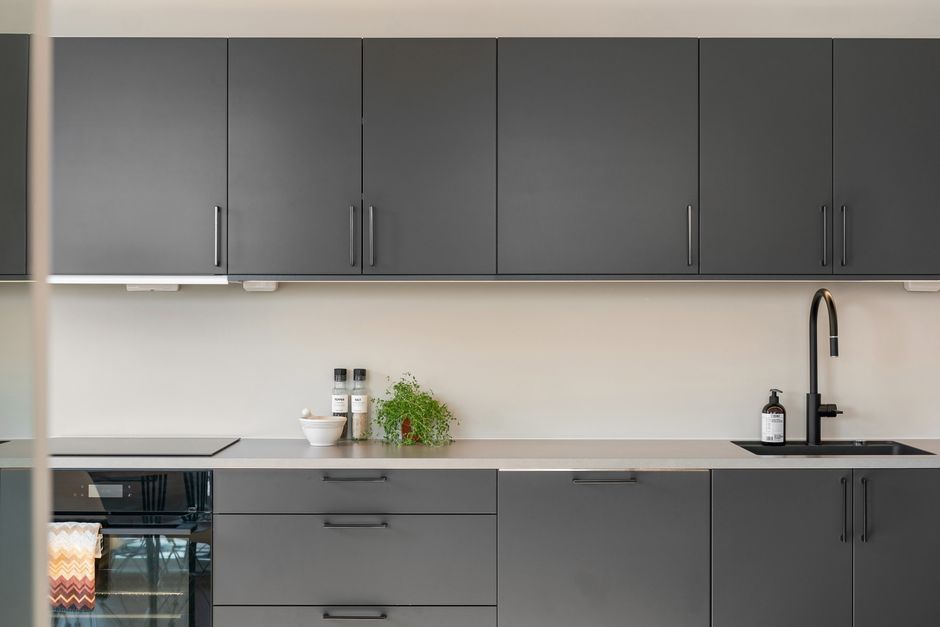
When approaching a minimalist kitchen design for small space, the instinctive reaction is often to use bright whites to “open up” the area. However, the dark kitchen philosophy argues that color depth can be far more effective in creating a seamless, sophisticated environment. By utilizing matte black, charcoal, or deep navy across cabinetry, walls, and even countertops, you eliminate the visual boundaries that make a small room feel segmented. This monochromatic approach draws the eye inward, focusing the attention on the quality of materials and the architectural lines of the room.
Texture as a Substitute for Color
In a monochromatic space, texture becomes your primary design tool. Because you are stripping away the visual noise of varied colors, the eye naturally seeks out tactile variation. To avoid a flat or sterile outcome, incorporate a mix of finishes. For instance, pair matte charcoal cabinetry with honed stone countertops or brushed metal hardware. The interplay between light-absorbing surfaces and those with subtle reflective qualities creates a sophisticated, multi-dimensional look often found in the most aspirational Minimalist Kitchen Design Pinterest boards.
Integration and Hidden Functionality
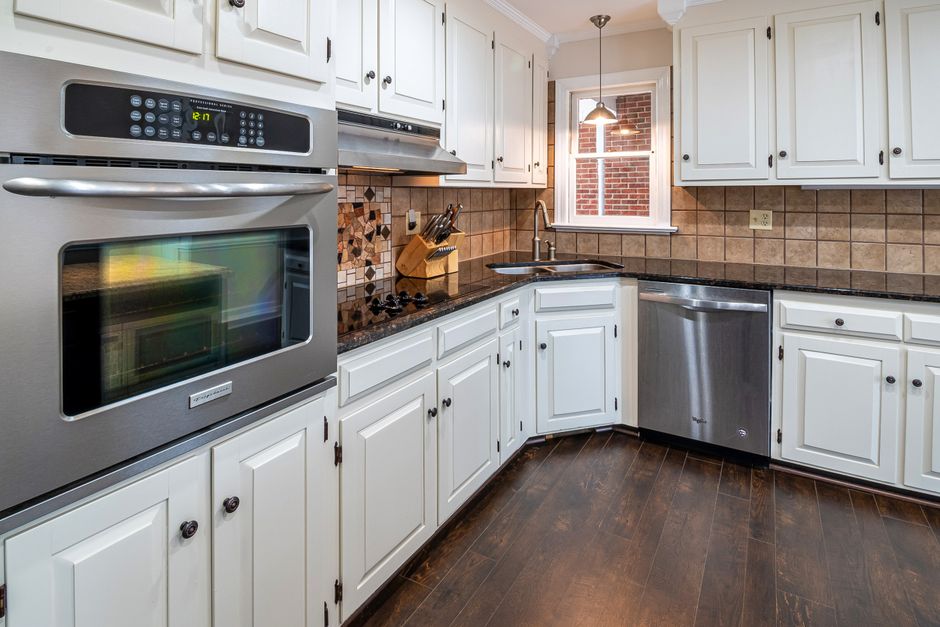
The core of any modern minimalist kitchen design is the absence of visual clutter. In urban living, where square footage is at a premium, this is achieved through aggressive integration. Every element, from the smallest utensil to the largest appliance, must have a dedicated, hidden place.
The Art of Concealed Storage
To achieve the true dark kitchen aesthetic, consider floor-to-ceiling cabinetry that mimics the look of a wall. By using push-to-open mechanisms instead of traditional handles, you create a flush, uninterrupted surface that makes a small kitchen feel like a monolithic piece of furniture. This approach is essential for maintaining the minimalist ethos; when everything is tucked behind a seamless facade, the kitchen transforms from a chaotic work zone into a clean, architectural backdrop.
Selecting Minimalist Kitchen Appliances
The selection of appliances is critical to maintaining the integrity of your design. The goal is to minimize the presence of stainless steel or plastic interfaces that disrupt the dark palette. Consider fully integrated appliances, such as dishwashers and refrigerators that accept custom cabinet panels. When visible appliances are necessary, look for sleek, handleless designs or models with matte finishes that blend seamlessly into the dark cabinetry. Investing in minimalist kitchen appliances that prioritize internal efficiency over external ornamentation ensures that your space remains functional without sacrificing its aesthetic purity.
Lighting Design for the Moody Culinary Space
In a dark kitchen, the traditional approach to lighting—a bright, overhead central fixture—is often detrimental to the desired atmosphere. Instead, the design should prioritize task-oriented, warm-toned accent lighting. This approach creates a “theatrical” environment where light is directed precisely where it is needed, highlighting the beauty of the materials rather than washing out the depth of the space.
Layered Illumination Strategies
To successfully execute this, implement a three-tiered lighting strategy. First, use under-cabinet LED strips to illuminate work surfaces, ensuring functionality without glare. Second, incorporate internal cabinet lighting that activates upon opening, providing a sense of hidden luxury. Finally, use low-profile architectural spotlights or pendant lights with a warm color temperature to define the room’s perimeter. This lighting hierarchy ensures the space feels intimate and inviting, rather than cavernous or cold.
Curating Minimalist Kitchen Items
Minimalism is not merely about the absence of objects; it is about the intentional selection of the items that remain. In an urban kitchen, every countertop object should earn its place through both utility and aesthetic contribution. When you curate your collection of minimalist kitchen items, prioritize pieces that feature clean lines and high-quality, durable materials like ceramic, matte-finished metals, or dark wood.
| Item Category | Minimalist Selection Criteria | Material Recommendation |
|---|---|---|
| Dinnerware | Stackable, neutral tones, no patterns | Matte stoneware or porcelain |
| Cookware | High-performance, uniform finish | Cast iron or matte-enamelled steel |
| Tools/Utensils | Monochromatic, ergonomic | Silicone, wood, or brushed black steel |
| Countertop Decor | Sculptural, functional | Natural stone or dark wood |
Frequently Asked Questions
Does a dark kitchen make a small space look even smaller?
Contrary to popular belief, a dark color palette can actually make a small space feel larger by obscuring corners and shadow lines. When the walls, floor, and cabinetry share a similar dark tone, the human eye struggles to perceive where one surface ends and another begins, which creates an illusion of depth and expansive, continuous space.
How do I keep a dark kitchen from feeling too cold?
The key is to introduce warmth through organic textures and lighting. Incorporate natural elements like a wooden cutting board, a stone backsplash, or a leather-wrapped handle. Additionally, using warm-toned lighting (between 2700K and 3000K) prevents the space from feeling clinical and enhances the richness of the dark finishes.
What are the best maintenance tips for matte black surfaces?
Matte black finishes, while stunning, can be prone to showing fingerprints and water spots. Opt for anti-fingerprint coated materials whenever possible. Regular maintenance involves wiping surfaces down with a soft, microfiber cloth and a mild soap solution. Avoid abrasive cleaners or scouring pads, as these can damage the matte texture and create unwanted sheen.
Conclusion
The dark kitchen aesthetic represents the pinnacle of modern minimalist design, offering an urban sanctuary that values quality, intentionality, and atmospheric depth. By embracing a monochromatic palette, integrating storage to eliminate visual noise, and carefully curating minimalist kitchen appliances and items, you can transform a compact culinary space into a sophisticated retreat. This design approach is not merely a trend; it is a refined way of living that prioritizes the experience of the space over the accumulation of objects. Whether you are seeking inspiration from a Minimalist Kitchen Design Pinterest board or designing from scratch, remember that the most successful kitchens are those that feel cohesive, functional, and deeply personal. By focusing on the interplay of light and texture, you create a kitchen that is not just a place to cook, but a centerpiece of modern, intentional living.