
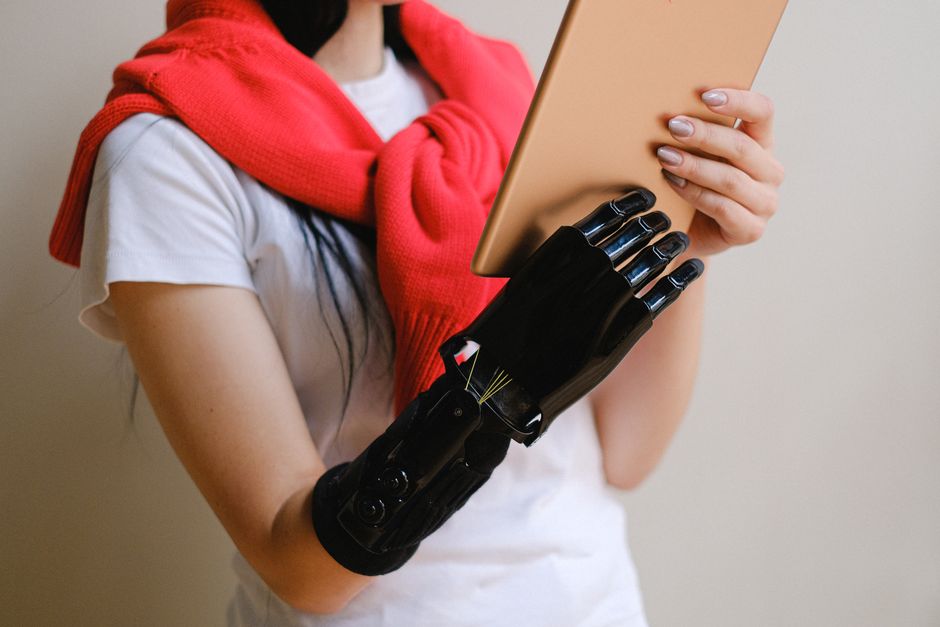
The integration of artificial intelligence into the classroom is shifting from a theoretical ambition to an operational reality, fundamentally altering the landscape of education. At the core of this transformation is the convergence of synthetic media and personalized learning. As educational institutions struggle to balance the need for scalable content with the demand for individualized instruction, synthetic media—defined as digital content generated or manipulated by AI—offers a path toward unprecedented accessibility and customization. By leveraging large language models and generative video technologies, educators can now produce high-quality, adaptive instructional materials that meet students where they are, rather than forcing them into a one-size-fits-all curriculum.
The Evolution of Personalized Learning through AI

Personalized learning is not a new concept, but its practical implementation has historically been limited by resource constraints. Achieving true personalization requires an instructor to tailor pacing, content, and delivery methods to the needs of individual students, a task that is often impossible in classrooms with high student-to-teacher ratios. The role of artificial intelligence in personalized learning research has focused on overcoming these barriers by automating the generation of instructional content. When we examine AI personalized learning examples, we see a shift away from static textbooks toward dynamic, responsive ecosystems where the content adapts based on learner performance and preference.
Recent research, including studies documented in academic repositories like Google Scholar, highlights that while human instructors provide a unique social presence, AI-generated instruction is proving to be a formidable peer in terms of objective learning outcomes. The primary benefit here is scalability. As organizations like IU University have demonstrated, the ability to rapidly update curriculum via synthetic video allows institutions to manage thousands of students while maintaining a high standard of instructional quality. This scalability is the cornerstone of the future of education, enabling a global reach that traditional production methods simply cannot match.
Synthetic Media: Bridging the Gap Between Scale and Personalization
Synthetic media refers to the use of AI to generate audio, video, and text that mimics human output. In the context of education, this means creating instructors who can speak multiple languages, explain complex concepts in various tones, and—most importantly—address students by name or reference their specific learning history. The research surrounding personalized learning through AI pedagogical approaches and critical insights suggests that the value of personalization often outweighs the preference for a human presenter.
The Trade-off: Human Presence vs. Personalized Content
A critical tension exists between the human-centric nature of teaching and the efficiency of synthetic media. Empirical studies suggest that while students often report a better experience when interacting with a human, their actual knowledge acquisition remains comparable when they interact with high-quality synthetic content. This creates a fascinating opportunity for educators: if a synthetic presenter can deliver a more personalized experience than a generic human video, the student is likely to favor the AI. However, this is tempered by what researchers call the uncanniness threshold. If the synthetic medium is poorly executed, the discomfort caused by the technology can negate the benefits of the personalization, leading to a decline in student engagement.
Pedagogical Implications and Critical Insights
As we integrate these tools, it is vital to consider the pedagogical framework. The goal is not to replace the teacher, but to augment their capabilities. By offloading the creation of foundational instructional videos to AI, educators can reclaim time to focus on mentorship, complex problem solving, and emotional support. This division of labor is essential for the long-term sustainability of modern educational models.
Designing for Effectiveness
To maximize the impact of synthetic media, institutions must move beyond simple automation. The following table outlines the key dimensions that differentiate traditional production from AI-driven workflows:
| Dimension | Traditional Production | AI-Driven Synthetic Media |
|---|---|---|
| Scalability | Low (High labor/time cost) | High (Rapid deployment) |
| Personalization | Limited (Static content) | High (Dynamic/Adaptive) |
| Update Frequency | Slow (Requires re-filming) | Instant (Text-based updates) |
| Cost Efficiency | High (Studio/Crew/Post) | Low (Cloud-based/Scalable) |
Addressing the Future: A Research-Backed Outlook
As we look toward the future, the integration of synthetic media into personalized learning will likely become standard. Accessing a synthetic media and the future of personalized education pdf or similar academic white papers reveals that the industry is moving toward hybrid models. In these models, AI handles the delivery of core content, while human educators act as curators and facilitators of the learning journey. The success of this transition depends on our ability to refine the technology to stay below the uncanny valley while increasing the depth of personalization.
Frequently Asked Questions
Does synthetic media actually improve learning outcomes?
Current research indicates that objective learning outcomes—such as test scores and concept retention—are comparable between human-recorded and AI-generated content. The primary advantage of synthetic media is that it allows for greater personalization, which can lead to higher student satisfaction and more efficient content delivery.
What is the uncanniness threshold in educational video?
The uncanniness threshold refers to the point where the artificial nature of a synthetic presenter becomes distracting enough to hinder learning. If a student is too focused on the glitches or unnatural movements of an AI avatar, they are less likely to absorb the educational material, regardless of how personalized that content may be.
How can educators start implementing synthetic media?
Educators should start by identifying repetitive content that needs frequent updates. Using synthetic video platforms to create “evergreen” modules allows instructors to update information instantly without the need for a full studio production. This saves time and ensures that the material remains relevant to the student’s current needs.
Will AI replace human teachers?
No. The goal of synthetic media is to remove the “delivery” burden from teachers. By automating the dissemination of information, educators can shift their focus toward high-value activities like personalized feedback, critical thinking exercises, and one-on-one mentorship, which are areas where AI still lacks the nuance of human experience.
Conclusion
The emergence of synthetic media is not a threat to the teaching profession but rather a powerful evolution in the delivery of knowledge. By embracing AI as a tool for scalable personalization, educational institutions can foster a more inclusive and effective learning environment. As research continues to validate the effectiveness of these tools, the focus must remain on the student experience. By balancing the efficiency of synthetic content with the irreplaceable empathy of human guidance, we can build an educational future that is truly personalized, accessible, and resilient in the face of rapid technological change.