
The “Seed-to-Bowl” movement is more than just a hobby for families; it is a transformative educational approach that bridges the gap between where our food comes from and what ends up on our dinner plates. By inviting kids to participate in the entire lifecycle of a meal—from planting a tiny seed in the soil to mixing a fresh salad in the kitchen—parents and educators can foster a profound sense of stewardship, curiosity, and health. This hands-on journey turns the backyard or a small balcony into a living laboratory, proving that the most effective way to teach sustainability is through the simple, daily act of eating.
Cultivating Curiosity: The Garden as a Classroom
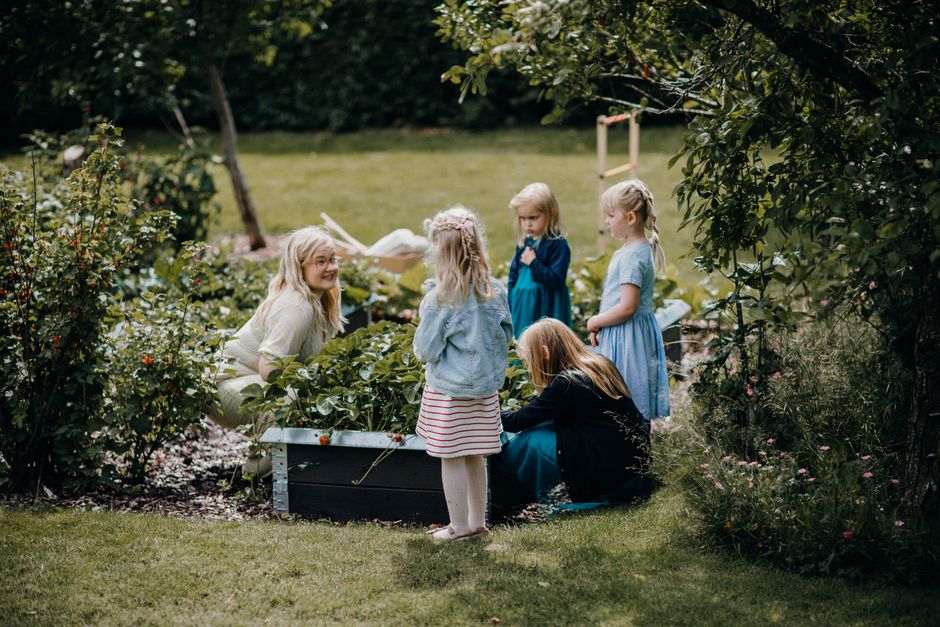
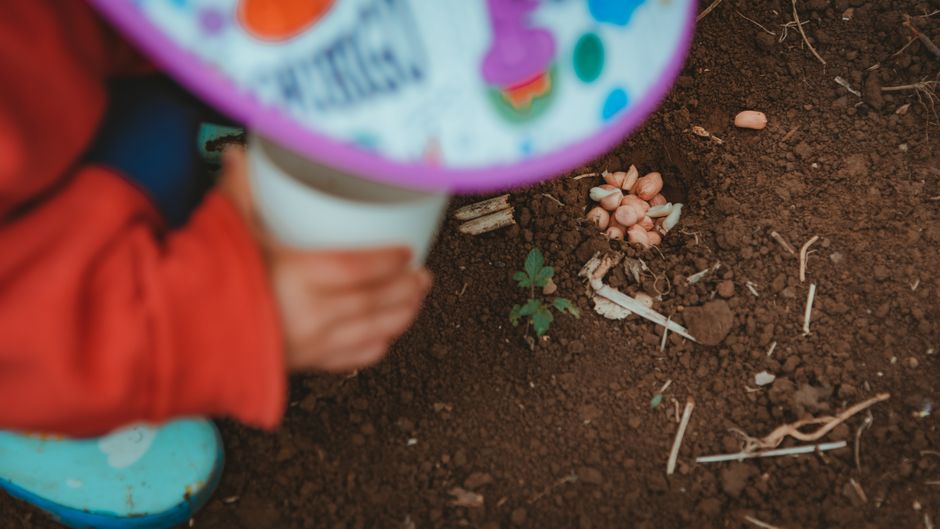
When children engage in gardening, they are doing far more than just digging in the dirt. They are learning to observe the natural world, understand biological processes, and develop the patience required to nurture a living thing. The garden serves as an outdoor classroom where abstract concepts like photosynthesis, life cycles, and ecosystems become tangible experiences. When a child carefully places a seed into the earth, they are making a commitment to the future, observing how water, sunlight, and soil collaborate to produce life.
The Magic of the Seed Table
One of the most effective ways to introduce kids to gardening is by setting up a dedicated seed table. This space should be accessible and inviting, equipped with age-appropriate tools, small pots, and various types of seeds. A seed table allows children to conduct their own experiments, such as observing the difference in growth rates between a sunflower and a radish. By providing this dedicated space, you empower kids to take ownership of their small-scale agricultural projects, making the process of planting seeds feel like a purposeful experiment rather than a chore.
From Harvest to Healthy Eating
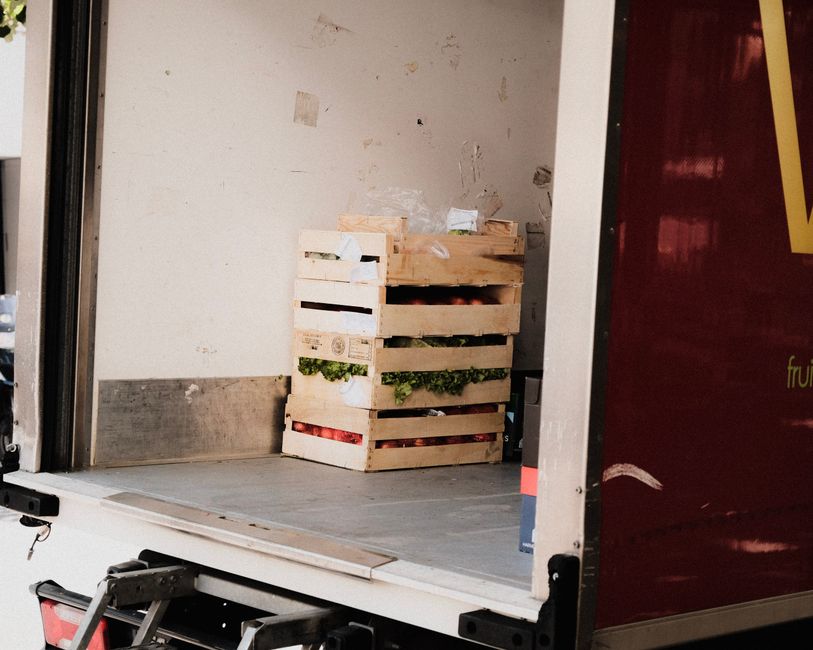
The true power of the Seed-to-Bowl movement lies in the transition from the garden to the kitchen. Research consistently shows that children are significantly more likely to try and consume vegetables if they have participated in growing them. When a child spends weeks tending to a tomato plant, they are emotionally invested in the outcome. This connection transforms a vegetable from an unfamiliar, potentially intimidating item into a prized achievement that they are eager to taste.
Developing Lifelong Culinary Skills
Cooking is the final step that brings the growing process full circle. By teaching children basic culinary techniques like chopping, mixing, and sautéing, you equip them with practical skills that will serve them for the rest of their lives. When kids prepare a garden-fresh salad themselves, they gain a sense of agency over their own nutrition. They begin to understand the difference between processed food and real, whole ingredients, gaining a conceptual understanding of health that theoretical instruction simply cannot provide.
Integrating Gardening and Cooking into Daily Life
Integrating these activities into a family routine does not require an expansive farm. Even a small windowsill garden or a few containers on a porch can provide enough produce to make a meaningful difference. The key is to make the experience experiential. Instead of lecturing about vitamins, let the child experience the sensory joy of picking fresh basil or the crunch of a carrot pulled directly from the ground. This experiential learning is the cornerstone of sustainable habits.
| Stage | Activity | Skill Learned |
|---|---|---|
| Preparation | Setting up the seed table | Organization and planning |
| Cultivation | Watering and weeding | Responsibility and patience |
| Harvesting | Picking vegetables | Observation and timing |
| Processing | Washing and chopping | Fine motor skills and safety |
| Consumption | Creating a salad | Culinary creativity and nutrition |
Frequently Asked Questions
What do kids learn from planting seeds?
Planting seeds teaches children about the complexity of life cycles and the necessity of patience. It demonstrates that growth requires specific conditions—water, sunlight, and nutrients—and that results are not instantaneous. This fosters a sense of responsibility as they learn that their consistent care directly impacts the health of the plant.
What is the 5, 4, 3, 2:1 gardening method?
This is a simplified framework used to help kids manage their garden patches. It encourages planting 5 types of greens, 4 types of root vegetables, 3 types of herbs, 2 types of edible flowers, and 1 main “star” crop like a tomato or pumpkin. This method provides structure and ensures a diverse, manageable harvest that is easy to turn into a salad or a meal.
Can you explain seeds to kids?
The best way to explain a seed is to describe it as a tiny, sleeping traveler carrying a lunchbox. Inside the seed shell is a baby plant (the embryo) and a supply of food (the endosperm) to help it grow until it can reach the sun. When the seed wakes up due to the right amount of water and warmth, it uses that energy to push roots down to anchor itself and shoots up to find the light.
What is the 3-hour gardening rule?
The 3-hour rule is a guideline for keeping gardening fun for children. It suggests that a child should not spend more than three hours of concentrated work in the garden per week, broken into smaller, manageable chunks. This prevents the activity from feeling like a chore and keeps the experience fresh, exciting, and rewarding rather than tedious.
Conclusion
The Seed-to-Bowl movement offers a practical, engaging, and deeply rewarding way to teach children about sustainability, nutrition, and the value of hard work. By connecting the act of gardening with the art of cooking, we provide kids with more than just a hobby; we provide them with a foundation for a healthy lifestyle. Whether they are carefully arranging a seed table, learning to use a kitchen knife safely, or enjoying the crisp taste of a home-grown salad, children who participate in this process develop a lifelong respect for the environment and their own health. By making the garden an experimental kitchen, we ensure that the next generation understands exactly where their food comes from and how to nourish themselves sustainably.