
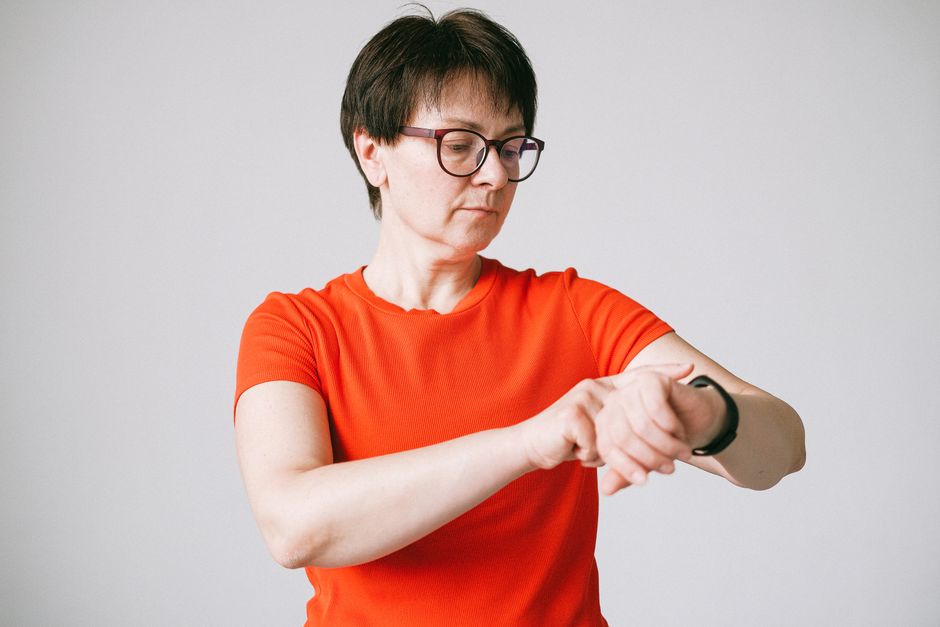
For decades, the journey through perimenopause and menopause was defined by a lack of granular data, leaving many women to navigate fluctuating hormones and unpredictable symptoms with little more than anecdotal evidence and fragmented medical advice. However, the rise of specialized femtech is fundamentally altering this narrative. We are currently witnessing significant advances in biomonitoring technologies for women’s health, moving away from generic fitness metrics toward highly specific, clinical-grade insights. As the global menopause market surges toward a multi-billion dollar valuation by 2030, the integration of women’s health wearables into daily life is empowering individuals to treat their physiological data as a roadmap for personalized care.
The Evolution of Biomonitoring in Menopause Care
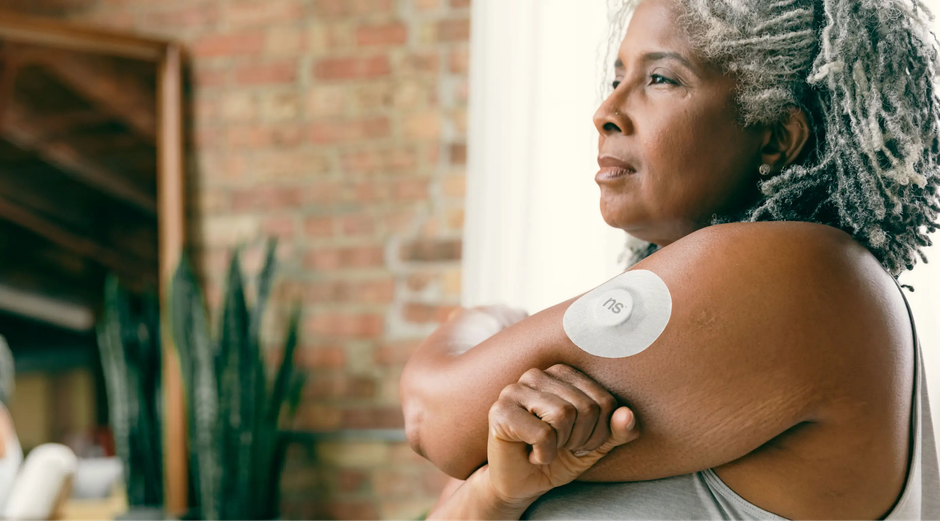
The landscape of women health is shifting from reactive treatment to proactive, data-driven management. Historically, wearables focused on step counting or heart rate variability for athletic performance. Today, the focus has pivoted toward the unique physiological markers of the menopausal transition. These devices are designed to capture the subtle, often invisible shifts in body temperature, sleep architecture, and autonomic nervous system activity that define perimenopause and menopause.
From Fitness Tracking to Clinical-Grade Insights
Modern wearables are no longer just counting calories; they are becoming essential diagnostic aids. By tracking skin temperature, electrodermal activity, and heart rate, these devices can identify the onset of vasomotor symptoms, such as hot flashes and night sweats, before they reach peak intensity. This transition to clinical-grade biometric monitoring allows for a more nuanced understanding of how lifestyle interventions—such as nutrition, exercise, and stress management—impact a woman’s specific symptom profile. By providing objective data, these tools help bridge the communication gap between patients and healthcare providers, transforming subjective feelings into actionable metrics.
Key Metrics and Technologies Driving the Frontier
To truly manage the menopausal transition, one must understand the interplay between various physiological signals. Current women’s health platforms are focusing on the following key areas of data collection:
- Vasomotor Symptom Detection: Using skin conductance sensors to detect the physiological precursors of a hot flash.
- Sleep Architecture Analysis: Monitoring sleep cycles, disturbances, and temperature fluctuations that contribute to chronic fatigue during perimenopause menopause.
- Autonomic Nervous System (ANS) Tracking: Assessing heart rate variability (HRV) as a proxy for stress resilience and hormonal instability.
- Hormonal Proxy Data: While most wearables do not measure hormones directly, they correlate biometric shifts with cycle phases or hormonal decline to provide a comprehensive health picture.
The Role of AI and Personalized Symptom Tracking
The true power of these new technologies lies in the artificial intelligence layers that process the raw data. Collecting data points is insufficient; the value is found in the synthesis of that information. By utilizing machine learning, wearable platforms can identify individual patterns. For instance, a user might discover that specific dietary triggers or high-stress environments correlate directly with increased sleep disruptions. This personalized feedback loop allows for the implementation of precision lifestyle adjustments that are far more effective than generic “one-size-fits-all” menopause advice.
| Feature | General Fitness Tracker | Menopause-Specific Wearable |
|---|---|---|
| Primary Focus | Activity and Calorie Burn | Vasomotor and Hormonal Symptom Patterns |
| Sensor Sensitivity | Standard Heart Rate/Motion | Clinical-Grade Skin Temp/Electrodermal |
| Data Context | Universal Fitness Goals | Personalized Hormonal Transition Tracking |
| Healthcare Utility | Limited/Lifestyle | High/Diagnostic Support |
Bridging the Gap: Data-Informed Medical Consultations
One of the most significant benefits of these advances in biomonitoring technologies for women’s health is the ability to present empirical evidence to a physician. Often, women struggle to articulate the severity or frequency of their symptoms during short clinical visits. By exporting reports generated by their wearables, patients can provide doctors with longitudinal data regarding their symptoms. This data-backed approach can lead to more accurate prescriptions for hormone replacement therapy (HRT) or non-hormonal alternatives, as the clinician can see exactly when and how symptoms manifest throughout the day and night.
Frequently Asked Questions
Do these wearables measure my hormone levels directly?
Currently, most consumer-grade women’s health wearables do not measure blood hormone levels like estrogen or progesterone directly. Instead, they track physiological proxies—such as skin temperature, heart rate, and sleep quality—that are deeply influenced by hormonal fluctuations. These data points provide a functional look at how your body is responding to hormonal changes rather than a chemical snapshot.
Can this data help me determine if I am in perimenopause?
Yes, perimenopause is often difficult to diagnose because symptoms are intermittent and subjective. By using a wearable to track consistent patterns of sleep disruption, temperature spikes, and mood-related biometric changes over several months, you can create a detailed record that helps your healthcare provider confirm the transition.
Are these devices secure and private?
Privacy is a paramount concern in the femtech space. It is essential to choose devices from reputable manufacturers that utilize end-to-end encryption and have clear, transparent data policies. Always review the terms of service to understand how your biometric data is stored and whether it is shared with third parties.
How does this technology improve my quality of life?
By identifying the specific triggers for your symptoms, you gain a sense of agency. Whether it is adjusting your room temperature, changing your exercise timing, or timing your medication more effectively, the data allows you to move from a state of passive suffering to active, informed management of your health.
Conclusion: The Future of Women-Centric Biomonitoring
The frontier of menopause-tech represents a vital shift in how we approach the female lifecycle. As these wearables become more sophisticated, they are effectively dismantling the “mystery” that has long surrounded the menopausal transition. By leveraging advances in biomonitoring technologies for women’s health, individuals are no longer forced to endure symptoms in silence. Instead, they are equipped with the insights necessary to advocate for themselves in the clinical setting and make data-informed decisions about their daily wellness. As the technology continues to mature, we can expect even greater integration between consumer biometrics and clinical care, ultimately leading to a future where perimenopause and menopause are managed with the precision, dignity, and scientific rigor they deserve.