

In an era defined by constant notifications and the relentless hum of the digital landscape, a quiet revolution is taking place in bedrooms and local workshops across the globe. We are witnessing a definitive shift in how the next generation spends their downtime: the rise of hybrid hobbies. This movement is not merely a rejection of technology; rather, it is a sophisticated blend of tactile, analog crafting and the analytical power of the digital world. By merging the sensory satisfaction of working with one’s hands with the data-driven insights found online, young creators are finding new ways to deepen their passions and sustain their engagement over the long term.
The Return of Analog and the Need for Connection

The recent surge in interest toward analogue things is often framed as a reaction to digital fatigue. However, the reality is more nuanced. When researchers at the University of Edinburgh asked students to search for hobby crafts near me, they discovered a 42% spike in queries for local studios between 2022 and 2024. This data suggests that the return of analog is not just about the items themselves, but about the desire for place-based creativity. While the internet provides endless tutorials, it lacks the tactile feedback and social synergy of a physical environment.
This trend highlights a critical insight: analog hobbies are most effective when they are paired with a community. According to the Creative Living 2026 report, teens who rely exclusively on at-home craft kits report 35% less belonging than those who participate in studio sessions. The isolation of a bedroom desk can be stifling, but when that solitary practice is paired with a monthly visit to a local workshop, engagement metrics soar. In fact, participants who combined home-based kits with studio visits reported a 47% rise in sustained engagement over a six-month period. This hybrid model acts as a bridge, allowing teens to experiment in private while gaining the technical mastery and social validation that only a shared space can provide.
Data-Driven Crafting: Beyond Low Effort Hobbies
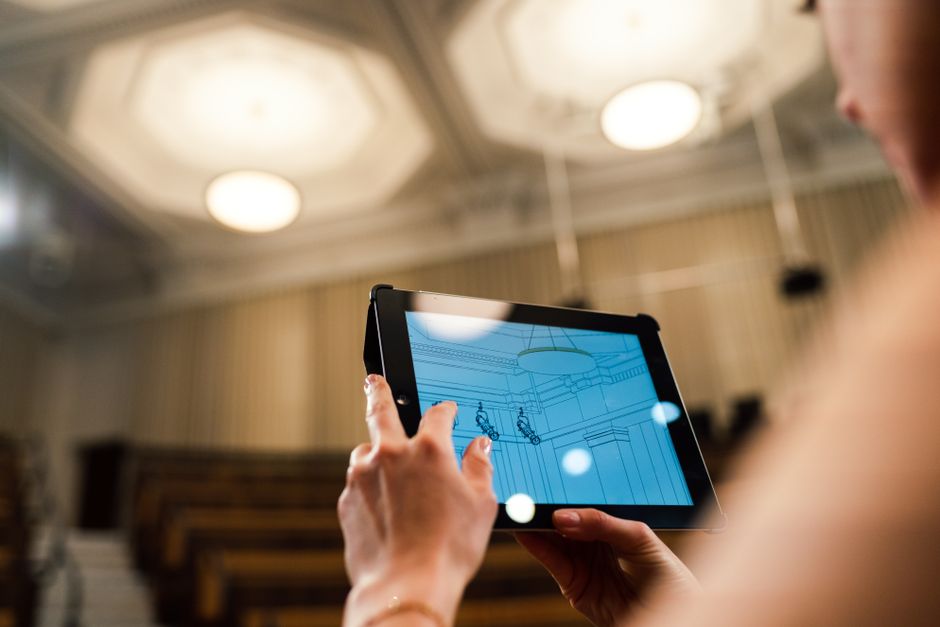
Many low effort hobbies are often dismissed as fleeting trends, but today’s youth are approaching their interests with a level of rigor that mirrors professional development. The modern crafter is just as likely to track their progress in a spreadsheet as they are to use a needle or a chisel. By applying digital analytics to their repetitive hobbies, teens can measure their improvement in real-time, turning a leisure activity into a measurable skill set.
From Feathers to Flames: Measuring Technical Growth
The transition from home-based experimentation to professional-grade tools is where the most significant gains in skill occur. For instance, in fields like metalwork or advanced woodworking, the difference between a hobbyist and a craftsperson often lies in the equipment. Alumni who transitioned from home-based blade drills to professional forge equipment reported a 21% improvement in technical metrics, such as tensile strength. This level of growth is rarely accidental; it is the result of using digital data to analyze project failures, research material properties, and optimize the crafting process.
The Hybrid Model: A New Framework for Creativity
The hybrid hobbies how teens are blending analog crafting with digital analytics model is fundamentally changing the way we think about skill acquisition. It is no longer enough to simply watch a video; today’s creators are using technology to optimize the analog experience. This creates a feedback loop where the digital world informs the physical, and the physical provides the sensory relief that the digital world lacks.
| Model | Primary Focus | Social Aspect | Engagement Sustainability |
|---|---|---|---|
| Purely Digital | Screen-based content | Virtual communities | Low (High burnout risk) |
| Purely Analog (Home) | Tactile experimentation | Isolated | Moderate (High isolation risk) |
| Hybrid Model | Tactile + Analytical | In-person workshops | High (Optimized progress) |
Bridging the Gap: How to Start Your Hybrid Journey
To successfully navigate the world of analog hobbies, you need to find the right balance between introspection and community. Start by identifying an activity that offers a clear physical output, such as knitting, pottery, or metalwork. Once you have selected your craft, use digital tools to document your progress. Keep a log of your successes and failures, research new techniques on forums, and look for local groups to share your physical work. This combination ensures that your activities remain both personally fulfilling and technically challenging.
Why do teens prefer hybrid hobbies over purely digital ones?
Hybrid hobbies offer a unique combination of sensory satisfaction and cognitive challenge. While digital activities are often passive, analog crafting provides a tactile experience that grounds the individual. When you add the analytical component—tracking progress or studying technique—it provides a sense of agency and achievement that screen time often fails to deliver.
Are analog hobbies more expensive to maintain?
While the initial investment in materials for analog activities can be higher than digital alternatives, the long-term value is significant. By using a hybrid model, you don’t need to buy every professional tool immediately. You can start with basic home kits and utilize local studios to access high-end equipment, which effectively lowers the barrier to entry while maximizing the quality of your output.
How does digital analytics improve a physical hobby?
Digital analytics allows you to move beyond trial and error. By tracking metrics like time spent, material usage, or even structural integrity, you can identify patterns in your work. This allows for faster iterations and more focused improvement, turning a casual hobby into a craft that you can genuinely master over time.
Conclusion: The Future of Crafting
The integration of analog processes with digital intelligence is more than just a passing phase; it is a sustainable way for the next generation to navigate an increasingly complex world. By embracing hybrid hobbies, teens are reclaiming the value of physical labor while leveraging the precision of the digital age. Whether it is through the rise of analogue appreciation or the structured approach to repetitive hobbies, the path forward is clear: the most successful creators of the future will be those who know how to build with their hands and analyze with their minds. By fostering these hybrid spaces, we are not just teaching new skills; we are cultivating a generation that values both the process of creation and the data behind their growth.