

The modern workspace has undergone a radical transformation, shifting from corporate cubicles to the heart of our personal lives. As we spend more time working remotely, the static desk setup has become obsolete. Enter bio-adaptive interiors—a revolutionary approach to home office design that moves beyond mere aesthetics. By leveraging environmental psychology and smart technology, bio-adaptive design creates spaces that actively respond to your physiological needs, shifting light, sound, and climate to align with your emotional state and circadian rhythms.
The Science of Bio-Adaptive Workspaces
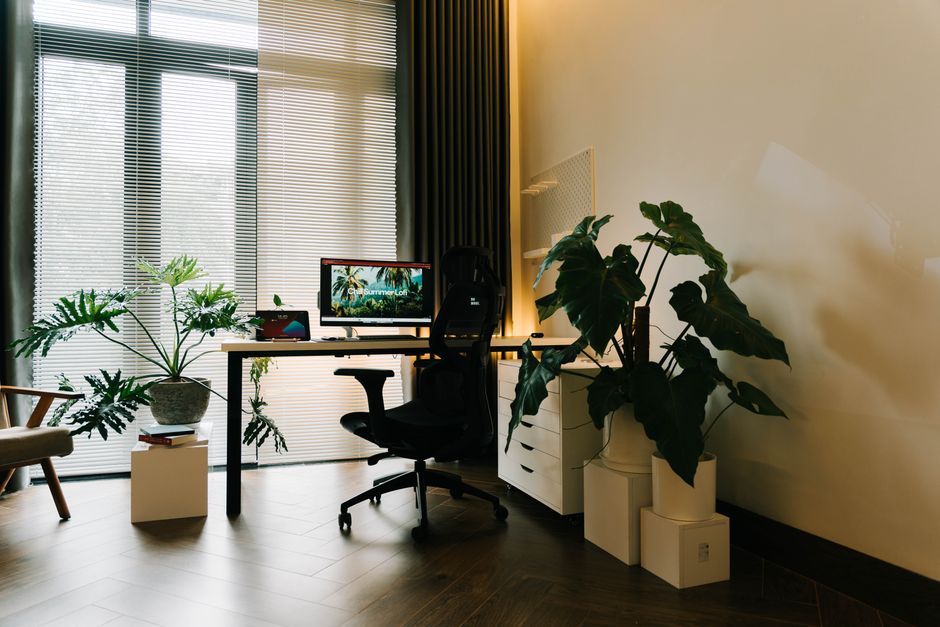
At its core, bio-adaptive design is rooted in the understanding that our environment dictates our internal chemistry. Research indicates that sensory inputs such as natural light, ambient sound, and thermal comfort are not just matters of preference; they are biological requirements. When an office environment remains stagnant, it can lead to cognitive fatigue and mood dips. Bio-adaptive interiors utilize sensory inputs to influence human circadian rhythms, effectively signaling to the body when it is time to focus, reflect, or recharge.
The integration of smart sensors is the bridge between a traditional home office and an adaptive one. By deploying sensors that monitor real-time biometric feedback—such as heart rate variability or skin temperature—the room can automatically adjust environmental parameters. If the system detects signs of stress, it might subtly shift the color temperature of the overhead lighting to a warmer hue or introduce soft, low-frequency white noise to dampen external distractions.
Modern Home Office Design for Every Square Foot
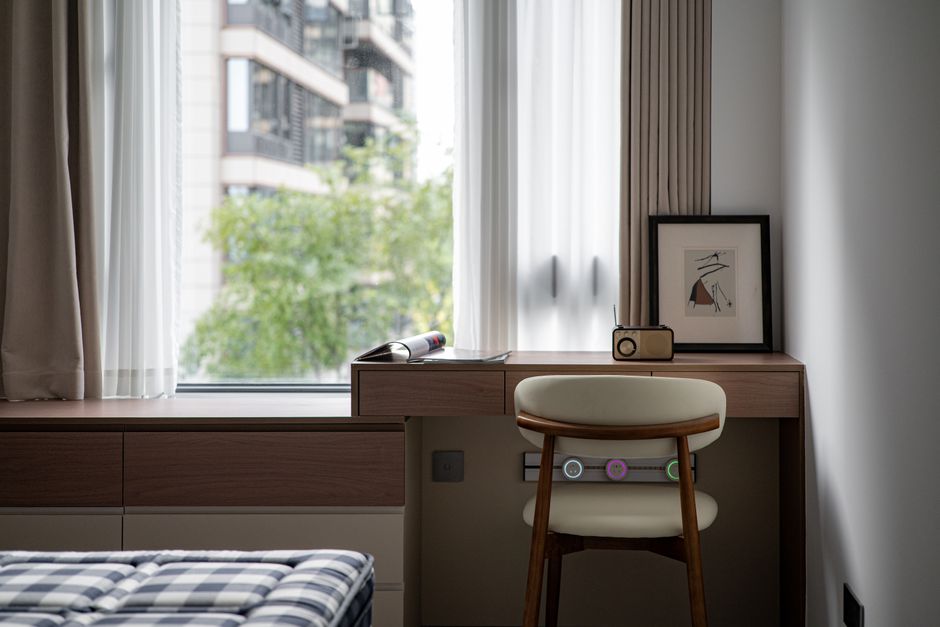
Achieving a high-functioning, adaptive environment does not require a sprawling mansion. Many modern home office design principles are tailored to maximize utility in compact footprints. The challenge lies in balancing technology with comfort. Whether you are browsing Home Office Ideas Pinterest boards or sketching your own layout, the priority should be the layering of sensory experiences.
Modern Office Design Ideas for Small Spaces
When square footage is limited, verticality and transparency become your best tools. Use wall-mounted smart lighting systems that mimic daylight patterns without taking up desk space. Consider furniture with integrated thermal control, such as chairs with heating or cooling elements, which provide personalized climate control without requiring you to adjust the temperature of the entire home.
Creative Office Design Ideas for Wellbeing
Creativity is often stifled by a rigid environment. To foster a dynamic flow, incorporate biophilic elements that respond to your presence. Smart indoor garden systems, which monitor soil moisture and light exposure, can act as natural air purifiers. These living elements provide a necessary visual break from digital screens, helping to regulate cortisol levels throughout the workday.
Key Environmental Levers for Mood Modulation
To truly master the adaptive workspace, one must understand the three primary pillars of environmental modulation. These elements act as the foundation for any home office idea aimed at boosting productivity and mental clarity.
| Element | Adaptive Function | Target Outcome |
|---|---|---|
| Circadian Lighting | Shifts from cool blue (morning) to warm amber (evening). | Regulates sleep-wake cycles and focus. |
| Acoustic Zoning | Active noise cancellation via wall panels or smart speakers. | Reduces cognitive load from background noise. |
| Thermal Comfort | Automated ventilation or localized heating/cooling. | Maintains optimal physical comfort for sustained work. |
The Role of Lighting in Emotional Regulation
Lighting is perhaps the most powerful tool in the bio-adaptive arsenal. In the morning, high-intensity, cool-spectrum light suppresses melatonin and promotes alertness. As the afternoon wanes, the design should transition to softer, warmer light to reduce eye strain and prepare the mind for lower-intensity tasks. This mimicry of the sun’s natural arc prevents the mid-afternoon energy crash that plagues many remote workers.
Acoustics as a Productivity Driver
Soundscapes play a vital role in our ability to enter a flow state. Bio-adaptive interiors often feature smart acoustic dampening. This might involve sound-absorbing textiles that change configuration or smart audio systems that generate “pink noise”—a sound frequency that is less distracting than white noise and has been shown to improve deep sleep and memory retention in some contexts.
Implementing Smart Technology in Your Workflow
Transitioning to a bio-adaptive space does not require a complete renovation. Start by auditing your current setup. Many home office ideas for small spaces are easily upgraded with IoT-enabled devices. Smart plugs can automate your lighting schedule, while desk-mounted sensors can track how long you have been seated, prompting you to move or change your posture. The goal is to create a feedback loop where the office serves your needs rather than the other way around.
Frequently Asked Questions
How do I start building a bio-adaptive office on a budget?
Begin with lighting. Replace your standard bulbs with smart bulbs that allow for scheduling and color temperature adjustments. This is the most cost-effective way to influence your circadian rhythm. You can then incorporate low-cost biophilic elements, such as low-maintenance air-purifying plants, which add immediate visual and psychological value.
Can bio-adaptive design help with remote work burnout?
Yes. Burnout is often exacerbated by a lack of boundaries and a stagnant environment. By using light and sound to “close” the workday—for example, shifting the lighting to a warm, relaxing glow at 5:00 PM—you create a physical and psychological transition that signals to your brain that the professional day has ended, facilitating better recovery.
What are the most important features for a small home office?
In a small space, prioritize multi-functionality and ergonomics. A high-quality chair with adjustable lumbar support is non-negotiable. Combine this with vertical storage to keep your desk clear, as a cluttered space creates visual noise that can negatively impact mood and focus.
Conclusion
The future of work is not just about where we perform our tasks, but how our environments support our humanity. By embracing bio-adaptive design, you move away from the static, unyielding workstations of the past and toward a home environment that functions as a partner in your professional success. Whether you are implementing modern office design ideas for small spaces or curating a larger, more complex setup, the focus remains the same: align your surroundings with your biological needs. As technology continues to evolve, the ability for our homes to sense, adapt, and respond to our moods will become the defining characteristic of the most successful and sustainable workspaces.