
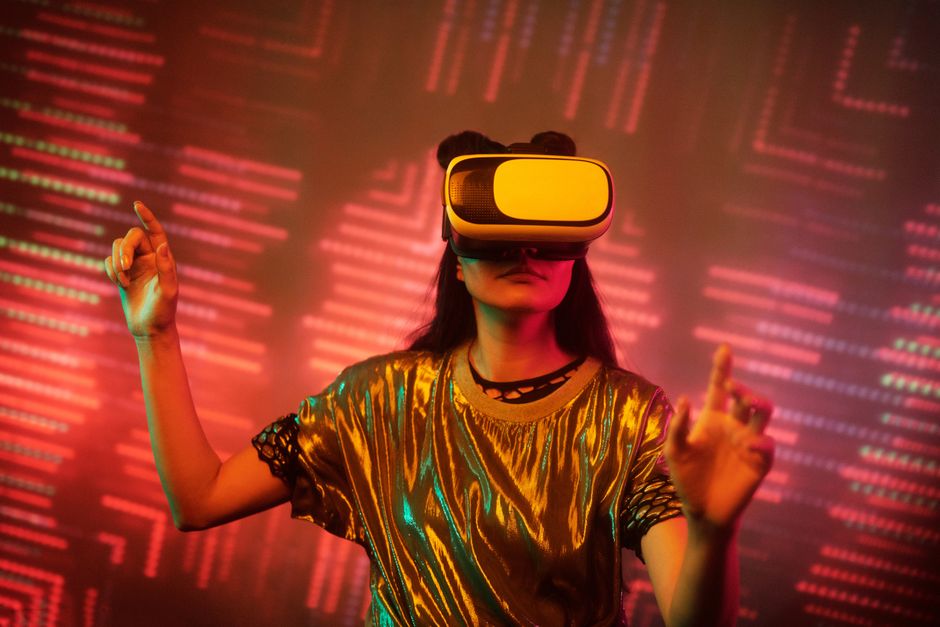
The Rise of Digital Fashion: Redefining Identity in the Virtual Age
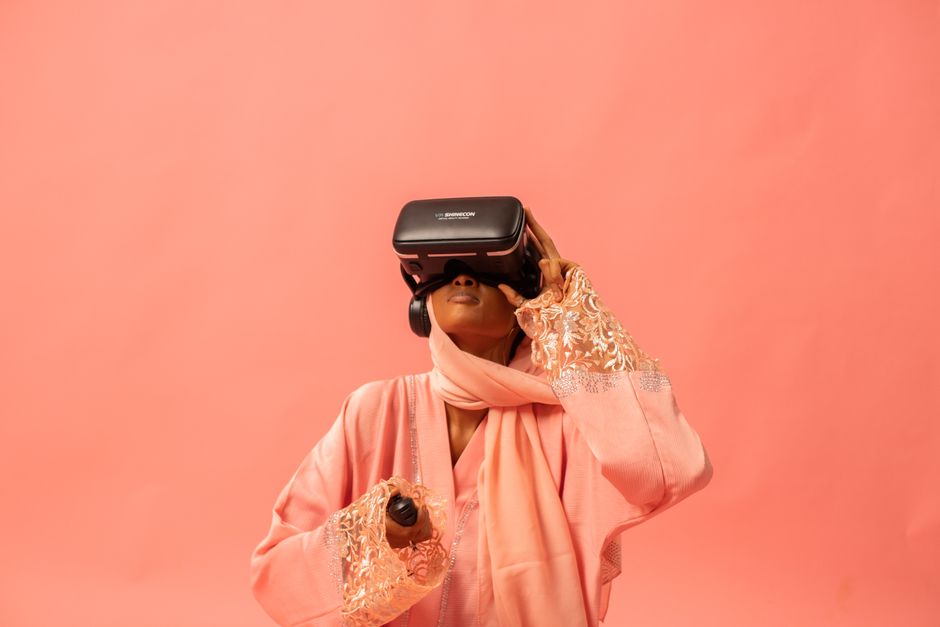
The boundary between our physical presence and our online persona has become increasingly porous. As we spend more time navigating virtual spaces—from professional networking platforms to immersive gaming environments—the way we present ourselves has shifted from fabric and thread to pixels and code. This transition has birthed [the rise of](https://t10family.com/en/the-rise-of-gender-neutral-grooming-a-new-era-of-beauty/) digital fashion, a movement fundamentally changing personal branding by allowing individuals to curate a meta-wardrobe. This technology enables us to express identity, status, and creativity without the constraints of physical supply chains or the limitations of gravity.
The Evolution of the Meta-Wardrobe
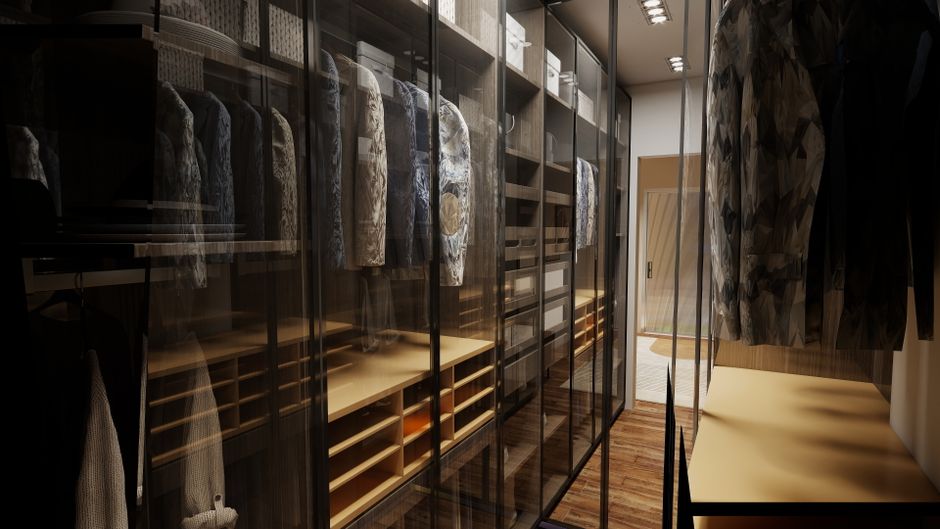
A meta-wardrobe is a curated repository of virtual identity. Unlike a physical closet, which is governed by space, budget, and material durability, a meta-wardrobe is defined by infinite scalability and creative audacity. It allows users to inhabit versions of themselves that are impossible in the physical world, featuring garments that glow, shift color, or defy physics.
Designing for the Digital Realm
Virtual fashion is created using advanced 3D software, allowing designers to focus entirely on visual impact. Because there is no need for pattern cutting, fabric sourcing, or shipping, the creative process is liberated from traditional industry constraints. Designers can now experiment with complex textures, such as liquid metal or translucent light, creating a visual language that resonates in digital spaces where human interaction is mediated by a screen.
The Impact on Personal Branding
In the age of social media, your digital footprint is your reputation. Virtual fashion has become a critical tool for influencers, creators, and professionals to differentiate their personal brand. By integrating virtual clothing into their online presence, individuals can maintain a constant state of stylistic evolution. This practice allows for a form of sustainable vanity: you can showcase an extravagant new look every day without contributing to the environmental cost of fast fashion production.
Status and Exclusivity in the Metaverse
Luxury brands are leveraging digital-only collections to tap into a market of consumers who value rarity. Owning a piece of virtual apparel from a high-end designer signals belonging to an elite group. These digital assets, often secured via blockchain, provide verifiable proof of ownership, creating a sense of digital scarcity that mirrors the traditional luxury market.
Comparison: Physical vs. Digital Fashion
| Feature | Physical Fashion | Digital Fashion |
|---|---|---|
| Production | Manufacturing, Shipping, Waste | 3D Design, Zero Waste |
| Accessibility | Limited by geography and stock | Global, instant, and scalable |
| Utility | Functional and protective | Identity, social signaling, expression |
| Lifespan | Deteriorates over time | Permanent, digital asset |
Sustainability and the Future
One of the most compelling arguments for digital fashion is its potential for sustainability. The global fashion industry is a significant contributor to waste and carbon emissions. By shifting focus toward virtual apparel, the industry can explore new revenue models that do not rely on the continuous extraction of raw materials or the creation of physical inventory that ends up in landfills.
As we look toward a future where our digital lives are as significant as our physical ones, the integration of meta-wardrobes will likely become standard. We are already seeing the emergence of cross-platform wearability, where an asset purchased in one virtual world can be imported into another, solidifying virtual clothing as a legitimate asset class.
Frequently Asked Questions
What is the primary purpose of digital fashion?
Digital fashion is used to enhance online identity and personal branding. It allows individuals to dress avatars for social interactions, create unique content for social media, and collect virtual assets that demonstrate status and creative taste.
How does digital fashion affect the fashion industry?
It allows brands to bypass traditional supply chain constraints, reducing waste and inventory costs. It also opens new revenue streams through digital-only drops, allowing fashion houses to engage with younger, tech-native demographics.
Can anyone wear digital fashion?
Yes. Many pieces are accessible via mobile apps that use augmented reality (AR) to overlay clothing onto a user’s camera feed, while others are restricted to specific metaverse platforms or gaming environments.
Conclusion
The shift toward digital fashion represents a fundamental change in how we conceive of clothing. By moving beyond the physical, we are entering an era where our wardrobes are limited only by our imaginations. Whether for the sake of sustainability, creative freedom, or the pursuit of digital status, the meta-wardrobe is redefining the relationship between the clothes we wear and the people we choose to be online.