

The global apparel landscape is undergoing a radical transformation as the traditional take-make-waste model faces intense scrutiny. For decades, the industry relied on linear production, but a new paradigm is emerging: [the rise of](https://t10family.com/en/the-rise-of-gender-neutral-grooming-a-new-era-of-beauty/) upcycled fashion. This shift is not merely a passing aesthetic preference; it represents a fundamental move towards a fashion circular economy, where the value of garments is preserved, waste is designed out of the system, and raw materials are kept in constant use. As consumers become increasingly conscious of their ecological footprint, circular fashion brands are leading the charge, proving that style and environmental stewardship are not mutually exclusive.
Defining the Circular Shift

To understand the current movement, we must first clarify the circular fashion meaning. Unlike the linear model, where clothing is produced, worn, and discarded, a circular system is restorative and regenerative by design. It focuses on keeping products and materials in use for as long as possible through strategies like repair, resale, remanufacture, and recycling. The goal is to move towards circular fashion management strategies promoting circular behaviour along the value chain, ensuring that every stakeholder—from raw material suppliers to the end consumer—contributes to reducing the overall environmental impact.
The Ellen MacArthur Foundation fast fashion critique has been instrumental in highlighting the systemic flaws of the current industry. By advocating for a transition away from the rapid production cycles that define modern retail, the foundation has provided a framework for businesses to rethink their operational models. When we look at sustainability in fashion industry PDF reports and white papers, the consensus is clear: the industry must decouple growth from the consumption of finite resources.
The Evolution of Upcycling
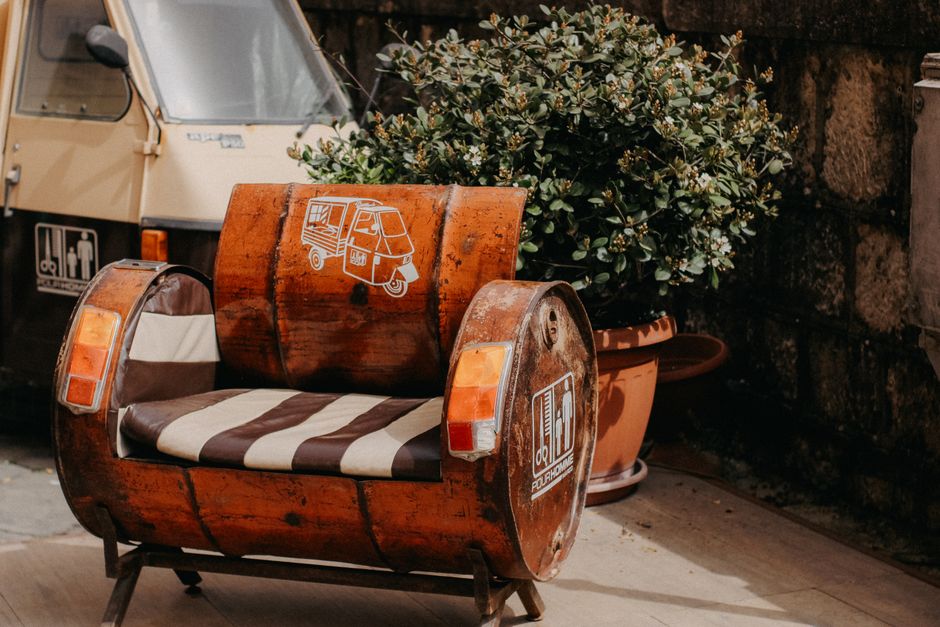
Upcycling has transitioned from a niche hobby to a sophisticated pillar of the circular movement. At its core, upcycling involves taking pre-existing textiles—often deadstock fabrics or discarded garments—and transforming them into high-value items. This process significantly reduces the environmental footprint of clothing by extending the lifecycle of materials and diverting waste from landfills.
From Waste to Wardrobe
The upcycled fashion market is projected to grow significantly as consumers shift away from linear models. Major labels and independent designers alike are now integrating upcycling into their collections. This approach addresses the issue of overproduction, which remains a primary challenge for the fashion sector. By utilizing existing inventory, brands can avoid the carbon-intensive process of creating virgin materials, such as polyester or conventionally grown cotton.
Scalability and Innovation
While upcycling was historically labor-intensive and difficult to scale, new technology is changing the equation. Digitized supply chains allow brands to track deadstock more efficiently, while automated cutting and design software enable designers to replicate unique upcycled pieces at a higher volume. This technological integration is crucial for the mainstream adoption of circular practices.
Strategies for a Circular Future
Transitioning to a circular model requires more than just recycling; it requires a holistic approach to design and consumption. Brands are currently experimenting with various strategies to close the loop.
Design for Longevity
The first step in any circular strategy is designing products that last. This involves choosing durable materials, using construction techniques that allow for easy repair, and creating timeless designs that transcend seasonal trends. When a garment is built to last, it naturally resists the fast-fashion cycle of obsolescence.
Business Model Innovation
Beyond design, the business model itself must evolve. Many companies are now implementing rental programs, take-back schemes, and branded resale platforms. These services allow brands to maintain a relationship with the consumer even after the initial point of sale, effectively creating a secondary market that keeps the product in the value chain longer.
| Model | Circular Benefit | Consumer Value |
|---|---|---|
| Resale | Extends product life | Access to premium items at lower cost |
| Repair Services | Reduces waste | Increased longevity of favorite pieces |
| Rental | Reduces overconsumption | Variety without ownership |
| Upcycling | Diverts landfill waste | Unique, one-of-a-kind aesthetics |
Frequently Asked Questions
What are current upcycling trends?
Current trends include the rise of patchwork denim, the repurposing of vintage luxury scarves into modern silhouettes, and the use of industrial textile waste to create high-end streetwear. Additionally, many brands are now collaborating with local artisans to offer custom upcycling services, allowing customers to send in their old garments to be reimagined into new designs.
What are the three pillars of circular fashion?
The three pillars are generally defined as: designing out waste and pollution, keeping products and materials in use, and regenerating natural systems. By focusing on these three areas, the industry can move away from extraction-based models and toward a system that works in harmony with the environment.
What is the 20 year rule in fashion?
The 20-year rule is a sociological observation suggesting that fashion trends tend to cycle every two decades. Styles that were popular 20 years ago often feel fresh and nostalgic to a new generation. In the context of the circular economy, this rule is a boon; it encourages the resale and vintage markets, as high-quality pieces from two decades ago are often perfectly suited to current style preferences.
Is it true that 85% of all textiles go to dumps each year?
While exact figures fluctuate depending on the region and the specific study, it is widely cited by environmental organizations that a massive percentage of textiles—often estimated near 85%—end up in landfills or are incinerated annually. This statistic underscores the urgent need for systemic change, as the current rate of disposal is unsustainable for the planet.
Conclusion
The shift toward a circular fashion ecosystem is no longer a peripheral interest; it is the necessary path forward for an industry that has long prioritized volume over value. By embracing upcycling, investing in repair-friendly design, and fostering a culture of reuse, the fashion industry can redefine its relationship with the planet. The rise of these trends proves that consumers are ready for a change, and brands that adapt their strategies to promote circularity will be the ones that define the future of style. As we move forward, the integration of circular principles will be the ultimate benchmark for success in the global marketplace, ensuring that our closets remain a source of personal expression rather than environmental degradation.