
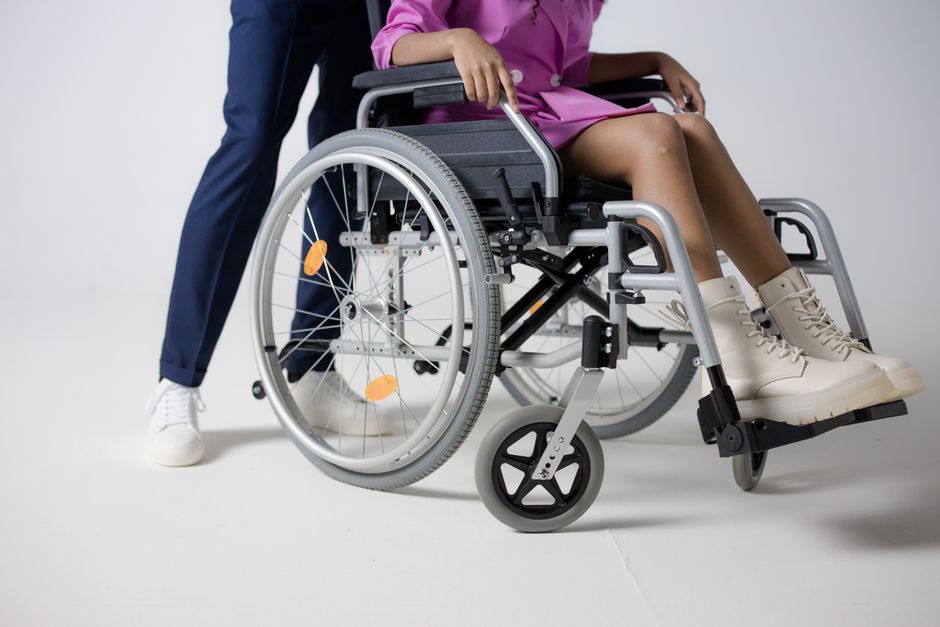
For decades, the fashion industry operated under a narrow definition of the human form, prioritizing standardized sizing and aesthetic trends over the practical realities of how bodies move and function. However, a transformative shift is currently underway. Adaptive fashion, the growing movement toward inclusive clothing design, is redefining the relationship between style and accessibility. By centering the needs of people with disabilities and those navigating recovery or chronic health conditions, the industry is finally acknowledging that true style should not come at the cost of independence or comfort.
The Evolution of Adaptive Clothing: More Than Just Function
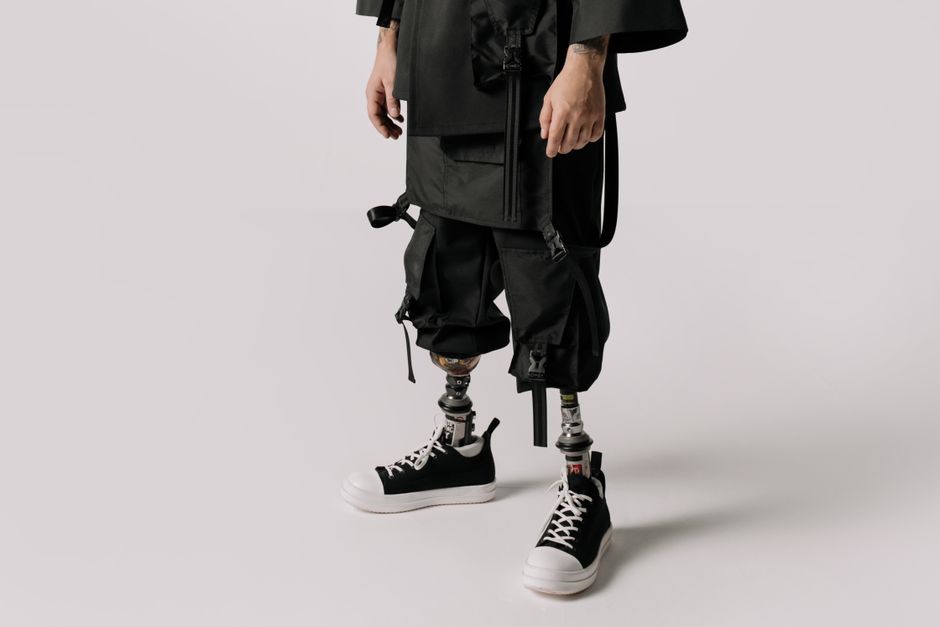
At its core, the meaning of adaptive fashion transcends mere utility. It represents a fundamental shift in design philosophy, moving away from a one-size-fits-all approach toward garments that are engineered to support the wearer’s specific physical requirements. Whether it involves hidden magnetic closures for those with limited dexterity, openings for prosthetic access, or silhouettes tailored for wheelchair users, adaptive clothing is about restoring autonomy to the act of getting dressed.
Historically, individuals with physical challenges were often forced to rely on expensive custom tailoring or uncomfortable, ill-fitting garments. Today, the landscape is changing. Mainstream retail giants such as Tommy Hilfiger, Target, and Victoria’s Secret have launched dedicated lines, proving that adaptive features can be seamlessly integrated into contemporary, high-street fashion. By utilizing design elements like side-seam zippers, wrap-around waistbands, and sensory-friendly fabrics, these brands are ensuring that people with disabilities no longer have to choose between looking fashionable and being able to dress themselves.
Understanding Specialized Design Needs
A common point of confusion for those new to the space is the terminology surrounding specific garments. For instance, consumers often ask, what does adaptive non seated pants mean? In the context of adaptive design, this refers to trousers engineered for individuals who remain ambulatory or have different mobility needs compared to those who spend their day in a wheelchair. While seated-fit pants feature higher back rises and adjusted seams to prevent bunching while in a chair, non-seated adaptive pants focus on ease of entry, such as pull-on waistbands or magnetic fly closures, designed for individuals who may have limited hand strength or balance but do not require specific ergonomic adaptations for a seated position.
The Technological Frontier: AI and 3D Printing
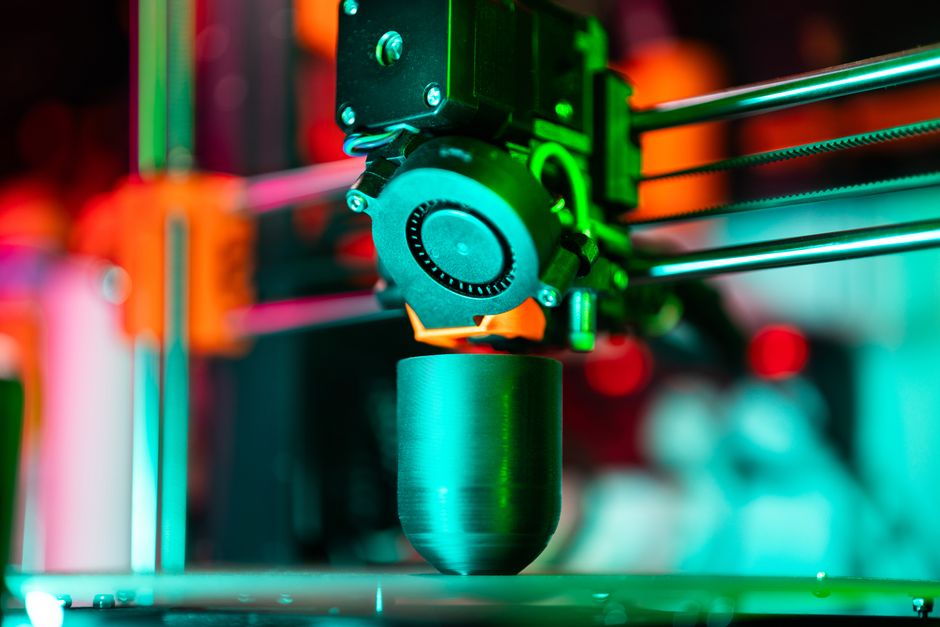
Innovation is the engine driving the growth of this sector. As fashion meets cutting-edge technology, 3D printing and Artificial Intelligence are revolutionizing how we approach inclusive design. These tools allow designers to create personalized solutions that were previously impossible to produce at scale.
3D printing is currently being used to manufacture custom-fit components, such as ergonomic fasteners or specialized hardware that assists with dressing. Meanwhile, AI is being deployed to analyze body scans and movement patterns. By processing this data, AI can suggest design modifications that optimize a garment for independence, ensuring that sleeves, pant legs, and hemlines accommodate the specific range of motion required by the wearer. This data-driven approach ensures that people with varying physical needs can access off-the-rack clothing that feels as though it were bespoke.
Leading the Charge: Brands Defining the Movement
While mainstream adoption is a milestone, much of the innovation originates from niche brands that have spent years refining their craft. These labels are proving that adaptive fashion can be as aesthetically bold as it is functional.
- IZ Adaptive: A pioneer in the field, Izzy Camilleri’s label has focused on high-fashion silhouettes tailored specifically for wheelchair users, proving that accessibility does not require a sacrifice in style.
- Aille Design: This brand focuses on sensory inclusivity by incorporating functional braille into beadwork, turning clothing into a medium for communication and awareness.
- Auf Augenheohe: Focusing on the needs of little people, this brand offers ready-to-wear options that eliminate the need for costly alterations, providing a perfect fit for a demographic often ignored by standard sizing charts.
- Slick Chicks: Specializing in intimates, this brand uses easy-to-latch technology to simplify the dressing process, which is often a significant barrier for those with limited mobility.
- Von Ruz: By blending demi-couture aesthetics with technical solutions like magnetic zips and wrap-around constructions, this brand brings a professional, high-end sensibility to the adaptive market.
Sustainability and the Future of Inclusive Design
A vital aspect of the growing movement toward inclusive clothing design is the intersection of accessibility and sustainability. Many adaptive brands are moving toward on-demand manufacturing models. By producing garments only when they are ordered, companies reduce waste and energy consumption. Furthermore, the push for durable, long-lasting adaptive pieces aligns with the broader industry trend toward eco-conscious consumption. When a garment is designed to be truly functional, it is more likely to be kept, worn, and valued by the consumer, inherently promoting a more sustainable fashion cycle.
Frequently Asked Questions
How do mainstream brands typically adapt their lines?
Mainstream brands usually integrate adaptive features by modifying existing popular styles. This often involves swapping standard buttons for magnetic closures, adding side-seam openings, or adjusting the rise and length of trousers to better accommodate different body positions or prosthetic devices.
Is adaptive clothing only for people with permanent disabilities?
No. While the primary market is people with disabilities, adaptive clothing is also essential for individuals recovering from surgery, those living with chronic pain, or elderly individuals who may experience a temporary or gradual loss of dexterity and mobility. The goal is to provide independence for anyone who faces barriers in traditional dressing.
Can adaptive fashion be stylish?
Absolutely. The stigma that adaptive clothing is purely medical or clinical is rapidly disappearing. Modern designers are treating accessibility as a design challenge rather than a limitation, resulting in collections that feature current trends, high-quality textiles, and sophisticated silhouettes.
Why is braille beadwork significant in fashion?
Braille beadwork, as seen in brands like Aille Design, serves a dual purpose: it makes clothing more accessible and inclusive for the blind and visually impaired, and it acts as a conversation starter, bringing awareness to the needs of the visually impaired community in a way that is visible and stylish.
Conclusion
The rise of adaptive fashion is not merely a trend; it is a necessary evolution of the retail industry. By embracing inclusive design, brands are finally acknowledging the diversity of the human experience. As technology continues to lower the barriers to entry and as consumer demand for clothing that works for every body grows, we can expect to see a more equitable future for fashion. The growing movement toward inclusive clothing design proves that when we design for the margins, we create better, more innovative products for everyone. Fashion should be a tool for self-expression and empowerment, and through the continued development of adaptive clothing, the industry is moving closer to ensuring that this remains true for every individual, regardless of their physical abilities.