
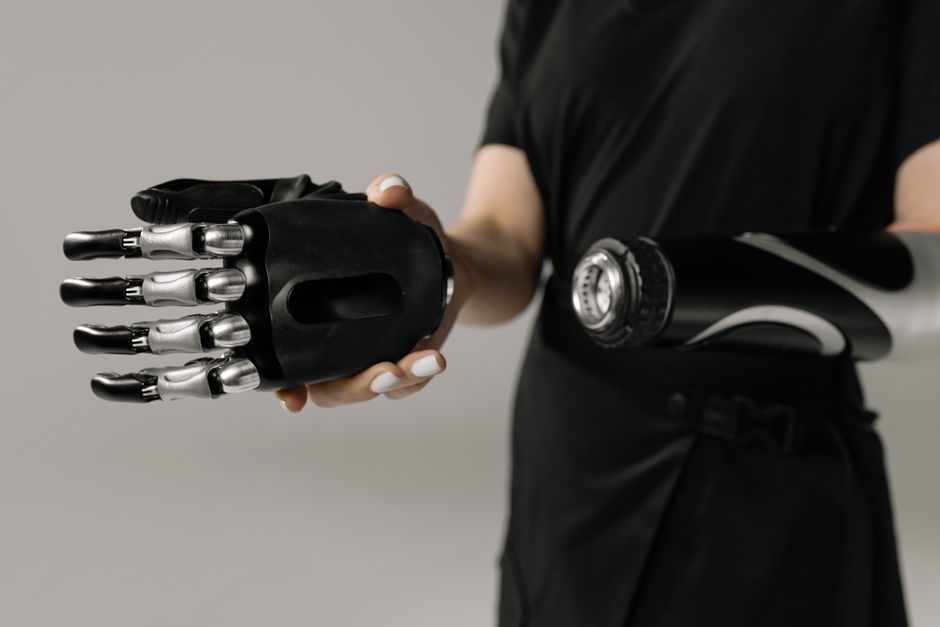
For decades, the beauty industry has championed the concept of inclusivity through visual representation, filling billboards and social media feeds with a diverse array of faces. Yet, behind the polished marketing campaigns, a significant portion of the population has remained excluded from the ritual of self-care. True inclusivity is not just about who appears in an advertisement; it is about who can actually interact with the product. As the industry begins to reckon with the disability gap, a new wave of adaptive design is emerging, proving that beauty should be a tactile, accessible experience for everyone, regardless of physical ability.
The Reality of the Disability Gap in Beauty
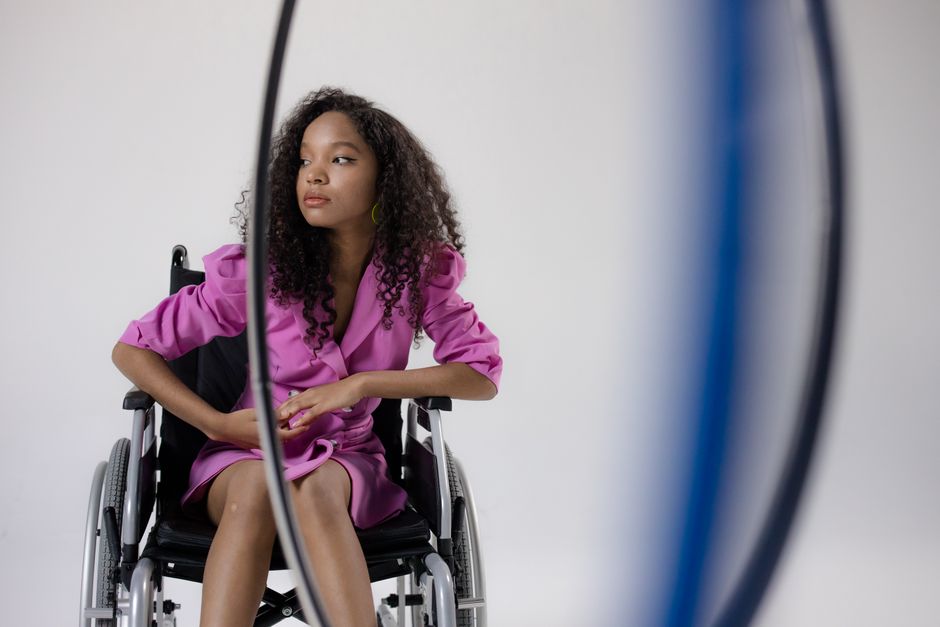
The beauty industry has often been accused of treating inclusivity as a box-ticking exercise, focusing on superficial changes while ignoring the [functional](https://t10family.com/en/functional-fragrance-the-future-of-aromachology-in-fashion/) barriers that prevent millions from using mainstream products. Research by P&G has revealed a sobering statistic: only 4% of beauty and personal care products currently address the specific needs of people with physical disabilities. This lack of consideration is particularly striking when considering the scale of the community involved; in the UK alone, 14.6 million people—roughly 22% of the population—live with a disability. When packaging is difficult to open, impossible to grip, or lacks sensory cues for the visually impaired, the industry effectively alienates nearly a quarter of its potential consumer base.
What Constitutes Accessible Packaging?
Accessible packaging is not a single design feature; it is an approach that prioritizes usability. It encompasses everything from the physical mechanics of a container to the sensory information provided on the label. To be truly inclusive, brands must consider a range of needs, including low dexterity, limited motor control, visual impairment, and chronic pain.
Key Pillars of Accessible Design
- Ergonomics: Packaging that is easy to grip, twist, or press, even for those with limited hand strength or arthritis.
- Sensory Cues: The inclusion of Braille or tactile symbols to help visually impaired users identify products and distinguish between items like shampoo and conditioner.
- Ease of Access: Lids that do not require significant force to remove and pumps that can be operated with one hand or a closed fist.
- Digital Integration: Utilizing technology, such as voice-enabled apps, to guide users through product identification and application.
Leading the Charge: Brands Making a Difference
While the industry has a long way to go, several pioneering companies are setting a new standard for what accessible beauty looks like. By integrating functional design into their product development, these brands are proving that accessibility and high-end aesthetics are not mutually exclusive.
Rare Beauty: A Case Study in Intentional Design
One of the most frequently discussed examples in the community is the Rare Beauty packaging design. While the brand’s aesthetic is celebrated for its sleek, modern look, it has gained significant praise for its functionality. Specifically, the Rare Beauty packaging for disabled users—or rather, the universal design of their products—has been a revelation. The signature Rare Beauty packaging blush, with its soft, spherical applicator cap, provides a larger surface area that is much easier to grip than traditional, slim caps. This feature, while likely intended as a stylistic choice, has been widely adopted as a gold standard for those with dexterity issues. Furthermore, the Rare Beauty packaging extends to their fragrance line; the Rare Beauty accessibility perfume bottle is designed with a unique shape that feels intuitive to hold, ensuring that the act of applying scent remains a seamless, enjoyable experience.
Technological Innovations
Beyond physical packaging, technology is bridging the gap for those with specific physical limitations. Lancôme recently made waves with the introduction of HAPTA, an AI-powered, motor-stabilizing device. This tool is designed to assist individuals with limited arm mobility by keeping the makeup applicator level, effectively compensating for tremors or restricted movement. Similarly, Estée Lauder has launched a voice-enabled makeup assistant app, which provides auditory feedback to visually impaired users, helping them navigate the application process with confidence.
Braille and Tactile Labels
Brands like L’Occitane, Bioderma, and Dr. Jart have taken an essential step forward by incorporating Braille directly onto their product packaging. This simple yet profound change allows visually impaired consumers to shop with independence, removing the need for third-party assistance to identify basic hygiene and skincare essentials.
Accessible Packaging Examples: A Comparison
| Brand | Primary Accessibility Feature | Target Need |
|---|---|---|
| Rare Beauty | Ergonomic, large-grip applicators | Dexterity and grip issues |
| Lancôme | HAPTA Motor-stabilizing device | Limited arm mobility/tremors |
| Estée Lauder | Voice-enabled AI app | Visual impairment |
| L’Occitane | Braille on outer packaging | Visual impairment |
Frequently Asked Questions
Why is inclusive packaging important for the beauty industry?
Inclusive packaging is essential for ensuring that beauty products are usable by everyone, regardless of physical ability. When products are designed with accessibility in mind, it empowers millions of people to maintain their independence and participate fully in self-care rituals, which are often tied to mental well-being and personal confidence.
Are accessible products always more expensive to produce?
Not necessarily. While initial research and development for complex tools like the HAPTA device are costly, many accessibility features—such as larger caps, high-contrast text, or tactile indicators—can be incorporated into standard manufacturing processes with minimal impact on the final price point. The real challenge for brands is shifting their design philosophy to prioritize these features from the outset.
How can consumers advocate for better accessibility?
Consumers can advocate for change by supporting brands that demonstrate a commitment to inclusive design and by providing feedback to their favorite companies. When brands realize that accessibility is a significant market demand, they are more likely to invest in the necessary design changes to meet those needs.
Conclusion
The movement toward adaptive beauty is more than just a trend; it is a necessary evolution of the industry. By moving away from the “one-size-fits-all” approach and embracing universal design, beauty brands have the opportunity to make a tangible difference in the lives of millions. Whether it is through the thoughtfully considered Rare Beauty packaging design, the revolutionary technology of Lancôme’s HAPTA, or the simple addition of Braille by brands like L’Occitane, the path forward is clear. The future of beauty is one where the packaging is as inclusive as the marketing, ensuring that the joy of self-expression is truly accessible to every individual, regardless of their physical capabilities. As we look ahead, the industry must continue to innovate, keeping the 22% of the population who live with disabilities at the heart of their creative process.