

For decades, the cultural narrative surrounding the skilled trades has been defined by a dichotomy: the hands-on, physical grit of the blue-collar worker versus the clean, [digital](https://t10family.com/en/digital-detox-camps-for-teens-why-unplugging-is-essential/) efficiency of the office professional. However, as artificial intelligence and robotics permeate every corner of the global economy, this divide is rapidly collapsing. Far from signaling the end of manual labor, the integration of AI is sparking a blue-collar tech revolution. This shift is not about machines replacing people; it is about augmenting human expertise, increasing safety, and creating a new class of high-tech tradespeople who command higher wages and greater job security than ever before.
The Reality of Automation in the Trades

A common misconception in the digital age is that automation is a universal job-killer. While headlines often focus on AI taking over jobs, the reality for the blue-collar sector is far more nuanced. Research indicates that while up to 30 percent of the broader U.S. job market may face automation by 2030, only about 1 percent of blue-collar jobs are currently considered at risk. The reason is simple: the physical world is unpredictable. While an AI can draft an email or generate a financial report in seconds, it struggles with the nuanced, non-linear environments found on a construction site, a factory floor, or inside a complex vehicle engine.
Why is there a shortage of skilled trade workers?
The shortage is a multifaceted issue driven by decades of college-centric career counseling and an aging workforce. As baby boomers retire in droves, they are taking decades of institutional knowledge with them. Simultaneously, younger generations have been steered toward traditional four-year degrees, often leaving them saddled with debt and facing a job market increasingly disrupted by AI. This has created a massive supply-and-demand gap. Today, the trades are experiencing a renaissance because they offer a path to financial stability that is largely immune to the AI-driven volatility currently rattling white-collar industries.
How Blue-Collar AI is Reshaping the Landscape
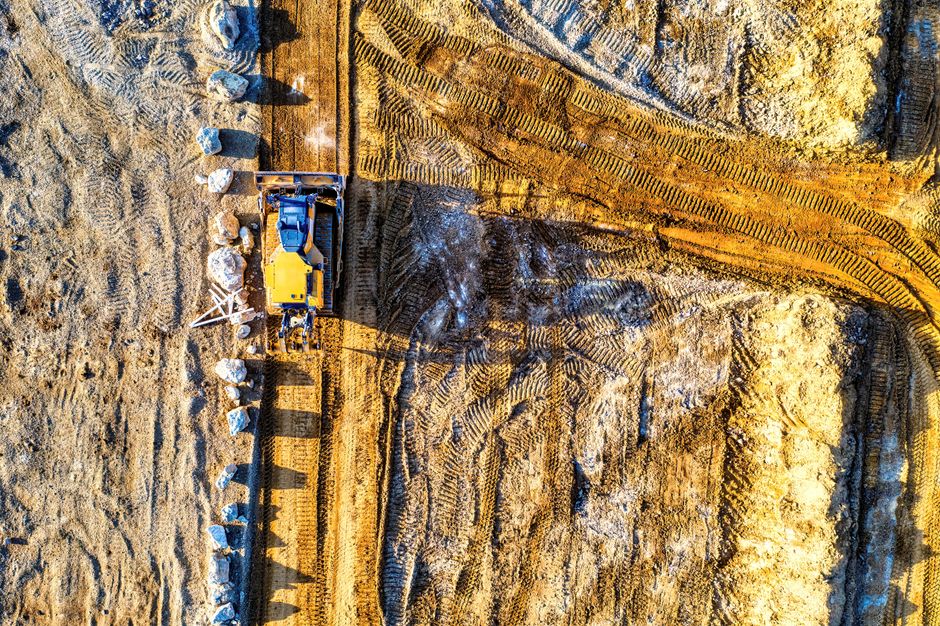
The digitization of work is transforming the manual labor sector into a tech-enabled profession. We are seeing a shift where the hammer and wrench are being supplemented by tablets, CAD software, and autonomous robotic assistants. This evolution is most visible in industries like manufacturing, logistics, and heavy construction.
Collaborative Robotics: Humans and Machines Working Together
In the world of welding, for example, the introduction of CAD-integrated robotics has been a game-changer. Rather than replacing the welder, these robots handle the repetitive, high-heat, or toxic-fume-heavy tasks that pose the greatest health risks to humans. The human welder, meanwhile, moves into a supervisory role, using their expertise to map complex welding paths and oversee the machine’s execution. This collaboration improves the quality of the work while keeping the human operator safe and productive. By 2028, the United States is projected to need approximately 330,000 new welders, a demand driven by both infrastructure renewal and the ability of technology to make the trade more efficient and accessible.
The Rise of the Automation Technician
As factories and mining operations become more automated, the nature of the labor required changes. The demand is shifting away from manual operators toward skilled automation technicians. These professionals are responsible for maintaining, optimizing, and overseeing the complex robotics that drive modern production. Because these roles require a unique blend of physical mechanical skills and digital literacy, automation technicians often command a salary premium of over 10 percent compared to traditional roles. This is a clear indicator that [the future of](https://t10family.com/en/the-future-of-pet-health-why-smart-collars-are-essential/) the blue collar is not less labor, but more specialized, tech-integrated labor.
Are Trades Safe from AI?
The question of whether trades are safe from AI is best answered by looking at the nature of the work. AI currently excels at processing information and identifying patterns in data. It struggles with physical dexterity, sensory perception, and the ability to adapt to a messy, real-world environment. A robot might be able to weld a seam, but it cannot easily diagnose why a plumbing system is failing in an old house, nor can it navigate the complex, unscripted interpersonal dynamics of a construction project. For the foreseeable future, the trades are not only safe; they are arguably the most secure career path in an increasingly automated world.
FAQ: Understanding the Future of Work
How is AI affecting blue-collar jobs?
AI is acting as a force multiplier for blue-collar workers. Instead of replacing them, it is automating dangerous or repetitive tasks, improving precision through digital modeling, and allowing workers to complete projects faster and more safely. It is shifting the focus from pure physical labor to a hybrid of physical work and technical oversight.
Which 3 jobs will survive the AI Revolution?
While many roles will evolve, three categories that are highly resistant to full AI replacement include skilled construction trades (electricians, plumbers, and HVAC technicians), specialized healthcare workers (nurses and physical therapists), and high-level maintenance technicians who service and repair the very robots and AI-driven systems being deployed in industry.
What is a $900,000 AI job?
When you see headlines about $900,000 AI jobs, they are almost exclusively referring to highly specialized machine learning engineers and researchers at top-tier tech firms like OpenAI or Google. These roles involve designing the foundational models of AI, which is a fundamentally different career path than the tech-enabled skilled trades discussed here.
Which 5 jobs will survive AI?
Jobs that require deep physical interaction with the world and high levels of empathy are the most secure. These include electricians, plumbers, specialized mechanics, emergency first responders, and mental health professionals. These roles rely on situational awareness and physical adaptability that current AI and robotics technology cannot replicate.
Conclusion
The blue-collar tech revolution is a testament to the enduring value of human skill. As we move further into the 21st century, the distinction between the “tech worker” and the “tradesperson” will continue to blur. Today’s most successful workers in the field are those who embrace digitization, leveraging AI and robotics to enhance their productivity, safety, and professional longevity. For those looking to avoid the uncertainty of the current white-collar job market, the skilled trades offer a unique, debt-free, and high-demand path toward a stable future. The future of work is not a choice between humans and machines; it is a partnership that makes the work safer, more efficient, and more rewarding than ever before.