
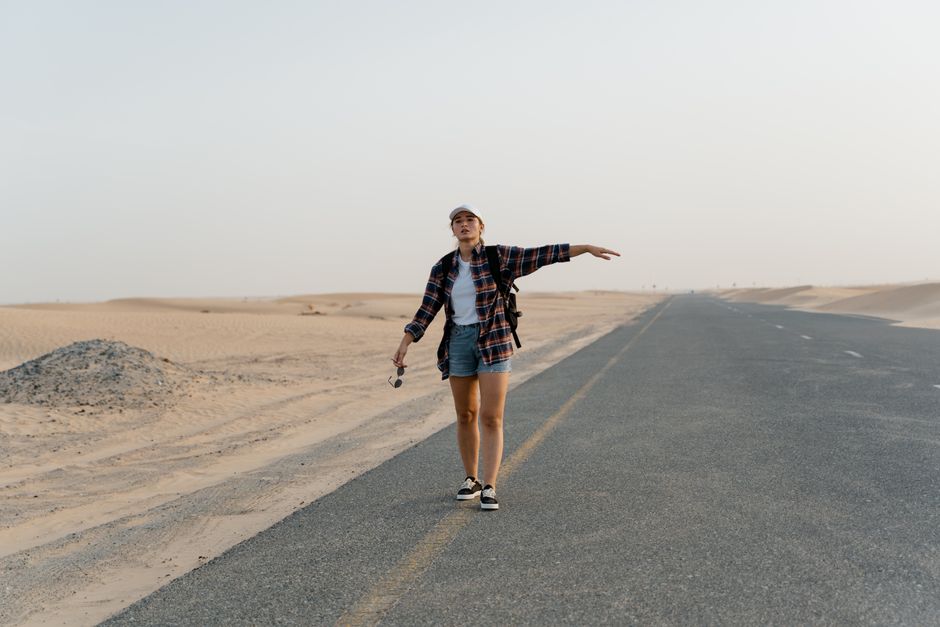
The landscape of modern exploration is shifting, driven by a powerful surge in women choosing to navigate the globe on their own terms. Solo travel, once viewed with skepticism or caution, has evolved into a profound act of self-discovery and empowerment. However, the apprehension surrounding personal security remains a significant barrier for many. Today, a new movement—Solo Female Travel 2.0—is transforming this dynamic. By leveraging technology, data-driven insights, and the collective wisdom of a global sisterhood, women are no longer venturing out into the unknown alone; they are stepping into a supportive, safety-first ecosystem designed to mitigate risks and maximize the joy of the journey.
The Evolution of the Solo Female Traveler Network

For decades, the primary challenge for a solo woman traveling was the lack of reliable, gender-specific information. General travel advice often failed to address the unique nuances of harassment, cultural expectations, or the specific safety concerns faced by women. The rise of the Solo Female Traveler Network has fundamentally changed this. These communities have evolved from simple online forums into sophisticated hubs that provide actionable, peer-to-peer intelligence.
Research indicates that 65% of women who have not yet taken a solo trip cite fear of personal safety as their primary deterrent. Yet, the data also shows that experience is the best antidote to this anxiety. Among women who have completed fewer than five solo trips, 75% report significant safety-related fears; this number drops to 52% for those who have taken more than ten trips. By providing a platform for dialogue, these networks help bridge the gap, turning the “fear of the unknown” into “preparedness through experience.”
Data-Driven Confidence: The Safety Index

One of the most significant advancements in recent years is the development of the Solo Female Travel Safety Index. Unlike generic government travel advisories that often focus on broad geopolitical risks, these specialized indices aggregate data to provide a holistic view of the female experience. By combining official records—such as the Global Peace Index and government travel warnings—with the firsthand, verified experiences of thousands of women, these tools offer a more accurate picture of a destination.
When evaluating a location, these indices track critical variables, including the risk of theft, the prevalence of scams, and, crucially, the local attitudes toward women. By normalizing the sharing of experiences, these platforms allow travelers to make informed decisions based on the actual, day-to-day reality of living and moving through a specific city or country.
Leveraging Technology for Personal Security
The modern solo traveler’s toolkit is no longer limited to paper maps and intuition. A robust solo female travel group USA or global community now emphasizes the use of digita safety layers. These tools generally fall into three categories:
- Emergency and Panic Buttons: Apps like Noonlight, MayDay Safety, and bSafe act as digital bodyguards. They provide silent, one-tap alerts that notify emergency contacts or local authorities, ensuring help is reachable even in vulnerable moments.
- Destination Intelligence: Platforms like GeoSure allow users to check the safety ratings of specific neighborhoods, factoring in risks like street harassment and theft, which helps in choosing accommodation and planning evening activities.
- Community Connection: Apps like NomadHer and Tourlina serve as social safety nets. They allow women to verify travel companions, share real-time tips, and connect with other women in the vicinity, effectively utilizing the “buddy system” to navigate unfamiliar environments.
Bridging Independence and Community
While the allure of solo travel lies in autonomy, the industry is increasingly recognizing the demand for “solo but not alone” experiences. Many solo travel groups for women over 50 and other age-specific cohorts have emerged to provide the structure of a tour with the freedom of a solo trip. These organizations eliminate the “single supplement” penalty and provide a built-in social circle, which is particularly valuable for those who want to explore remote or complex regions without the burden of constant logistical planning.
The rise of these female-only travel groups is not just about convenience; it is about creating an environment where women feel seen and respected. When 68% of women state that they find recommendations from other female travelers in online groups to be highly trustworthy, it is clear that the community itself is the most powerful safety asset available.
FAQ: Navigating Common Concerns
Which city is the safest for solo female travel?
Safety is subjective and depends on your comfort level, but cities that consistently rank high in the Solo Female Travel Safety Index—such as Copenhagen, Reykjavik, and Kyoto—are frequently cited by the community. These locations excel due to low crime rates, excellent public infrastructure, and progressive cultural attitudes that support women’s independence.
What are the 10 riskiest countries for solo travel?
Defining “risky” is complex, as it involves both violent crime and systemic harassment. Most experts advise checking the latest U.S. State Department and UK Foreign Office advisories, which provide real-time updates on political instability. However, the community often highlights that even in countries with high overall safety, women must remain vigilant regarding local cultural norms and gender-based harassment, which can vary significantly by region.
What is the safest country for a female solo traveler?
Iceland frequently tops the global lists for safety, often holding the title of the safest country in the world according to the Global Peace Index. Its combination of low crime, high gender equality, and a small, well-connected population makes it an ideal destination for those taking their first solo trip.
What is the best travel company for solo travelers?
The “best” company depends on your travel style. For those seeking community and safety, companies like AdventureWomen, Wild Women Expeditions, and the various offerings from the Solo Female Traveler Network are highly regarded. These companies are often woman-owned and specifically design their itineraries to support the needs, interests, and safety requirements of women traveling alone.
Conclusion: The Future of Empowered Travel
Solo female travel is no longer a niche pursuit; it is a burgeoning global movement. As more women claim their right to explore the world, the travel industry is being forced to adapt, placing safety and equity at the forefront of their services. By utilizing the Solo Female Traveler Network, engaging with verified Solo Female Traveler Network reviews, and embracing the digital tools that provide peace of mind, women are successfully dismantling the barriers that once kept them stationary. Whether you are a seasoned explorer or planning your very first trip, remember that you are part of a massive, supportive community. You are not just traveling; you are contributing to a future where the world is more accessible, inclusive, and safe for every woman who feels the call to venture out on her own.