
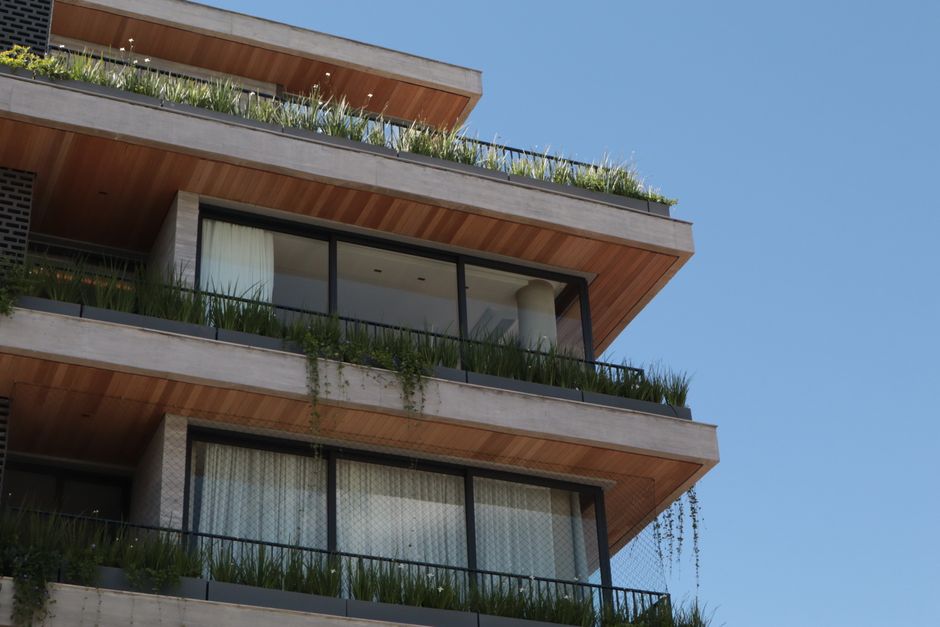
For the modern professional, the dream of a lush, green sanctuary often clashes with the reality of a demanding schedule. Transforming a cramped urban balcony into a thriving ecosystem no longer requires hours of manual labor or a green thumb honed over decades. With the rise of voice-activated technology and precision automation, balcony gardening has entered a new era of efficiency. By integrating smart sensors, automated irrigation, and voice-command ecosystems, even the most time-poor city dweller can cultivate a productive, sustainable garden that practically cares for itself.
The Convergence of Smart Technology and Horticulture
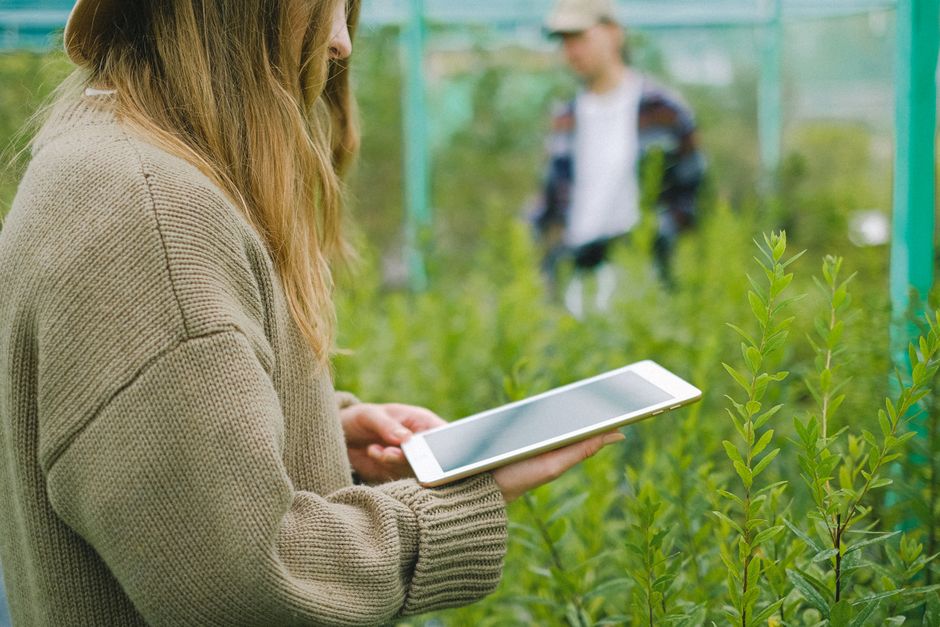
Urban gardening presents unique challenges, primarily related to limited square footage and the microclimates created by high-rise architecture. However, the integration of smart home systems has turned these constraints into design opportunities. Voice-activated gardening systems allow you to manage your flora through simple conversational commands, bridging the gap between high-tech convenience and organic growth.
Building an Intelligent Ecosystem
At the heart of a modern smart balcony is a centralized hub, such as Amazon Alexa, Google Home, or Apple HomeKit. These platforms serve as the brain of your garden. By connecting Wi-Fi-enabled soil moisture sensors and smart plugs to your irrigation system, you can move away from guessing whether your plants need water. Instead, your garden communicates its needs directly to you, or better yet, handles them autonomously.
When selecting hardware for your balcony, prioritize modular, vertical systems. Because urban spaces are often defined by their height rather than their width, vertical hydroponic towers and wall-mounted irrigation grids are essential. These structures maximize sunlight exposure while keeping the floor clear, allowing you to maintain a functional outdoor living space while housing dozens of individual plants.
Optimizing Irrigation with Precision Agriculture

Water management is the most critical aspect of maintaining a healthy balcony garden. Traditional hand-watering is prone to human error, often leading to either root rot from overwatering or leaf scorch from neglect. Automated irrigation systems, when integrated with moisture-sensing probes, can reduce water waste by up to 50 percent. These systems operate on a feedback loop: the sensor detects the volumetric water content of the soil and triggers the pump only when thresholds fall below a specific point.
Designing for Efficiency
To implement a truly hands-off system, consider the following components:
- Smart Solenoid Valves: These control the flow of water through your drip lines, allowing you to trigger watering schedules via voice commands like “Alexa, water the balcony herbs.”
- Soil Moisture Tensiometers: These provide real-time data to your smartphone, alerting you to the precise hydration status of your containers.
- Weather-Adaptive Controllers: By linking your irrigation system to local weather forecasts, your smart garden can automatically skip a watering cycle if rain is predicted, further conserving resources.
Selecting the Right Flora for Voice-Controlled Environments
Not all plants are well-suited for automated care. When planning your balcony garden, focus on varieties that tolerate consistent moisture levels and thrive in containerized environments. Leafy greens, herbs like basil and mint, and certain ornamental perennials are excellent candidates for automated care. Avoid succulents or desert-dwelling cacti if your irrigation system is heavily automated, as they require distinct dry-down periods that can be difficult to manage without advanced custom programming.
| Plant Category | Suitability for Automation | Placement Strategy |
|---|---|---|
| Leafy Greens | High | Vertical hydroponic towers |
| Culinary Herbs | High | Wall-mounted smart pots |
| Succulents | Low | Individual manual pots |
| Flowering Annuals | Medium | Hanging baskets with drip lines |
Managing the Urban Microclimate
Urban balconies often experience extreme wind gusts and reflected heat from glass or concrete facades. Smart gardening isn’t just about water; it is also about environmental control. Integrating smart light sensors can help you determine the exact “sun hours” your balcony receives, allowing you to adjust your plant placement. If your balcony is prone to high winds, consider smart-controlled misting systems that can increase humidity levels during heatwaves, preventing your plants from dehydrating under the stress of urban heat islands.
Frequently Asked Questions
What is the 70/30 rule in gardening?
The 70/30 rule is a design principle often applied to urban landscaping and balcony gardening. It suggests that 70 percent of your space should be dedicated to structural, permanent, or high-yield plants, while the remaining 30 percent should be reserved for seasonal, experimental, or aesthetic additions. This balance ensures that even if your seasonal plants fail or require maintenance, the core of your garden remains lush and visually consistent.
What is the best AI for gardening?
There is no single “AI” that manages a garden, but rather a collection of machine-learning-driven platforms. Currently, platforms like Planta or Greg, when paired with IoT hardware like the Xiaomi Flora or various smart garden kits, provide the most robust AI experience. These apps analyze your plant species, local climate data, and sensor feedback to provide hyper-personalized care schedules that you can trigger via voice commands.
What is ADHD gardening?
ADHD gardening refers to strategies designed to support individuals who struggle with the executive function required for consistent plant care. It emphasizes “high-reward, low-maintenance” setups. For these gardeners, automation is not just a luxury but a necessity. By removing the need for daily manual tasks like watering or fertilizing, automation prevents the feelings of guilt associated with neglected plants, allowing the gardener to focus on the enjoyment of the space rather than the chore of maintenance.
What is the best automatic plant watering system for a balcony?
The best system for an urban balcony is a drip irrigation kit connected to a smart hose timer or a smart water controller. Systems that offer modular drip emitters are ideal because they allow you to customize the flow rate for different plant types. Look for systems that support integration with major smart home platforms, as this ensures you can monitor and override your watering schedule from anywhere in the world.
Conclusion
Embracing a voice-activated, automated balcony garden is a transformative step for the busy professional. By shifting the burden of routine care to smart technology, you reclaim your outdoor space as a place for relaxation rather than a source of stress. Whether you are automating your irrigation to save water or utilizing voice commands to check on the health of your vertical herb wall, technology provides the framework for a thriving urban oasis. With careful planning and the right digital infrastructure, your balcony can become a sustainable, productive, and beautiful extension of your modern home.