
In an era defined by relentless schedules, competitive academic pressures, and the constant digital tethering of our daily lives, modern parenting has often become a race toward achievement. From early-childhood enrichment programs to the curated extracurricular portfolios required for university admissions, the prevailing culture suggests that a child must be constantly engaged to be successful. However, a counter-movement is gaining momentum globally. Slow parenting offers a deliberate departure from this high-performance paradigm, emphasizing depth over breadth, presence over productivity, and the natural rhythm of development over forced acceleration.
The Philosophy of Slow Parenting in a High-Performance World
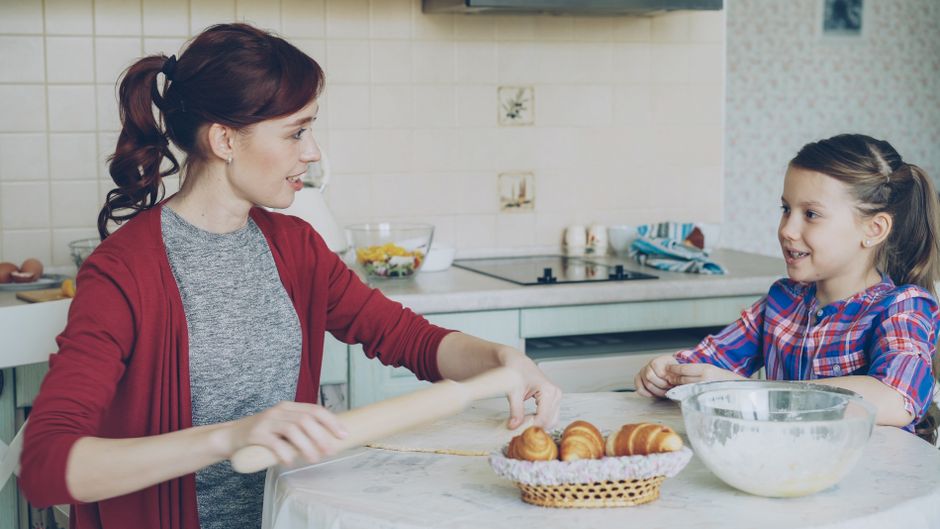
At its core, slow parenting is not about doing less for the sake of laziness; it is about doing the right things with greater intention. The movement draws inspiration from the global Slow Food ethos, which prioritizes quality, sustainability, and the connection to the source. When applied to family life, this means shifting the focus from managing a child as a project to be optimized, to nurturing a human being who is allowed the time to explore their interests, experience boredom, and develop internal motivation.
The Trap of Over-Scheduling
High-performance culture often equates a packed calendar with a successful upbringing. Yet, research consistently indicates that when children are over-scheduled, they lose the capacity for self-directed play. Slow parenting creates the necessary space for unstructured time, which is essential for cognitive development and emotional regulation. By slowing down, we allow children the time to process their experiences, reflect on their emotions, and cultivate the resilience required to navigate the complexities of life without constant adult intervention.
Lessons from Global Educational Models

Several nations have long prioritized a more measured approach to education and upbringing, providing a blueprint for families looking to integrate slow parenting into their lives. By examining these systems, we can see that academic excellence does not require a constant, high-pressure performance cycle.
The Nordic Approach: Trust and Nature
Countries like Finland and Denmark consistently rank at the top of global education indices, yet their systems are the antithesis of the high-pressure models found in many other regions. In these cultures, formal schooling often begins later, and there is a heavy emphasis on outdoor, unstructured play. This natural approach recognizes that children require physical movement and exposure to the environment to build the neurological foundations necessary for later academic success.
The Japanese Concept of Kodomo no Jikan
Even in cultures known for high academic rigor, there are pockets of wisdom regarding the pace of childhood. The concept of kodomo no jikan, or “child’s time,” acknowledges that children operate on a different temporal plane than adults. By honoring this, parents can learn to step back and observe rather than direct, allowing the child to master tasks at their own pace. This alignment with the child’s developmental timeline is a cornerstone of the slow parenting slow approach.
Practical Strategies for a Slower Pace
Adopting this philosophy does not require a radical lifestyle overhaul. It begins with small, intentional shifts that prioritize family connection and individual well-being over the metrics of productivity.
- Curate the Environment: Reduce the number of toys and digital distractions. A simpler environment encourages deeper focus and creativity.
- Value Boredom: Resist the urge to fix every moment of inactivity. Boredom is often the precursor to imagination and problem-solving.
- Prioritize Family Rituals: Whether it is a shared meal without devices or a nightly walk, these rituals anchor the family in the present moment.
- Focus on Process, Not Outcome: Celebrate the effort and the learning journey rather than the grade or the trophy.
The Benefits of Slowing Down
When families embrace a slow parenting approach, the reduction in stress is palpable. Children who are not constantly being pushed to meet external benchmarks often develop a stronger sense of self-identity. They are more likely to pursue interests that genuinely excite them rather than those that look good on a resume. Furthermore, the parent-child relationship is transformed from one of manager and subordinate to one of partnership and mutual respect, fostering a deeper emotional bond that lasts well into adulthood.
Frequently Asked Questions
What is the 7-7-7 rule for parenting?
The 7-7-7 rule is a framework designed to maintain connection between parents and children as they grow. It suggests that every 7 days, you should have a one-on-one date with your child; every 7 weeks, you should have a weekend getaway or a significant shared experience; and every 7 months, you should take a longer period, such as a week-long vacation, to focus entirely on family bonding. The goal is to ensure that quality time is not left to chance but is structurally prioritized in a busy life.
What is slow parenting style?
Slow parenting is a style that encourages parents to be less prescriptive and more observant. It involves rejecting the “helicopter” urge to manage every aspect of a child’s life. Instead, it advocates for allowing children to take age-appropriate risks, engage in free play, and develop their own interests, thereby fostering independence, resilience, and a love for learning that is intrinsic rather than driven by external rewards.
What is hummingbird parenting?
Hummingbird parenting is a term used to describe a style where parents hover nearby, ready to intervene if necessary, but essentially allow the child to fly on their own. Unlike helicopter parenting, which involves constant, intrusive management, a hummingbird parent stays in the periphery. They are available for support but do not dictate the child’s path, allowing the child to develop autonomy while maintaining the security of knowing help is available if they truly struggle.
What is Diana Baumrind’s theory of parenting styles?
Diana Baumrind, a developmental psychologist, identified three primary parenting styles based on the levels of responsiveness and demandingness: Authoritarian, Authoritative, and Permissive. Later, a fourth style, Neglectful, was added. Slow parenting aligns most closely with the Authoritative style, which is characterized by high responsiveness and high standards. In this model, parents provide clear guidance and structure while remaining deeply attuned to the child’s emotional needs and fostering open communication.
Conclusion
In a world that equates speed and accumulation with success, choosing to slow down is a radical and courageous act. Slow parenting is not a rejection of ambition; it is a recognition that true, sustainable achievement is rooted in a well-developed sense of self. By stripping away the unnecessary noise of high-performance culture, we give our children the greatest gift possible: the time to become who they are truly meant to be. As we look toward the future, the most successful individuals will likely be those who are not just the fastest or the most decorated, but those who are the most self-aware, resilient, and capable of finding joy in the quiet moments of life.