
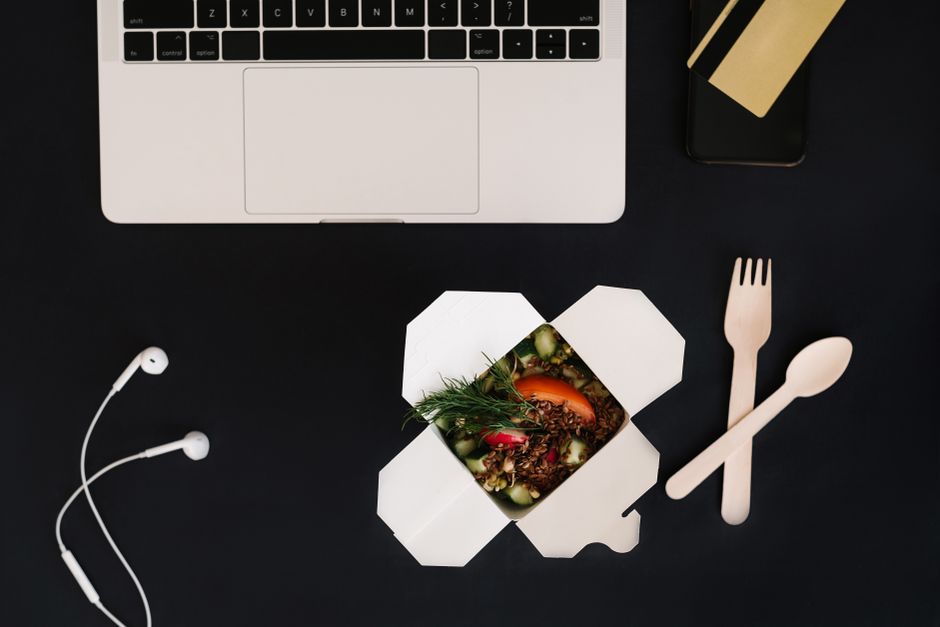
For the modern professional, the intersection of a demanding career and a healthy lifestyle often feels like a constant tug-of-war. You want to eat well, but the time required to shop, chop, and cook often falls victim to a packed calendar. The secret to reclaiming your time isn’t to spend your entire Sunday in the kitchen; it is to master the art of minimalist meal prep. By focusing on efficiency and high-impact habits, you can ensure that nutritious food is always available, preventing the dreaded cycle of expensive takeout and unhealthy snacking. This guide provides 10 essential meal prep hacks designed for busy professionals who need to make their time in the kitchen count.
1. Master the Slow Cooker and Instant Pot
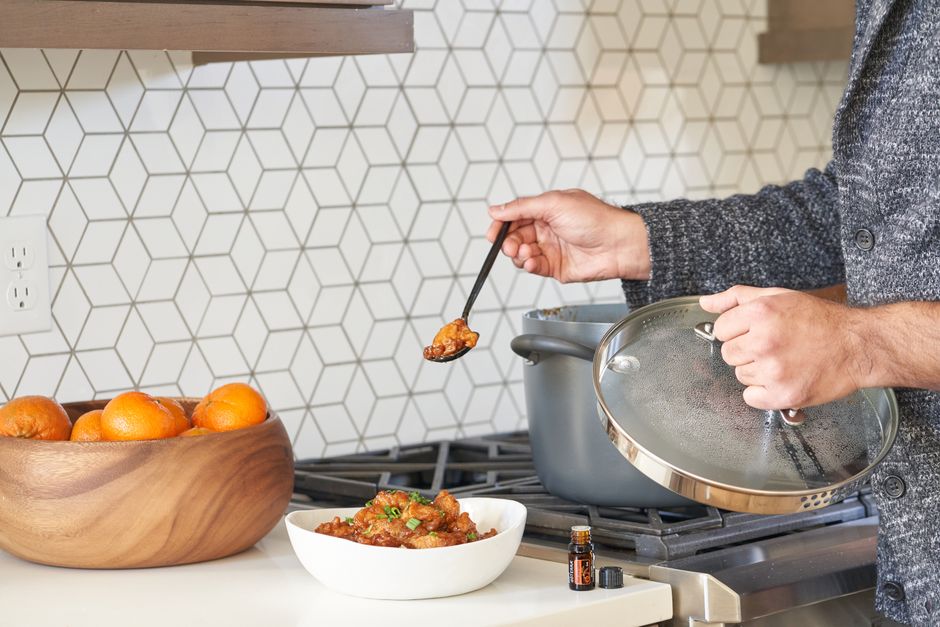
One of the most effective meal prep hacks is leveraging technology to do the heavy lifting. Slow cookers and Instant Pots allow for a “set it and forget it” approach that fits perfectly into a hectic schedule. By dedicating just twenty minutes on a Sunday to toss ingredients into a pot—such as a hearty chili, shredded chicken, or a vegetable curry—you create a base for multiple meals throughout the week. Because these appliances handle the cooking process while you are working, exercising, or running errands, you eliminate the need for active monitoring, drastically reducing the mental load of dinner preparation.
2. Shop Your Own Kitchen First
Before you head to the grocery store, take ten minutes to audit your pantry and refrigerator. Many professionals fall into the trap of buying new ingredients for every recipe, which leads to food waste and cluttered cabinets. Instead, plan your meals based on what you already have. If you have a half-bag of rice and a few cans of beans, build your meal plan around those staples. This minimalist strategy forces creativity, saves significant money, and ensures that you are consistently clearing out your inventory, which is the cornerstone of an efficient, organized kitchen.
3. Utilize Pre-Made Sauces for Flavor Variety
Meal prep burnout often occurs when every dish tastes the same. To keep your palate engaged without spending hours crafting homemade marinades, invest in high-quality, store-bought sauces and dressings. Whether it is a vibrant Thai peanut sauce, a tangy balsamic glaze, or a robust pesto, these condiments can transform a simple bowl of grains and protein into a restaurant-worthy meal. By switching the sauce, you can eat the same batch-prepped chicken or tofu three nights in a row and have each meal feel like a completely different experience.
4. The Power of Freezer-Friendly Batches
Freezing is not just for leftovers; it is a strategic tool for long-term planning. When you find the time to cook, double or triple your recipe and freeze the excess in individual portions. This creates a “home-grown” frozen meal library. On nights when your work runs late and you have zero energy to cook, you will have a healthy, homemade option ready to reheat in minutes. To maximize this, store your food in flat, stackable containers or moisture-proof bags to prevent freezer burn and save precious shelf space.
5. Organize Your Kitchen for Efficiency
A cluttered kitchen creates friction, making it harder to start the meal prep process. Optimize your workspace by keeping your most-used tools—such as your chef’s knife, cutting board, and high-quality glass storage containers—in an accessible area. Investing in clear, stackable, microwave-safe glass containers is a game-changer. They allow you to see exactly what is in your fridge at a glance, which reduces decision fatigue and prevents you from forgetting about prepped items until they go bad.
6. Batch Cook Grains and Proteins
Instead of preparing full recipes from start to finish, focus on preparing “components.” Spend an hour batch-cooking a large pot of quinoa, rice, or farro, and roasting a tray of protein like salmon or chicken breast. These components can be stored in the fridge and combined with fresh greens, pre-cut vegetables, or your favorite sauces to create quick bowls. This modular approach to meal prep allows for maximum flexibility during the week, letting you assemble a fresh meal in under five minutes.
7. Adopt the Mason Jar Method
Mason jars are an excellent solution for professionals who need portable, healthy lunches. By layering ingredients—dressing on the bottom, followed by grains, proteins, and finally greens on top—you keep your salads crisp and fresh for days. This method is perfect for meal prep because you can assemble five jars in under twenty minutes. It ensures you have a nutritious, balanced meal ready to grab from the fridge as you head out the door for your morning commute.
8. Implement a Two-Day Prep Schedule
If a massive four-hour Sunday prep session feels overwhelming, break it up. Try a two-day prep schedule, focusing on Sunday and Wednesday. This ensures that your food stays fresher throughout the week and allows you to adjust your menu based on your upcoming work demands. A mid-week “reset” also provides a great opportunity to chop fresh vegetables or steam a new batch of protein, ensuring your Thursday and Friday meals taste as fresh as the ones you ate on Monday.
9. Prioritize Grab-and-Go Snacks
Busy professionals often skip snacks, leading to energy crashes and poor choices later in the day. Keep your energy steady by portioning out healthy snacks at the start of the week. Almonds, hard-boiled eggs, Greek yogurt, or pre-cut fruit should be easily accessible. When these items are already portioned, you are far more likely to reach for them than to opt for a sugary vending machine snack or a high-calorie delivery order during a mid-afternoon slump.
10. Start Small and Build Momentum
The most common mistake beginners make is trying to prep every meal for the entire week on their first attempt. This often leads to frustration and burnout. Start by prepping just one meal type—perhaps lunches for three days. Once you master that rhythm, you can expand to breakfasts or dinners. Remember that meal prep is a skill that improves with practice; by starting small, you ensure that the habit sticks, eventually becoming a seamless part of your professional routine.
Frequently Asked Questions
What is the 3-3-3 rule for meal prep?
The 3-3-3 rule is a minimalist strategy used to simplify grocery shopping and planning. It suggests preparing 3 different proteins, 3 different vegetables, and 3 different starches for the week. By prepping these nine components in bulk, you can mix and match them to create a wide variety of meals, ensuring you have enough food for the week without the complexity of following multiple distinct recipes.
What are some good meal prep ideas for busy professionals?
The best ideas for busy professionals are modular. Consider sheet-pan roasted vegetables and chicken sausage, mason jar salads with hearty grains like farro, or overnight oats prepped in individual jars for breakfast. Batch-cooked soups and stews are also excellent, as they often taste better the next day and freeze perfectly for future use.
What is the 5 4 3 2 1 rule for groceries?
This is a shopping framework designed to streamline your trip to the store and reduce impulse buys. The rule suggests buying 5 vegetables, 4 fruits, 3 proteins, 2 starches, and 1 “fun” or flavor-boosting item (like a specific sauce or condiment). This structure ensures you have a balanced inventory of ingredients without overbuying or getting overwhelmed by endless choices.
How to meal prep when you’re busy?
When you are busy, focus on “component” prepping rather than complete meal cooking. Cook grains and proteins in bulk, wash and chop vegetables immediately after buying them, and rely on high-quality pre-made sauces to change flavors. Utilize kitchen appliances like the Instant Pot or air fryer to automate the cooking process, and keep your menu simple to reduce the time spent in the kitchen.
Conclusion
Minimalist meal prep is not about achieving culinary perfection; it is about [creating](https://t10family.com/en/creating-lasting-family-memories-tips-activities/) a sustainable system that supports your health and professional goals. By choosing a few of these hacks—whether it is the efficiency of the slow cooker, the simplicity of batch-cooking grains, or the strategic use of pre-made sauces—you can eliminate the stress of daily food decisions. Start by integrating one or two of these tips into your routine this week, and you will quickly see how a small investment of time leads to significant savings in both energy and dollars. With these tools in your arsenal, you can maintain a balanced, nutritious diet that keeps up with your career, no matter how busy the schedule gets.