

Smart Home Technology for Independent Senior Living: A Comprehensive Guide
As the approach to aging-in-place evolves, integrating modern technology has become a vital strategy for families seeking to balance independence with safety. For those setting up a home near Westfield, IN, transitioning to a “silver tech” environment is no longer just a luxury—it is a practical necessity. By selecting intuitive, automated tools, you can create a living space that respects a senior’s privacy while providing a robust safety net for caregivers.
The Foundation of a Senior-Friendly Smart Home
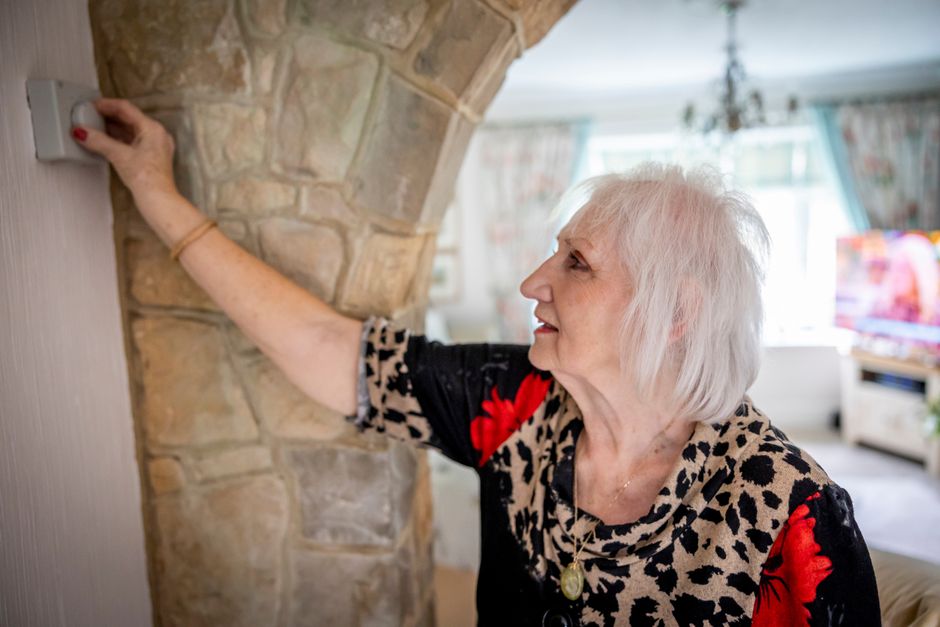
When designing a home for independent living, prioritize simplicity and automation. The most effective devices are those that operate in the background, requiring minimal interaction from the user. A functional smart home should act as a silent partner, assisting with daily routines, medication management, and fall prevention without adding complexity to a senior’s day.
Key Technology Categories
- Voice Assistants: Act as a central hub for the home, allowing users to control lights, thermostats, and locks using only their voice. This is essential for those with limited mobility or dexterity.
- Privacy-First Monitoring: Utilize non-intrusive technology like Wi-Fi sensing plugs. These detect movement by analyzing Wi-Fi signal patterns, alerting caregivers to inactivity without the need for invasive cameras.
- Automated Health Tools: Smart pill dispensers ensure medication adherence by releasing doses at scheduled times and sending alerts to family members if a dose is missed.
Essential Safety and Security Gadgets
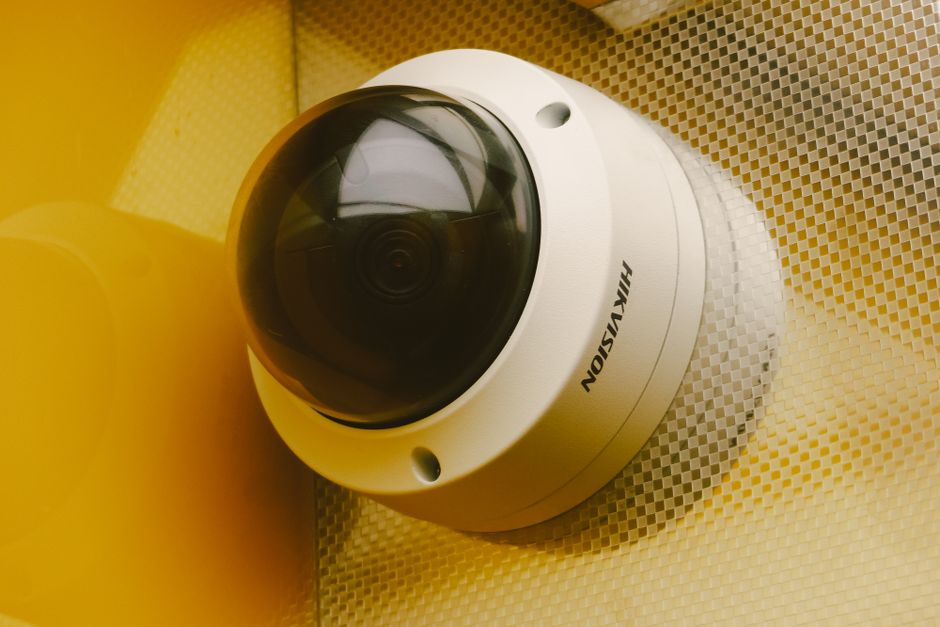
Modern security for seniors focuses on proactive, integrated systems. Rather than relying on traditional alarms, these systems provide immediate assistance and remote access control.
Recommended Security and Safety Devices
| Device Type | Primary Benefit | Safety Impact |
|---|---|---|
| Smart Locks | Remote Access | Allows caregivers or emergency services entry without the senior needing to reach the door. |
| Video Doorbells | Visitor Screening | Helps seniors identify guests or delivery personnel, reducing the risk of scams or unwanted solicitors. |
| Wearable Fall Detection | Emergency Response | Automatically notifies emergency contacts if a fall is detected, often including GPS for location tracking. |
| Smart Lighting | Fall Prevention | Automated night lighting reduces the risk of trips and falls during late-night bathroom trips. |
Frequently Asked Questions
What are the most essential gadgets to start with?
Begin with a reliable Wi-Fi network, a central voice assistant (such as Amazon Alexa or Google Home), and at least one video doorbell. These three items provide the immediate foundation for both security and communication.
How can I monitor my loved one without being intrusive?
Focus on passive monitoring technologies. Wi-Fi sensing and motion sensors provide data on daily activity patterns without the need for cameras, ensuring privacy is maintained while keeping family members informed of their loved one’s well-being.
Are these devices difficult to maintain?
Most modern smart devices are designed for long-term reliability. However, it is recommended to set up remote access for a family member so they can troubleshoot connectivity issues or update settings without requiring the senior to perform technical maintenance.
Conclusion
Technology is a powerful tool for extending the period of independent living, but it should always supplement—not replace—human connection and professional care. When equipping a silver tech home, focus on the user’s comfort and confidence. Start with the basics, such as voice control and automated lighting, and expand the system gradually as needs evolve. By thoughtfully curating these tools, you can ensure your loved ones remain safe, secure, and dignified in their own homes.