
In an era defined by the rapid-fire pace of algorithmic feeds and the pressure of ephemeral content, a quiet revolution is taking place within Generation Z. Young creators are stepping back from the performative nature of mainstream social media, choosing instead to lean into the slow, intentional art of long-form connection. This movement has manifested in the unexpected revival of the zine—traditionally a DIY, print-based medium—now reimagined through a digital lens. By transforming these publications into private, interactive networks, Gen Z is effectively reinventing the concept of the virtual pen pal, trading likes and comments for deep, asynchronous correspondence that prioritizes substance over vanity metrics.
The Shift from Algorithm to Autonomy
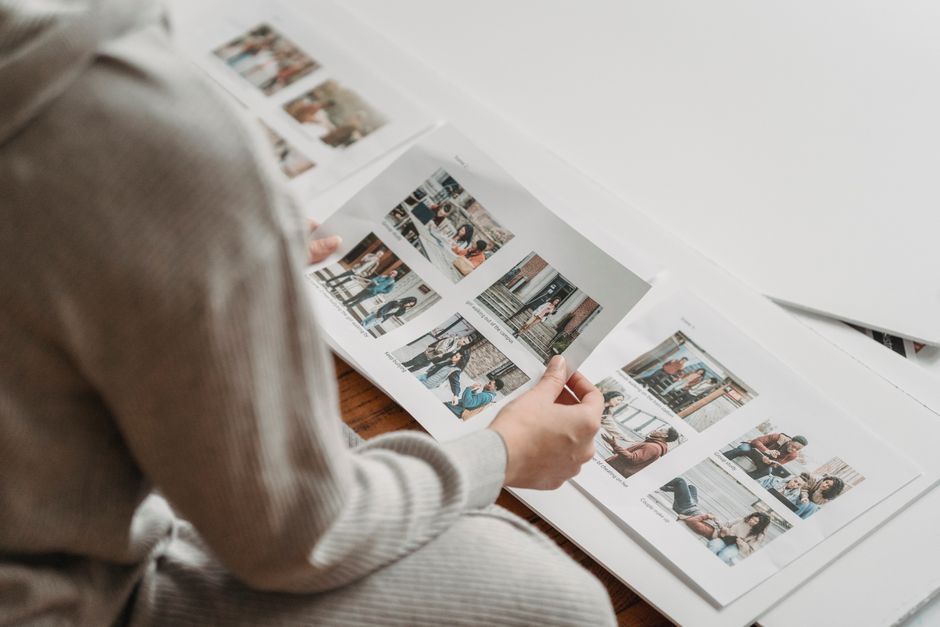
For many young people, the experience of social media has become increasingly exhausting. The constant demand to remain relevant to an algorithm often feels at odds with authentic self-expression. As a result, there is a growing trend toward digital spaces that offer more control. Digital zines serve as a perfect middle ground; they allow creators to curate their thoughts, art, and personal essays in a format that feels deliberate and permanent, yet easily shareable with a select circle of peers.
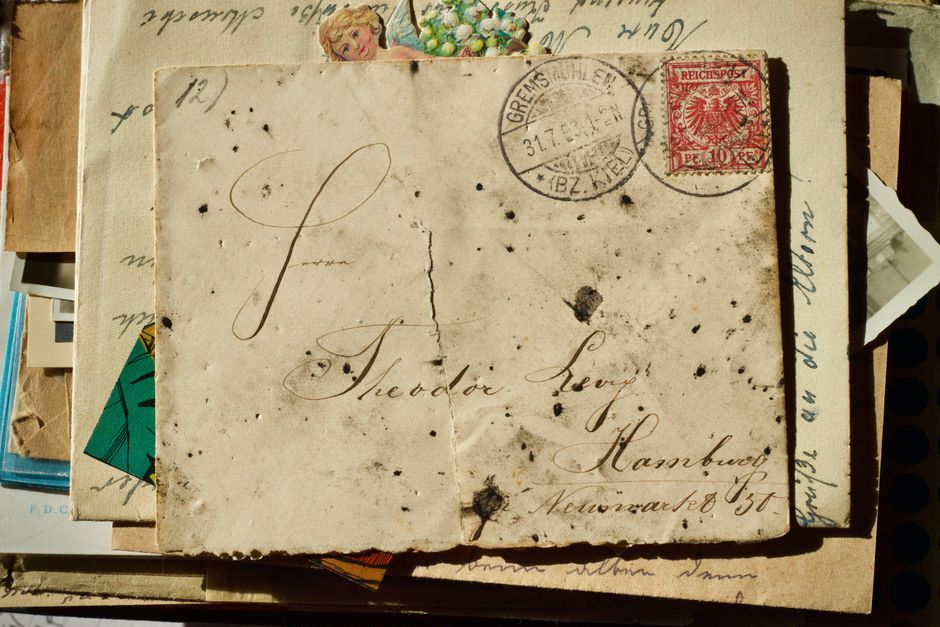
These digital publications are not meant for the masses. Instead, they function as intimate vessels for communication, often distributed via email, Discord servers, or private Notion pages. By bypassing the public comment section, creators are fostering a sense of community that mirrors the traditional pen pal exchange program. It is a return to a more thoughtful mode of communication, where the act of reading a multi-page PDF or a curated newsletter feels like receiving a letter in the mail, rather than scrolling through a noisy feed.
Zines as the New Letter
The modern zine culture among Gen Z draws heavily from the 90s riot grrrl movement, characterized by its lo-fi aesthetic, collage-heavy layouts, and unapologetic sincerity. However, the tools have shifted from scissors and glue to Canva, Notion, and Substack. This digital transformation has lowered the barrier to entry, allowing anyone with a laptop to participate in a global exchange of ideas.
Designing for Connection
The aesthetic appeal of these digital zines is significant, but their primary purpose is relational. When a creator sends a zine to a friend—or a group of international pen friends—they are initiating a conversation that expects a thoughtful response. Unlike a text message or a DM, which often demands an immediate reply, a zine is designed to be digested, reflected upon, and eventually answered in kind. This rhythm of exchange is at the heart of the virtual pen pal experience, providing a reprieve from the burnout associated with constant digital availability.
The Role of Curation
Because these publications are not intended for broad consumption, the content is often more vulnerable and experimental. Creators feel freer to explore complex topics, share personal stories, or showcase creative projects without the fear of being misunderstood by a broad, anonymous audience. This creates a high-trust environment where participants feel safe sharing their work, mirroring the intimacy found in traditional international pen pals for adults.
Building a Global Network of Penfriends
While the concept of the zine is inherently DIY, the digital nature of these projects allows for a truly global reach. Many young creators are now forming networks that span continents, using digital zines to bridge cultural gaps and share perspectives that are rarely represented in mainstream media. Finding like-minded individuals to swap these publications with has become a new form of social networking, one that prioritizes depth over follower counts.
| Feature | Traditional Social Media | Digital Zine Exchange |
|---|---|---|
| Pacing | Instantaneous/Ephemeral | Slow/Intentional |
| Audience | Algorithmic/Public | Curated/Private |
| Goal | Engagement/Reach | Connection/Expression |
| Format | Scrollable Feed | Document/Newsletter |
How to Start Your Own Digital Exchange
For those looking to move beyond the surface level of social media, starting a digital zine or finding a pen pal network is a rewarding endeavor. The process is less about finding a formal service and more about identifying communities that value long-form communication. Whether you are searching for international pen friends or looking to collaborate on a collaborative digital zine, the key is to prioritize platforms that allow for private, direct communication.
When searching for communities, look for niche Discord servers, Substack newsletters with active community threads, or collaborative zine projects on platforms like Instagram or Twitter that specifically solicit submissions via email. The goal is to move the conversation out of the public eye and into a private, asynchronous space where real connection can take root.
Frequently Asked Questions
What is the safest pen pal website for beginners?
While there are many services available, the safest options are those that prioritize user privacy and offer robust moderation. It is often recommended to start by joining existing, reputable communities like International Pen Friends or verified subreddits dedicated to pen pal exchange programs. Always practice digital hygiene by avoiding sharing sensitive personal information until you have established a high level of trust with your correspondent.
Are international pen pals for adults still relevant?
Absolutely. In fact, the interest in international pen pals for adults is seeing a resurgence precisely because people are craving deeper, more meaningful connections in an increasingly digital world. The ability to learn about another culture through a personal, long-form lens remains one of the most enriching experiences available to global citizens.
How do I find a community for digital zine exchanges?
The best way to find these communities is to start by following creators who are already producing zines. Look for creators who include a “contact” or “submissions” section in their digital publications. Many of these creators are part of wider networks or “zine circles” and are often open to connecting with new, like-minded individuals who appreciate the medium.
What makes a zine different from a blog or a newsletter?
While blogs and newsletters are often designed for ongoing, chronological updates, a zine is typically treated as a standalone “issue” or creative project. It has a beginning, a middle, and an end, often featuring a specific theme, aesthetic, or curated set of content. This distinction makes the zine feel more like a gift or a piece of mail, which enhances the intimacy of the exchange.
Conclusion
The revival of long-form communication through digital zines is a testament to the resilience of human connection. By reclaiming the digital landscape from algorithms and focusing on intentional, slow-paced interaction, Gen Z is proving that technology does not have to be a barrier to depth. Whether you are seeking to join an international pen friend network or simply want to create a space for your own creative voice, the shift toward digital zines offers a path back to what really matters: authentic, human-to-human connection. By embracing the principles of zine culture—DIY, community, and sincerity—we can build a more meaningful digital future, one page at a time.