
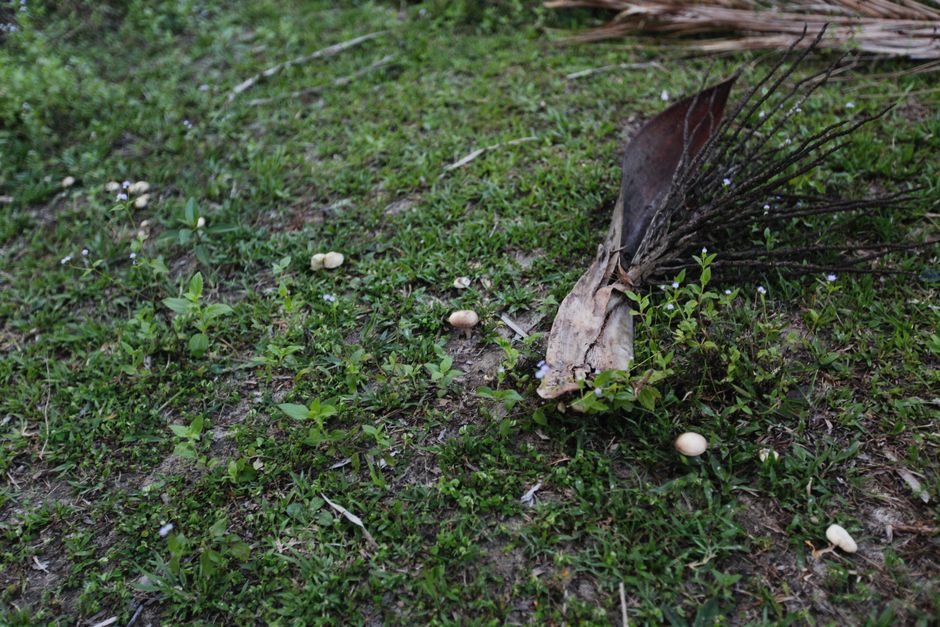
The modern culinary landscape is shifting. As home cooks and professional chefs alike look to reduce their carbon footprint and reconnect with the origins of their ingredients, urban foraging has emerged as a sophisticated, sustainable practice. It is the art of identifying, harvesting, and preparing edible plants that thrive in the cracks of our concrete jungles, parks, and forgotten green corridors. By integrating wild flavors into your kitchen, you are not just cooking; you are participating in a hyper-local food system that turns the city into a productive, living pantry.
The Foundations of Ethical Urban Foraging
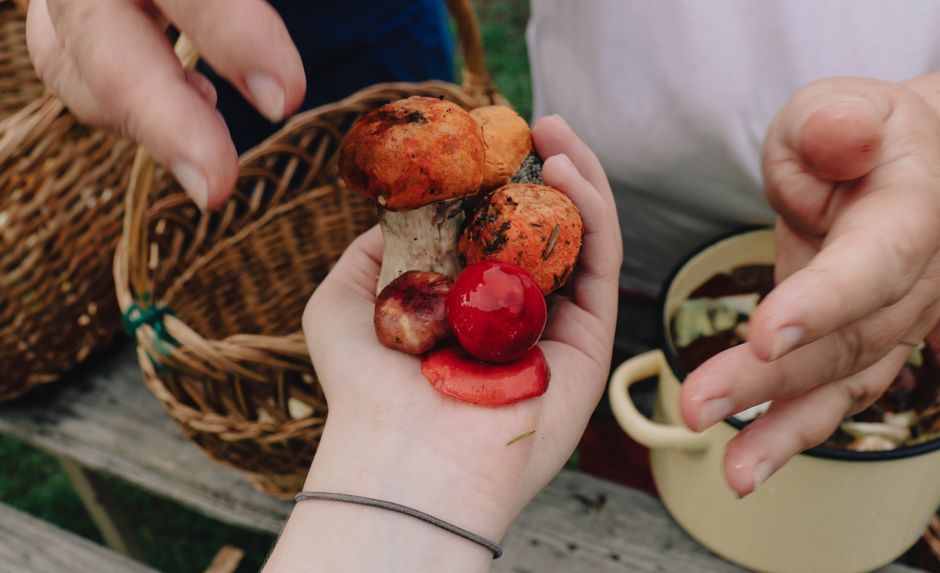
Before you step outside with a harvest basket, it is essential to understand that foraging in a city requires a different set of ethics than foraging in the deep wilderness. Because urban environments are heavily influenced by human activity, your primary responsibility is to ensure the safety of your harvest and the health of the ecosystem.
Legal and Safety Prerequisites
The first step is always checking local laws. Many municipal parks have specific bylaws prohibiting the removal of vegetation, while others may encourage the management of invasive species. Always verify whether the land you intend to forage is public or private. If it is private, explicit permission from the landowner is non-negotiable. Furthermore, safety must be your priority. Avoid areas near heavy traffic, industrial zones, or sites with a history of chemical dumping, as plants can absorb heavy metals and pollutants from the soil. When in doubt, leave the plant behind.
The Sustainability Mindset
Sustainable urban foraging is built on the philosophy of abundance. Never harvest more than 20 percent of a patch, ensuring the plant population remains healthy and capable of reproducing. When you harvest, consider the local wildlife; many city insects and birds rely on these same plants for survival. By being a mindful steward of the landscape, you ensure these resources remain available for future seasons.
Seasonal Identification and Harvesting
Urban landscapes are surprisingly biodiverse. A successful forager learns to read the seasons, understanding that different plants provide distinct culinary profiles throughout the year.
Spring: The Awakening
Spring is the season of tender greens. This is when you will find dandelions and chickweed at their peak. Dandelion greens, when harvested before the plant flowers, offer a sophisticated bitterness that pairs beautifully with acidic dressings. Chickweed, a delicate and mild herb, is excellent in salads or as a fresh garnish for soups.
Summer: Robust Flavors
As the weather warms, look for purslane. This succulent, often dismissed as a common weed, is a nutritional powerhouse rich in omega-3 fatty acids. Its lemony crunch is a fantastic addition to summer stir-fries or yogurt-based dressings. During this time, you may also encounter plantain—not the banana relative, but the hardy green with ribbed leaves. Its medicinal properties are well-documented, but in the kitchen, young plantain leaves can be sautéed like spinach.
Autumn and Winter: Roots and Seeds
As the growing season winds down, focus on root vegetables and seeds. Wild garlic, which often begins its cycle in late winter or early spring, can be harvested for its pungent bulbs. Learning to identify these species requires a reliable field guide or a locally cited botanical resource. Always use multiple identification markers—leaf shape, stem texture, and growth habit—to distinguish your target plant from toxic look-alikes.
Culinary Applications: Bringing the Wild Indoors
The goal of foraging urban environments is to elevate simple, wild ingredients into memorable meals. The key is to treat these plants with the same respect you would afford high-end produce from a farmers’ market.
| Plant | Flavor Profile | Best Culinary Use |
|---|---|---|
| Dandelion | Bitter and earthy | Sautéed with garlic or in a warm vinaigrette |
| Chickweed | Mild, sweet, and grassy | Raw in salads or as a sandwich topper |
| Purslane | Bright, lemony, and crunchy | Pickled or added to chilled cucumber soup |
| Plantain | Mild, herbaceous | Steamed or added to hearty stews |
When cooking with wild ingredients, start by keeping the preparations simple. A quick blanching can soften the texture of tougher leaves, while raw preparation preserves the delicate volatile oils in herbs like chickweed. By experimenting with these flavors, you will begin to understand the distinct terroir of your city—the subtle differences in taste between plants grown in different neighborhoods or soil types.
Frequently Asked Questions
How can I ensure the soil I am foraging from is safe?
The best way to ensure safety is to avoid foraging in areas where the soil may be contaminated. This includes land near busy roads, old factories, or areas where synthetic pesticides are used by city maintenance crews. If you are unsure, consider using raised beds or containers for your own gardening, or stick to foraging from elevated structures where plants have less direct contact with potentially contaminated ground soil.
What is the most common mistake beginners make?
The most common mistake is misidentification. Never consume a plant unless you are 100 percent certain of its identity. Beginners should start with one or two very common, easily recognizable species, such as dandelions, and master those before expanding their repertoire. Always cross-reference your findings with at least two credible sources.
Do I need special tools for urban foraging?
You do not need an extensive kit. A sturdy pair of shears, a small hand trowel for harvesting roots, and a breathable basket or cloth bag are usually sufficient. Plastic bags should be avoided as they can cause plants to wilt or sweat, leading to rapid decay.
Is it really sustainable to forage in the city?
Yes, provided you practice restraint. Urban environments are often dominated by non-native or invasive species that can actually benefit from being harvested. By removing these plants, you create space for native biodiversity to flourish. Sustainability is about balance; as long as you take only what you need and leave the population to thrive, your impact remains positive.
Conclusion
Urban foraging is more than just a way to source free food; it is a profound exercise in observation and environmental awareness. It forces us to slow down, look at the cracks in the pavement, and recognize the resilience of nature within our own backyards. By learning to identify and prepare edible wild plants, you gain a deeper appreciation for the cycles of the seasons and the hidden potential of your city. Whether you are adding a handful of fresh chickweed to your morning smoothie or sautéing wild greens for a dinner side dish, you are participating in a timeless human tradition—reimagined for the modern urban landscape. Start small, stay curious, and always prioritize the health of the environment you are harvesting from.