The digital landscape is undergoing a quiet but seismic shift. For years, the convenience of the cloud—Google Photos, iCloud, Spotify, and Netflix—was the undisputed gold standard for how we consume and store our digital lives. However, a new wave of skepticism is rising among Gen Z. Tired of the “subscription trap” and increasingly wary of how their personal data is harvested, analyzed, and monetized by tech giants, younger users are turning back to the hardware. This movement, often characterized by the rise of self-hosting, is transforming how we think about digital ownership, privacy, and the true cost of convenience.
The Death of Subscription Fatigue

For many young adults, the realization that they own nothing has become a primary driver for change. When you pay a monthly fee for a streaming service or a cloud storage tier, you are essentially renting access to your own digital footprint. Should you stop paying, or should the company decide to change its terms of service, your access can be revoked in an instant. This is known as account lockout, and it is a terrifying prospect for a generation that has grown up with their entire lives stored in the cloud.
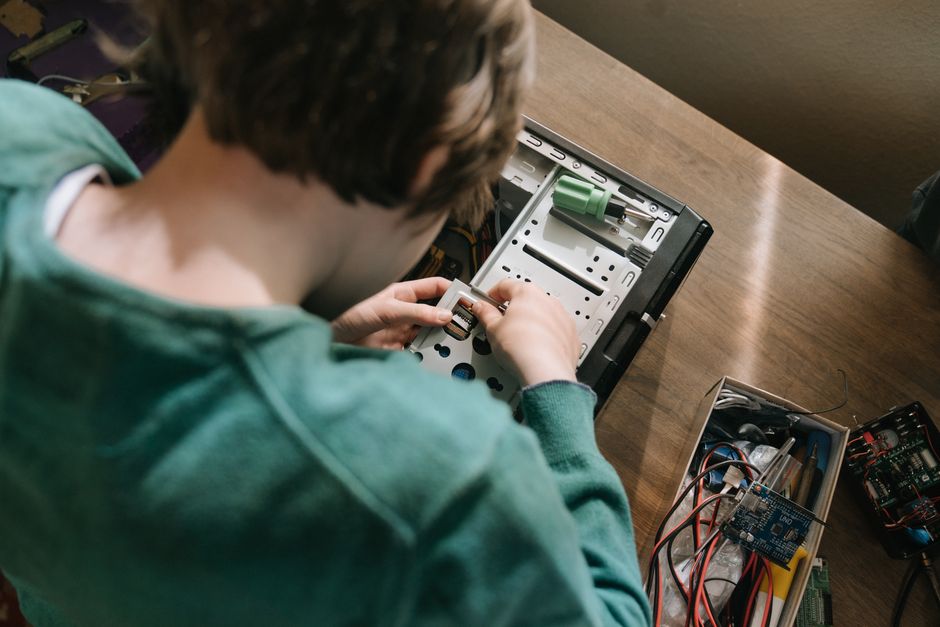
Subscription fatigue is not just a financial burden; it is a psychological one. Managing a dozen monthly payments for various services is exhausting. Gen Z is leading the charge in rejecting this model, opting instead for a one-time investment in hardware. By purchasing a NAS (Network Attached Storage) device or repurposing an old laptop, users are reclaiming their financial independence. Once the hardware is paid for, the monthly cost drops to near zero, save for a negligible increase in electricity usage.
What is the Personal Cloud Movement?
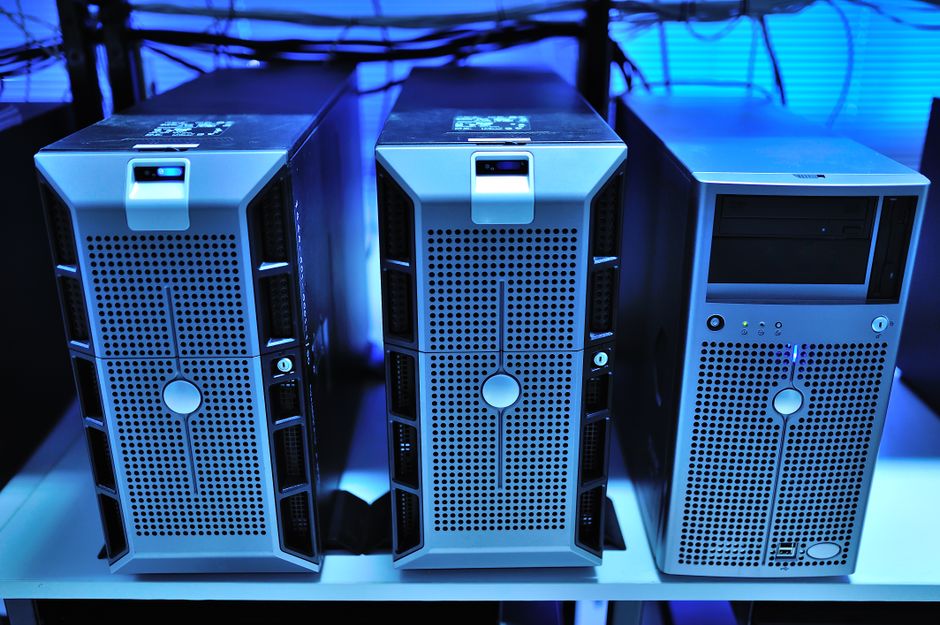
The personal cloud is essentially the modern, user-friendly evolution of the home server. In the past, hosting your own data required a degree in computer science and the patience to manage complex Linux command lines. Today, that barrier to entry has been dismantled by intuitive self hosted software platforms. Tools like CasaOS, Umbrel, and Nextcloud have turned the complex process of server management into a “one-click” experience that rivals the interface of any mainstream app.
The Hardware Behind the Shift
The movement is powered by accessible hardware that fits into any apartment or bedroom. A Raspberry Pi—a credit-card-sized computer—is often the entry point for many beginners. For those who need more power, pre-built NAS solutions from brands like Synology or custom builds using older PCs provide massive storage capacity. These devices act as the central hub for your digital life, allowing you to access photos, documents, and media from anywhere in the world without relying on a corporate intermediary.
The Cultural Trend of De-Googling
If you search for tutorials on TikTok or Reddit, you will find a thriving community dedicated to “de-googling.” This is more than just a tech trend; it is a cultural stance. By migrating away from Google, Apple, and Microsoft, users are ensuring that their data remains private. In a self-hosted environment, you are the administrator. There is no data mining, no targeted advertising based on your private documents, and no risk of a third-party company selling your habits to the highest bidder.
Comparing Cloud Giants vs. Self-Hosting
To understand why this shift is gaining momentum, it is helpful to look at how the two models compare across key categories that matter to the average user.
| Feature | Corporate Cloud Services | Self-Hosted Personal Cloud | |
|---|---|---|---|
| Monthly Cost | High (Recurring) | Low (One-time hardware) | |
| Data Privacy | Low (Monetized by provider) | High (Controlled by user) | |
| Ownership | Rented access | Complete physical control | |
| Maintenance | Automated by provider | Manual updates/backups | |
| Reliability | Dependent on internet/provider | Dependent on home network |
Why Gen Z is Leading the Charge
Gen Z grew up as “digital natives,” but they are also the first generation to witness the limitations of the cloud-first era. They have seen platforms shut down, accounts banned without recourse, and privacy policies updated to the detriment of the user. There is a growing desire for digital sovereignty. This generation values the ability to “own” their content—whether that is a high-resolution photo collection, a media library, or a personal code repository. By keeping their data self-contained, they are future-proofing their digital existence against the whims of tech conglomerates.
FAQ: Understanding the Self-Hosted Future
Are people moving away from cloud storage?
Yes. While cloud storage remains popular for casual users, a growing segment of the population is migrating toward hybrid or fully self-hosted solutions. This is driven by both privacy concerns and a desire to avoid the rising costs of monthly storage subscriptions.
Why is Gen Z quietly leaving social media?
Gen Z is not necessarily leaving the internet, but they are leaving the centralized, algorithm-heavy social platforms. They are shifting toward decentralized alternatives and private digital spaces where they can interact with friends without the interference of corporate algorithms or invasive surveillance.
Can you host your own cloud?
Absolutely. With modern software like CasaOS or Nextcloud, you can turn a simple home computer or a dedicated NAS device into a private cloud. You can sync your files, store your photos, and even stream your own media collection, all while keeping your data within your own four walls.
What technology does Gen Z use the most?
While smartphones remain the primary tool, there is a marked increase in the adoption of “privacy-first” tech. This includes encrypted messaging apps, hardware security keys, and, increasingly, home servers and personal cloud hardware that prioritize local storage over remote cloud reliance.
Conclusion: The Path to Digital Independence
The rise of self-hosting is not a temporary fad; it is a logical response to the over-commercialization of our personal data. As Gen Z continues to prioritize privacy and financial control, the hosting of personal data will likely become as common as building a custom PC was for previous generations. By taking self-reliance into their own hands, users are not just saving money or avoiding subscriptions—they are reclaiming the internet as a space that serves them, rather than a space where they are the product. Whether you start with a single Raspberry Pi or a dedicated home server, the journey to a personal cloud is the first step toward true digital freedom.