
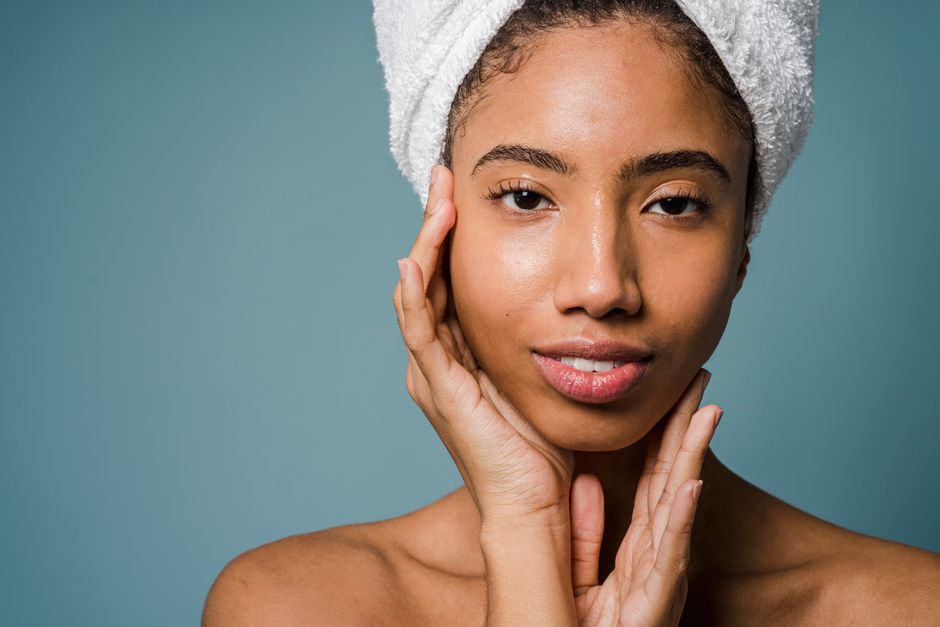
The beauty industry has long focused on the superficial: smoothing fine lines, hydrating parched cells, and brightening dull complexions. However, a seismic shift is currently underway as the industry pivots toward the profound connection between our mental state and our physical appearance. Enter the world of neurocosmetics, an emerging field that promises to transcend traditional skincare by addressing the skin-brain axis. From brain to skin: neurocosmetics pave the way into a no-cosmetics future, suggesting that our daily beauty rituals might soon function as therapeutic practices for both the mind and the dermis.
Understanding the Skin-Brain Axis

To understand neurocosmetics, one must first recognize the biological reality of the skin-brain axis. The skin is not merely a protective envelope; it is the largest sensory organ in the human body, intricately linked to the nervous system. During embryonic development, both the skin and the brain originate from the same ectodermal tissue. This shared lineage explains why our skin reacts so viscerally to stress—the cortisol spike that triggers a breakout or the redness that flares during moments of anxiety.
Neuroactive cosmetics are designed to intervene at this intersection. By utilizing specific ingredients that interact with the nerve endings in the epidermis, these products aim to soothe the skin by calming the nervous system, or conversely, to uplift the mood through sensory stimulation. It is a holistic approach that treats the skin not just as a canvas, but as a communication hub between our environment and our internal well-being.
The Science of Mood-Boosting Ingredients
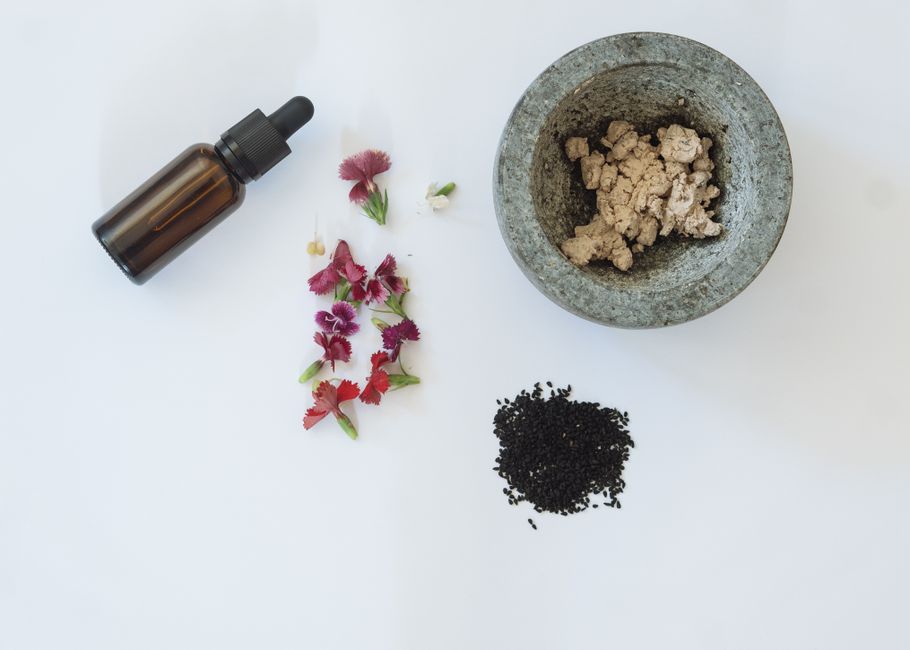
The core of the neurocosmetics movement lies in its innovative ingredients. While traditional skincare relies on exfoliants and humectants, neurocosmetics incorporate specialized agents aimed at modulating neurotransmitters and neuropeptides. These chemical messengers are the language of the nervous system, and proponents of this new science believe they can be influenced topically.
Serotonin and Beta-Endorphins
One of the most ambitious goals of current neurocosmetics brands is the stimulation of “feel-good” chemicals. For example, some products incorporate griffonia extract, which contains 5-HTP, a precursor to serotonin. The logic is that by introducing these precursors, the skin can achieve a more radiant, “happy” appearance. Similarly, brands like Justhuman and Selfmade have explored the use of ingredients designed to stimulate beta-endorphins. Often referred to as the body’s natural painkillers, beta-endorphins help counteract the damaging effects of cortisol, the stress hormone that is known to accelerate skin aging and trigger inflammation.
The Sensory Experience: Textures and Aromas
Neurocosmetics go beyond mere chemical application; they involve a sensory experience that encompasses neuro-fragrances and neuro-textures. The olfactory system has a direct line to the limbic system, the part of the brain responsible for emotion and memory. By incorporating scents that are scientifically formulated to evoke feelings of serenity or harmony, brands are creating a ritualistic experience. These neuro-textures are designed to trigger tactile sensations that signal safety and comfort to the brain, effectively lowering the user’s stress levels during their morning or evening routine.
The Reality of Efficacy: A Measured Perspective
While the marketing behind neurocosmetics is undeniably compelling, it is crucial to maintain a scientific perspective. Industry experts, such as Dr. Angela Lamb, an associate dermatology professor at the Icahn School of Medicine at Mount Sinai, point out a significant gap in the current research. While oral ingestion of certain plant extracts is proven to influence mood, there is a lack of rigorous, double-blind, placebo-controlled studies confirming that topical application can effectively boost systemic serotonin or beta-endorphin production.
The skin is an excellent barrier, which is its primary evolutionary function. Getting active molecules to penetrate deep enough to influence the nervous system is a significant challenge. However, the potential for local effects—such as reducing nerve-end sensitivity to calm reactive skin—remains a highly promising area of dermatological research. Consumers should view these products as a bridge between self-care and skincare, acknowledging that while the mood-boosting effects may be largely psychological or sensory-driven, the act of intentional, calming skincare is a valid wellness practice in its own right.
FAQ: Common Questions About Neurocosmetics
Is Neuraé owned by Sisley?
Yes, NEUR|AÉ is a brand under the umbrella of the Sisley group. The brand was created to lean heavily into the intersection of neuroscience and skincare, focusing on the development of products that utilize neuro-ingredients, neuro-fragrances, and neuro-textures to influence the user’s emotional state.
What is neurocosmetics?
Neurocosmetics is a category of beauty products formulated to interact with the skin-brain axis. These products aim to bridge the gap between mental and dermatological health by using active ingredients, scents, and textures that signal the nervous system to produce specific biological or emotional responses, such as stress reduction, relaxation, or mood enhancement.
Which makeup brands have endocrine disruptors?
The term endocrine disruptor refers to chemicals that may interfere with the body’s hormonal systems. Many legacy beauty brands have faced scrutiny for ingredients such as certain phthalates, parabens, and synthetic musks. Because regulations vary significantly by country, there is no single list of “offending brands.” Consumers concerned about endocrine disruptors should look for “clean” beauty certifications, third-party testing, and ingredient transparency labels, while avoiding products containing ingredients like triclosan, oxybenzone, or BHA/BHT.
What is the #1 skincare in the world?
There is no objective, scientific consensus on the “number one” skincare brand, as the answer depends on whether the metric is global sales, consumer satisfaction, or dermatological recommendations. Major multinational conglomerates like L’Oréal, Estée Lauder, and Procter & Gamble consistently top the market share rankings. However, the “best” skincare is highly subjective and depends on individual skin type, concerns, and personal preferences.
Conclusion
Neurocosmetics represent a fascinating evolution in how we conceive of beauty rituals. By acknowledging that the skin and the brain are inextricably linked, the industry is moving toward a more holistic future. Whether or not these products can definitively rebalance our internal chemistry, they offer a meaningful way to integrate mindfulness into our daily lives. As the science of neuroactive cosmetics continues to mature, we can expect more rigorous research to clarify the extent to which these ingredients can influence our physiology. Until then, the rise of these products serves as a reminder that the healthiest skin is often the skin of a person who feels balanced, calm, and cared for.