
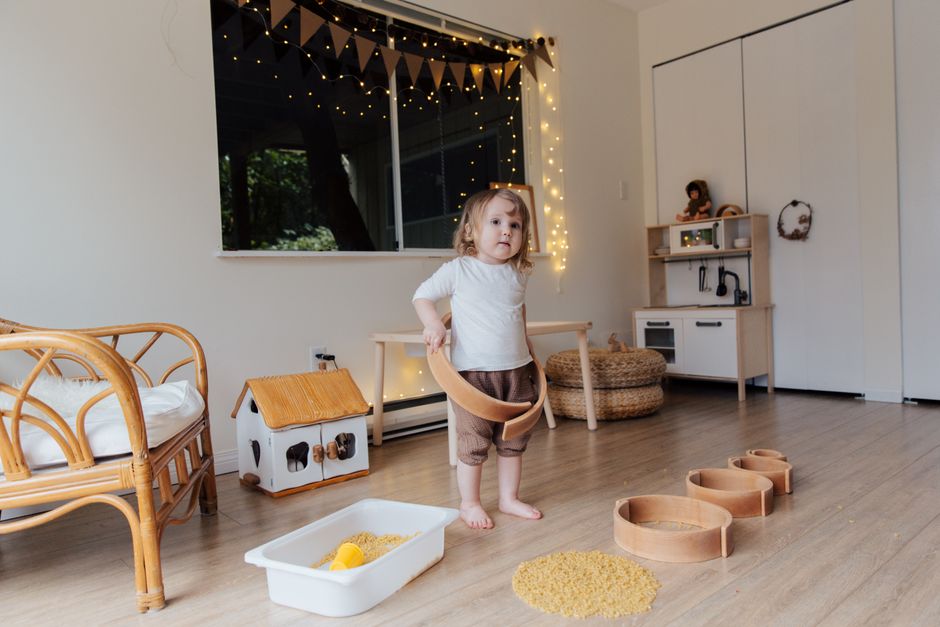
Designing a nursery or playroom that keeps pace with a rapidly growing toddler is a challenge that every parent faces. As children transition from the immobile stage of infancy to the active, exploratory years of toddlerhood, their spatial needs shift dramatically. Traditional nursery furniture is often discarded once a child outgrows it, leading to unnecessary waste and constant re-furnishing. However, a new wave of modular, Montessori-inspired design is changing the landscape. By focusing on adaptability, sustainability, and the child’s innate drive for independence, parents can create a playroom that evolves alongside their child rather than requiring a complete overhaul every few years.
The Philosophy of Adaptable Play-Architecture
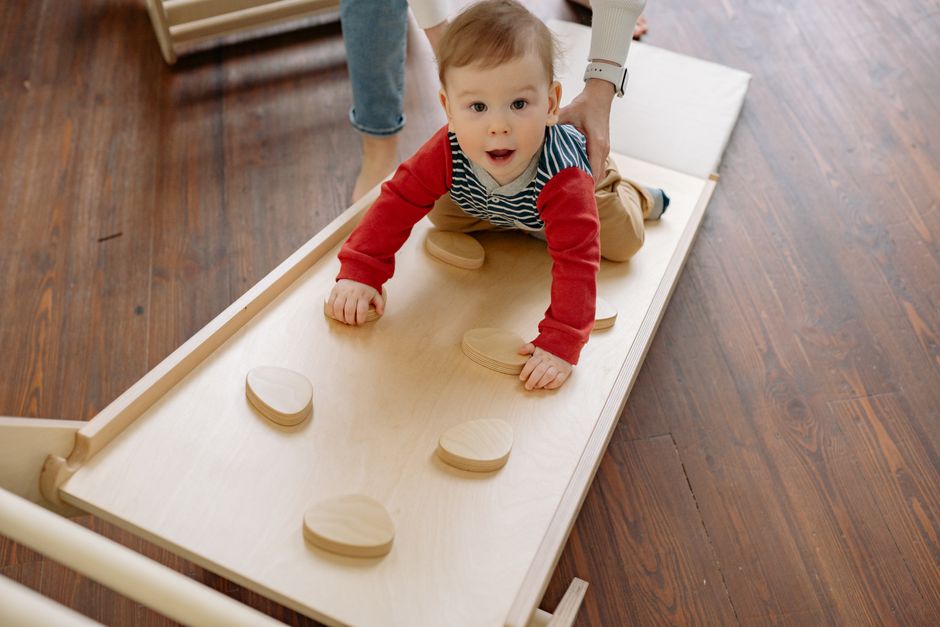
At the heart of the Montessori approach is the belief that an environment should be “prepared” to support a child’s development. This means everything in the room should be accessible, safe, and scaled to the child’s physical capabilities. When furniture is designed with modularity in mind, it transforms from a static object into a system. Brands like MoveMi, Lila, and Bloon Toys are leading this shift, treating furniture as a dynamic architectural element rather than a collection of fixed pieces.
Modular furniture is rooted in the concept of future-proofing. Instead of buying a crib that becomes obsolete at eighteen months, modern designs offer 4-in-1 solutions that function as a crib, a playpen, a floor bed, and eventually a sofa or youth bed. This approach respects the environment by reducing waste and respects the family budget by offering longevity. By selecting pieces that can be reconfigured—adding legs, changing panels, or shifting storage units—parents provide a consistent, comforting environment that grows with their toddler.
Why Montessori-Inspired Design Matters for Development

The Montessori method emphasizes autonomy. When a child can reach their own books, select their own toys, and climb into their own bed without adult intervention, they develop a sense of agency. Inspired by these principles, modular furniture is specifically proportioned to a child’s body and reach. This is not just about aesthetics; it is about cognitive and motor development.
When a toddler is surrounded by low-profile, accessible shelves, they learn to make choices and, crucially, to tidy up after themselves. This builds executive function skills early on. Accessible storage turns the act of organization into a form of play. When a child knows exactly where their blocks go, they are more likely to engage in independent, deep work. High-quality, natural materials—such as wood, wool, and rattan—further enhance this experience by providing a sensory-rich, calm environment that avoids the overstimulation often found in plastic-heavy, mass-produced children’s rooms.
Key Features of Modular Play-Architecture
The Foundation: Sleeping Spaces that Evolve
The transition from crib to bed is often a milestone fraught with anxiety for parents. Modular systems mitigate this by offering floor beds that can be adapted with safety rails or elevated legs as the child matures. By keeping the bed at a low height, the child maintains the freedom to enter and exit their sleep space independently, which aligns perfectly with the Montessori philosophy of fostering self-reliance from the first steps.
Storage as a Learning Tool
Open, accessible storage is the backbone of a successful playroom. Look for modular shelving units that can be expanded horizontally or vertically as your collection of toys and books grows. Using furniture that allows for “spine-forward” book display invites the child to engage with literature on their own terms. When storage is modular, you can rotate toys based on your child’s current interests, keeping the space uncluttered and focused without needing to discard furniture.
Multi-Functional Activity Zones
Modern kids furniture often serves dual purposes. A kitchen tower that transitions into a desk, or a climbing frame that can be reconfigured into a sensory table, maximizes the utility of limited floor space. These pieces encourage movement-based play, supporting gross motor development while simultaneously providing a dedicated station for creative tasks like drawing or building.
Designing a Sustainable and Stylish Room
Creating a beautiful, functional space does not mean you have to sacrifice style for utility. Many contemporary designers are bridging the gap between high-end interior design and child-centric needs. By choosing a neutral color palette and high-quality craftsmanship, your furniture can transition seamlessly from a nursery to a toddler’s room, and eventually into a space that reflects a school-aged child’s personality.
When selecting pieces, consider the “system” approach. Can this dresser be combined with a wardrobe later? Can the height of this table be adjusted to accommodate a growing child’s knees? Investing in modular pieces that are built to last—and perhaps even to be handed down to siblings—is a hallmark of conscious parenting. It reduces the “disposable” culture of childhood furniture and teaches children the value of maintaining their belongings.
Frequently Asked Questions
What is the benefit of modular furniture for a toddler?
Modular furniture allows you to adapt the room’s layout to your child’s changing physical and developmental needs. It fosters independence by ensuring that everything—from the bed to the storage shelves—is accessible, which empowers the child to manage their space, build confidence, and take ownership of their daily routines.
How do I start creating a Montessori-inspired space on a budget?
You do not need to replace everything at once. Start by focusing on the “low and accessible” rule. Remove closet doors or use low, open bins to store toys at the child’s level. Invest in one or two high-quality, adaptable pieces, such as a convertible shelf or a floor bed, and build your collection slowly as your child’s needs change.
At what age should I start incorporating Montessori-inspired furniture?
You can introduce these principles from birth. Even for infants, a floor bed or a low-hanging mirror and movement mat creates a space that respects their curiosity. As they begin to crawl and walk, the modular nature of the furniture allows you to shift from a “safe containment” model to an “exploratory” model naturally.
Are natural materials necessary for this design style?
While not strictly required, natural materials like wood, rattan, and cotton are preferred in Montessori-inspired design because they provide a calming, sensory-rich experience. They are also generally more durable and safer than many synthetic alternatives, making them a better investment for furniture that you intend to use for several years.
Conclusion
Investing in modular play-architecture is more than just a logistical decision; it is a commitment to supporting your child as they navigate the world. By curating a room that is flexible, accessible, and intentionally designed, you provide the foundation for a lifetime of curiosity and independence. Whether through a convertible floor bed or a reconfigurable storage system, the goal is to create a space that feels like it belongs to the child, not just the adults. When we design environments that grow with our kids, we create more than just a bedroom—we create a sanctuary for learning, discovery, and growth that will serve them through every stage of their early life.