
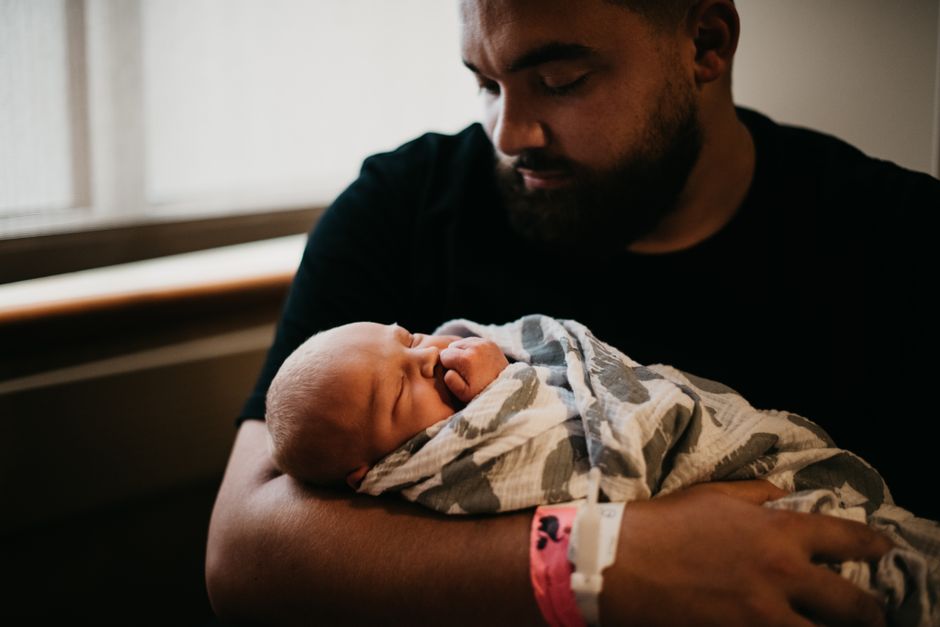
The transition into fatherhood is often framed as a test of endurance, where sleepless nights and heightened stress are treated as inevitable rites of passage. While the physical and emotional demands of a newborn are undeniably intense, the modern approach to fatherhood does not have to be a blind slog through exhaustion. By leveraging wearable technology, today’s dads can move beyond merely surviving the first year and begin to treat their physiological recovery with the same precision they apply to their professional or fitness goals. Utilizing biofeedback to monitor sleep architecture and stress levels is not about obsessing over data; it is about reclaiming agency over your health so you can show up as the best version of yourself for your baby and your partner.
The Physiological Reality of New Fatherhood

Parental sleep deprivation is more than just feeling tired; it is a clinical disruption of your body’s homeostasis. When you are waking up every three hours for feedings or soothing, your sleep cycles are fragmented. This prevents your brain from completing necessary REM and deep sleep cycles, which are vital for cognitive function, emotional regulation, and hormonal balance. For many dads, this chronic lack of rest leads to elevated cortisol levels, which can manifest as irritability, brain fog, and a diminished capacity to handle the routine stressors of life with a newborn.
The shift toward using wearables like Oura, Whoop, or high-end smartwatches offers a way to quantify this impact. By tracking Heart Rate Variability (HRV), these devices provide a window into how your nervous system is handling the load. A consistently low HRV is a clear physiological signal that your body is struggling to recover from the cumulative stress of parenthood. Understanding these metrics allows you to stop guessing how you feel and start acting on what your body actually needs.
Data-Driven Recovery: How Wearables Help Dads
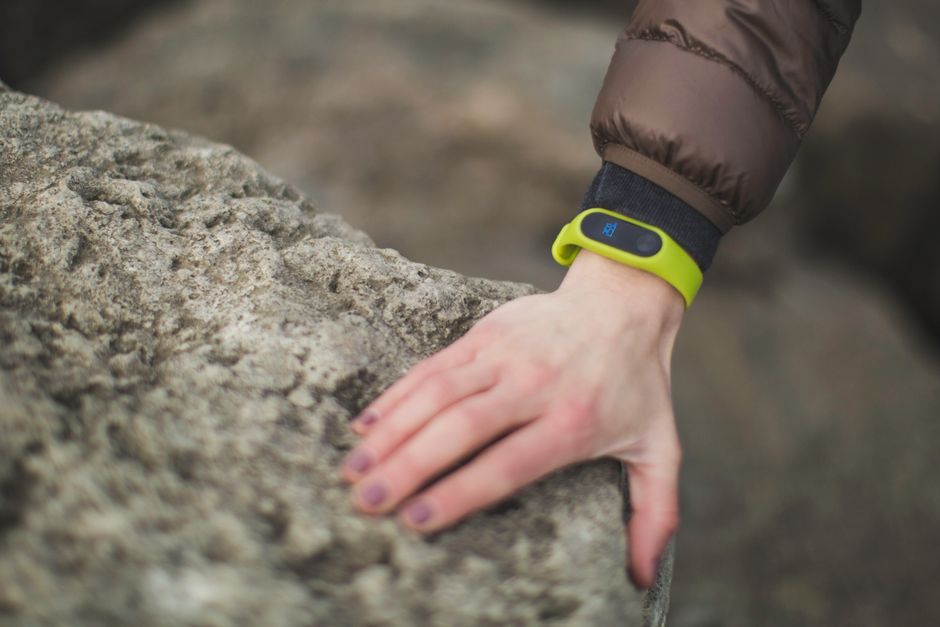
The goal of using tech is not to turn your life into a spreadsheet, but to identify the small, actionable adjustments that lead to significant improvements in your well-being. When you know exactly how much deep sleep you are getting, you can optimize your limited recovery windows more effectively.
Identifying Stress Triggers
Wearables act as a neutral observer of your daily routine. You might find that your stress levels spike during the evening witching hour or during specific work-from-home tasks. By correlating your stress data with your daily schedule, you can identify patterns that contribute to your burnout. Perhaps a 10-minute walk after the baby goes down or a brief breathing exercise during a nap window is the difference between a high-stress evening and a manageable one. Biofeedback helps you see the direct physiological impact of these small interventions, making them easier to prioritize.
Optimizing Sleep Architecture
Since long, uninterrupted nights are a luxury of the past during the early months, you must prioritize sleep quality over quantity. Wearable tech can highlight how factors like late-night screen time, caffeine consumption, or room temperature affect your sleep efficiency. If your data shows that your deep sleep is plummeting when you consume caffeine after 2:00 PM, you have a concrete reason to adjust your habits. The best tech for dads is the kind that offers actionable insights rather than just raw numbers.
Comparing Wearable Options for Modern Dads
Choosing the right device depends on your lifestyle and what specific data points you find most useful. Below is a breakdown of how the most popular options compare for the needs of a new parent.
| Device | Core Strength | Best For |
|---|---|---|
| Oura Ring | Discreet, high-accuracy sleep tracking | Dads who want data without a bulky screen |
| Whoop 4.0 | Recovery and strain coaching | Dads focused on balancing fitness and fatigue |
| Apple Watch | Comprehensive health ecosystem | Dads who need notifications and connectivity |
Bridging the Gap: From Data to Presence
It is important to remember that the data is only as good as your reaction to it. The purpose of this technology is to facilitate better fatherhood, not to create another source of stress. If your wearable tells you that you had a poor night of sleep, do not spiral into anxiety about your performance. Instead, use that information to adjust your expectations for the day. If you know your recovery is low, it might be the day to delegate a task to a family member or prioritize a nap over an hour of scrolling on your phone. This is the essence of precision fatherhood: making intelligent, data-informed decisions that keep you present and capable.
Frequently Asked Questions
Is it really necessary for dads to track sleep?
While not strictly necessary, tracking provides an objective view of your health that is often masked by the adrenaline of being a new parent. Many dads do not realize they are on the verge of burnout until it is too late. Tracking allows for early intervention, helping you manage stress before it impacts your relationship with your partner or your ability to care for the baby.
Which wearable is the best baby-safe option?
If you are concerned about bulk or hardware while handling a newborn, the Oura Ring is widely considered the best option. It is low-profile, lacks a distracting screen, and is less likely to accidentally scratch or bump the baby compared to a large wristwatch. It provides comprehensive sleep and stress data without requiring constant interaction.
Can this data help with postpartum depression in men?
Yes, research suggests that monitoring physiological indicators like HRV can help identify when a father is under extreme chronic stress. While wearables cannot diagnose mental health conditions, they can provide the data necessary to recognize when your stress levels are consistently outside of your normal range, prompting you to seek support or professional help earlier than you might have otherwise.
Does this tech actually improve my relationship with my baby?
Absolutely. When you are physiologically regulated, you are more patient, more attentive, and better equipped to handle the emotional challenges of fatherhood. By using tech to manage your own stress and recovery, you are effectively investing in your ability to be a more engaged and present father.
Conclusion
Precision fatherhood is about adopting a mindset of intentionality. By utilizing wearable technology to monitor sleep and stress, you are not just tracking metrics; you are investing in your long-term health and your capacity to be the best father possible. The first year of your baby’s life is a marathon, not a sprint. By listening to what your body is actually telling you—rather than just pushing through the fatigue—you can navigate the transition into fatherhood with greater resilience and clarity. Embrace the data, optimize your recovery, and focus on what truly matters: the time you spend with your growing family.