
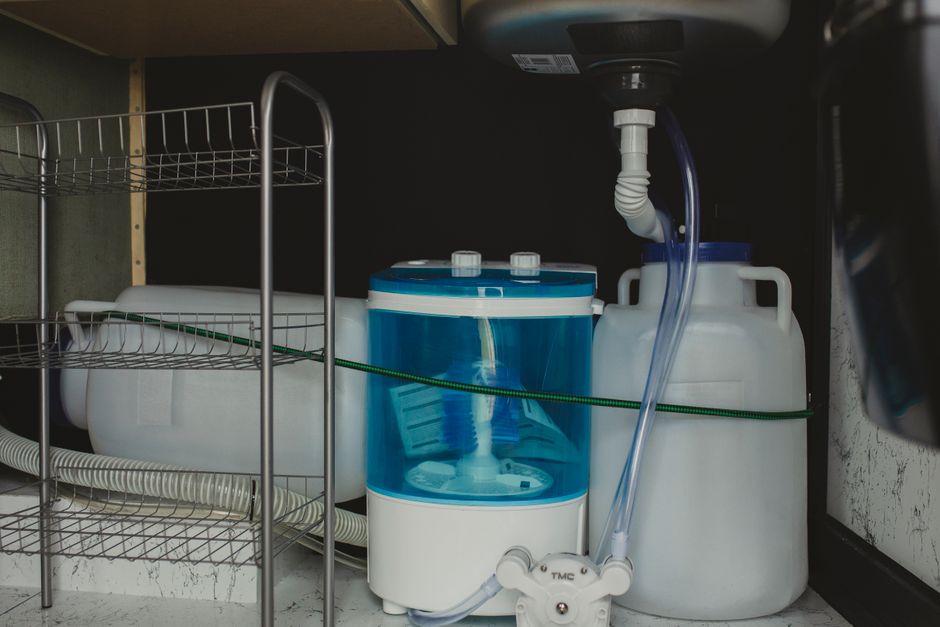
For the modern home cook, the journey from seed to plate is often a disconnected experience. However, a growing movement in urban agriculture is bridging this gap by bringing the farm directly into the kitchen. Upcycled aquaponics is a revolutionary approach to home food production, creating a symbiotic ecosystem where fish and plants thrive in a shared, closed-loop environment. By repurposing materials, you can reduce the upcycled aquaponics building a symbiotic kitchen garden cost while producing fresh, organic greens and protein right on your countertop or patio. This system mimics natural cycles, where fish waste provides essential nutrients for plants, and plants, in turn, filter the water for the fish.
Understanding the Aquaponic Ecosystem
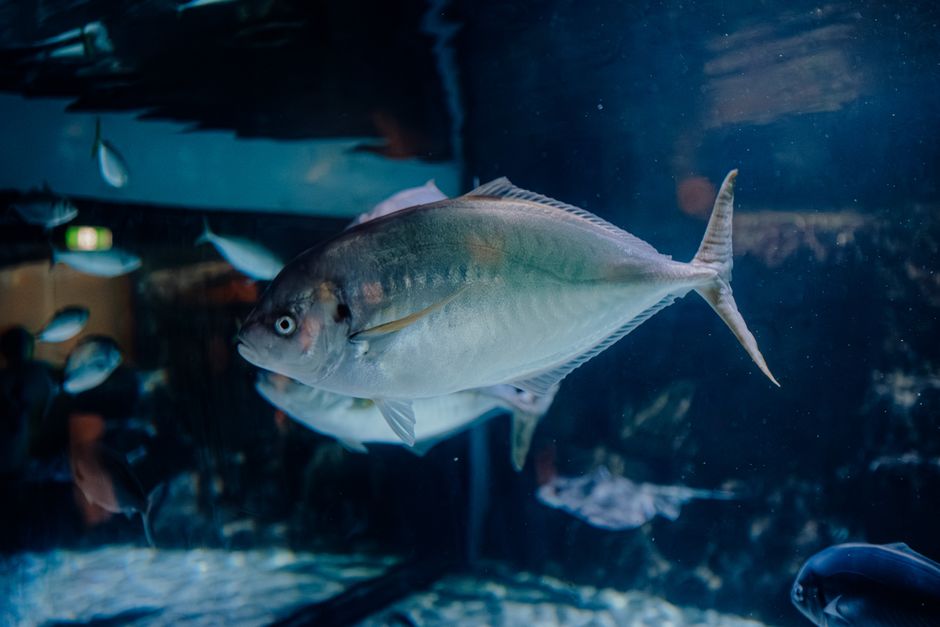
At its core, an aquaponic system is a beautiful marriage of two distinct disciplines: aquaculture and hydroponics. While the debate of aquaponics vs hydroponics often centers on ease of use, aquaponics offers a distinct advantage in sustainability. In a traditional hydroponic setup, you must constantly add chemical nutrient solutions to feed your plants. In an aquaponic garden, you feed the fish, and the fish feed the plants. It is a biological partnership that eliminates the need for soil and synthetic fertilizers, making it the ultimate tool for the eco-conscious chef who wants full control over the quality of their ingredients.
The Biological Symbiosis
The magic happens through the nitrogen cycle. Fish produce waste in the form of ammonia. Naturally occurring beneficial bacteria in the system break this ammonia down into nitrites and then into nitrates. Nitrates are the primary nutrient that plants crave. As the plants absorb these nitrates through their roots, they effectively scrub the water clean, returning it to the fish tank in a healthy, oxygenated state. This circular flow is the secret to aquaponics gardening, allowing for a hyper-local food source that requires minimal water and no weeding.
Designing Your Upcycled Kitchen System
The beauty of this method lies in its accessibility. You do not need expensive, industrial-grade equipment to start. By focusing on upcycled aquaponics, you can transform discarded items into a functional food-producing machine. An aquaponics system design for the kitchen should be compact, aesthetically pleasing, and easy to maintain.
Materials and Sourcing
To keep the upcycled aquaponics building a symbiotic kitchen garden cost low, look for food-grade plastic containers. Old glass aquariums, BPA-free plastic bins, or even repurposed IBC totes can serve as the foundation of your system. When selecting materials, ensure they have never held harsh chemicals. The goal is to create a safe, stable environment for your fish and food crops.
The Basic Setup Steps
Building your own system requires a few essential components working in harmony. Follow these setup steps to get started:
- The Fish Tank: Select a sturdy container that can hold water without leaking. Ensure it has enough volume for the fish you plan to raise; a good rule of thumb is at least 10 gallons for a small home setup.
- The Grow Bed: This is where your plants will live. It should sit above or adjacent to the fish tank. Use an inert growing medium like expanded clay pebbles or lava rock to support plant roots.
- Water Circulation: Use a small, energy-efficient water pump to move water from the fish tank to the grow bed. A simple siphon or overflow pipe allows the water to return to the tank via gravity.
- Bio-filtration: Ensure your grow bed has enough surface area for beneficial bacteria to colonize. This is the heart of your system.
- Lighting and Aeration: If your kitchen lacks natural light, use full-spectrum LED grow lights. A small air stone in the fish tank will ensure the water remains oxygenated for your fish.
How This Aquaponics Farmer is Reinventing Urban Agriculture
The shift toward how this aquaponics farmer is reinventing urban agriculture lies in the democratization of food production. Professionals and hobbyists alike are proving that you do not need acres of land to provide for yourself. By utilizing vertical space and recycled materials, these systems turn unproductive corners of an apartment or kitchen into high-yield vegetable patches. This model of aquaponics is scalable, adaptable, and deeply rewarding for the home cook who values freshness above all else.
Optimizing Your Harvest
To get the most out of your system, focus on high-yield, fast-growing greens. Leafy vegetables like lettuce, kale, spinach, and bok choy are perfect for these systems. Herbs such as basil, mint, and cilantro also thrive in the nutrient-rich water. For the fish, tilapia and goldfish are common starters due to their hardiness, though some enthusiasts successfully raise edible freshwater species like perch or catfish depending on the size of their setup.
Frequently Asked Questions
Can aquaponics grow fish and plants together?
Yes, that is the primary definition of the practice. The system is designed to facilitate a mutually beneficial environment where the fish provide nutrients for the plants, and the plants act as a biological filter for the fish’s water, keeping it clean and safe for them to live in.
What are the disadvantages of aquaponics?
The primary challenges include the initial learning curve, the need for a consistent power supply to run the pump, and the requirement to maintain a delicate biological balance. If the system is not properly balanced, it can lead to fish loss or stunted plant growth. Additionally, it requires daily monitoring of water parameters like pH and nitrate levels.
What vegetables grow best in aquaponics?
Leafy greens and herbs are the top performers. Lettuce, Swiss chard, arugula, kale, and various culinary herbs like basil and parsley grow exceptionally well. Fruiting plants like tomatoes, peppers, and cucumbers can also be grown, but they require a more mature, nutrient-dense system to produce a substantial harvest.
Can I grow food in a hydroponic garden using fish?
Technically, adding fish to a standard hydroponic system turns it into an aquaponic system. However, you cannot simply add fish to a traditional hydroponic setup that uses synthetic fertilizers, as those chemicals are often toxic to fish. To successfully grow food with fish, you must rely entirely on the natural waste produced by the fish as the nutrient source.
Conclusion
Embracing upcycled aquaponics is more than just a gardening hobby; it is a commitment to a more sustainable, transparent, and delicious way of eating. By building a symbiotic kitchen garden, you gain a deeper understanding of the food chain, reduce your environmental impact, and enjoy the unparalleled taste of greens harvested seconds before they hit the plate. Whether you are an experienced gardener or a curious home cook, the aquaponic system offers a unique opportunity to turn your living space into a productive, living pantry. Start small, monitor your water quality, and enjoy the satisfaction of knowing exactly where your dinner came from.