
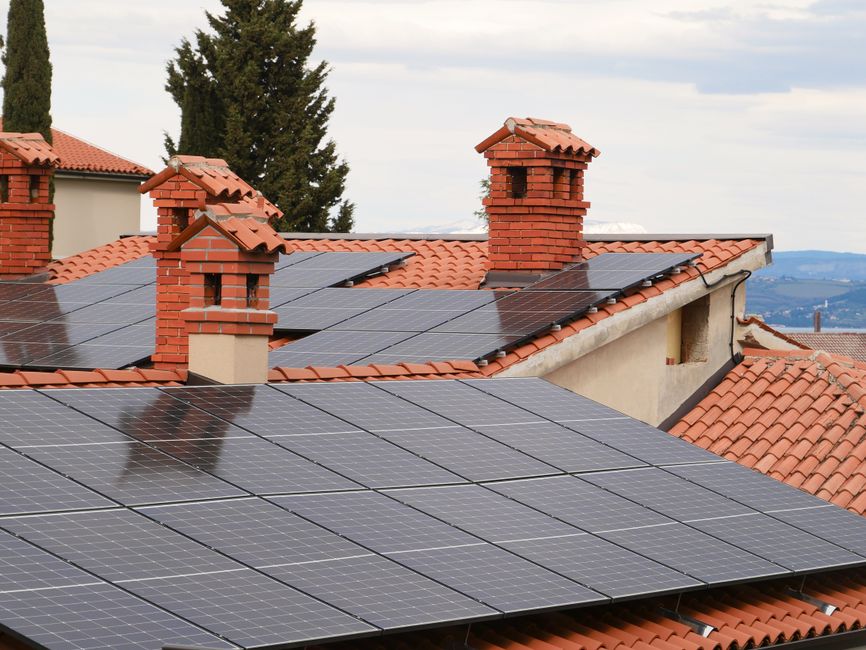
The Future of Culinary Spaces: Designing the Solarpunk Kitchen
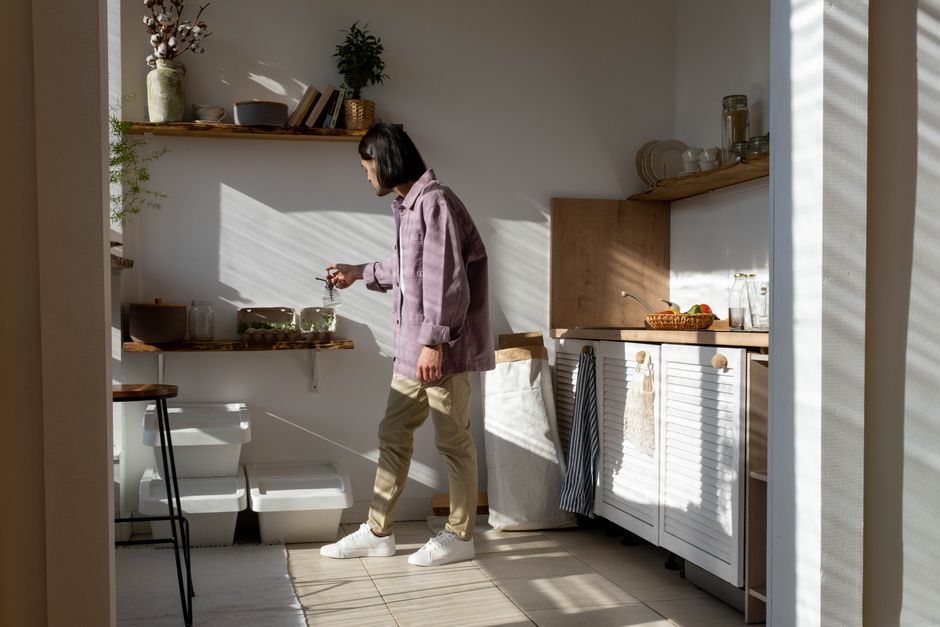
The modern kitchen is frequently a site of high energy consumption, characterized by a heavy reliance on fossil-fuel-burning ranges and power-hungry appliances. In contrast, the solarpunk movement envisions a radical redesign of this space, transforming the culinary heart of the home into a regenerative, energy-independent hub. By merging ancient passive design principles with cutting-edge renewable technology, we can create cooking environments that sustain our biological needs while actively contributing to the health of the local ecosystem.
The Philosophy of the Solarpunk Kitchen
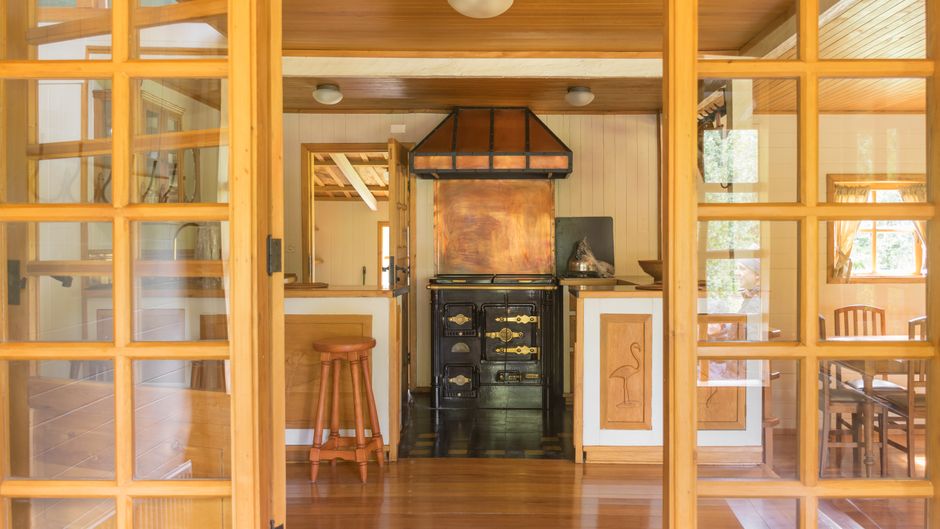
At its core, a solarpunk kitchen is defined by the seamless integration of technology and nature. It is not merely about installing a solar panel; it is about rethinking the kitchen as a closed-loop system. A solarpunk kitchen treats resources—heat, water, and organic waste—as precious inputs rather than disposable outputs. By prioritizing passive design, such as thermal mass walls and strategic natural ventilation, the kitchen maintains a stable temperature without mechanical cooling, significantly reducing the household’s energy load.
Materiality and Cradle-to-Cradle Design
The physical structure of your space is vital to sustainability. A solarpunk-inspired kitchen prioritizes longevity and non-toxic composition. Designers favor materials with a lower embodied energy footprint that are biodegradable or infinitely recyclable, such as:
- Reclaimed wood
- Cob and earthen plasters
- Natural stone
- Recycled metals
When building your workspace, consider the lifecycle of every surface; a counter should be as durable as it is ecologically benign, adhering to cradle-to-cradle certification standards.
Energy-Independent Cooking Technologies
Achieving true independence requires a diversified approach to fuel. No single device is a silver bullet, but a combination of solar, electrical, and biological systems creates a robust culinary infrastructure.
Solar Ovens and Concentrated Solar Power
The solar oven is the iconic centerpiece of an energy-independent kitchen. Using concentrated solar power, these devices reach temperatures sufficient for baking, roasting, and slow cooking without consuming electricity. Modern parabolic and box-style cookers are highly efficient, allowing cooks to harness the sun during daylight hours to prepare the bulk of their meals.
Induction and Photovoltaic Integration
For night-time cooking or overcast days, high-efficiency induction stoves are the gold standard. Unlike gas ranges, which lose significant energy to the surrounding air, induction technology transfers energy directly to the cookware via magnetic fields. When paired with localized photovoltaic (PV) arrays and battery storage, induction cooktops become a low-impact solution. Optimizing your kitchen to run on DC current directly from your PV system further minimizes energy losses associated with AC conversion.
The Role of Biogas Digesters
One of the most advanced features of a solarpunk kitchen is the integration of small-scale biogas digesters. These systems turn kitchen food waste—peelings, scraps, and spoiled produce—into methane gas. This gas is piped back to a dedicated burner, providing a renewable fuel source for cooking. This creates a true closed-loop system where the waste of one meal fuels the preparation of the next.
Efficiency Comparison Table
| Method | Energy Source | Complexity | Best Use Case |
|---|---|---|---|
| Solar Box Oven | Direct Sunlight | Low | Slow cooking, baking, roasting |
| Induction Stove | PV/Battery Array | Medium | Boiling, sautéing, precise heat |
| Biogas Burner | Kitchen Waste | High | Daily range use, boiling water |
| Thermal Mass Stove | Biofuel/Wood | Medium | Stews, long-duration heating |
Passive Design and Climate Control
A solarpunk kitchen should function efficiently even when the power is off. Passive design is the silent engine of the home. By utilizing thermal mass—materials like brick or stone—the kitchen absorbs heat during the day and releases it slowly at night. Strategic placement of windows allows for the stack effect, where hot air escapes through high vents, drawing in cool air from low-level openings. This natural ventilation is essential for maintaining a comfortable workspace without energy-intensive air conditioning.
Frequently Asked Questions
Is it possible to have an energy-independent kitchen in an urban apartment?
Yes. While space constraints make biogas digesters difficult, urban dwellers can use portable solar cookers on balconies and high-efficiency induction units to lower electricity usage. Focusing on passive ventilation and sustainable materials remains highly effective regardless of square footage.
What is the biggest hurdle in transitioning to a solarpunk kitchen?
The primary hurdle is the shift in mindset—moving from reliance on an “always-on” grid to a system that works with the rhythms of nature. Learning to cook based on solar availability or managing a biogas system requires patience, but the resulting resilience is profound.
How do I start building a solarpunk kitchen on a budget?
Start with simple interventions. Upgrade to energy-efficient appliances, reduce waste through composting, and experiment with a DIY solar oven. Integrate these components gradually as you repair or replace existing surfaces, focusing on reclaimed materials to keep costs low.
Conclusion
Designing a solarpunk kitchen is an act of both rebellion and creation. It challenges the unsustainable norms of modern consumerism by demanding that our homes provide for us in a way that is regenerative and localized. Whether you are beginning your research or starting your build, remember that solarpunk is about progress, not perfection. Every reclaimed material and every watt of solar energy harvested is a step toward a more vibrant, sustainable future.