

As the construction industry grapples with the climate crisis, the search for carbon-neutral building materials has led researchers toward an unlikely ally: the fungal kingdom. Mycelium, the root-like vegetative structure of fungi, is rapidly transforming from a biological curiosity into a cornerstone of sustainable architecture. By turning agricultural waste into high-performance, compostable building components, architects and engineers are crafting a future where our urban shelters are not merely built, but grown. This evolution, often referred to as myco architecture, represents a paradigm shift from extractive, energy-intensive construction to a regenerative, circular model that mirrors the resilience of the natural world.
The Science of Myco-Composite Manufacturing
At the heart of the myco revolution is a process known as myco-composite manufacturing. This technique leverages the natural growth cycle of fungi to create durable, lightweight, and fire-resistant materials. The process begins by inoculating a substrate—typically agricultural byproducts like straw, hemp, sawdust, or luffa fibers—with fungal spores. This mixture is packed into custom molds where the mycelium begins to digest the organic matter, weaving a dense, web-like network of hyphae that binds the substrate into a solid, cohesive mass.
Once the growth period is complete, the material is heat-treated to deactivate the fungus, preventing further growth and ensuring structural stability. The result is a versatile material that can be engineered for specific density and strength requirements. Currently, this process is being utilized to produce acoustic panels, insulation, and lightweight blocks. While research continues into the long-term load-bearing capacity of mycelium compared to traditional kiln-fired bricks or concrete, its potential as a renewable alternative in non-structural and semi-structural applications is already proven.
Urban Innovation: Probiotic and Biodiversity-Focused Design
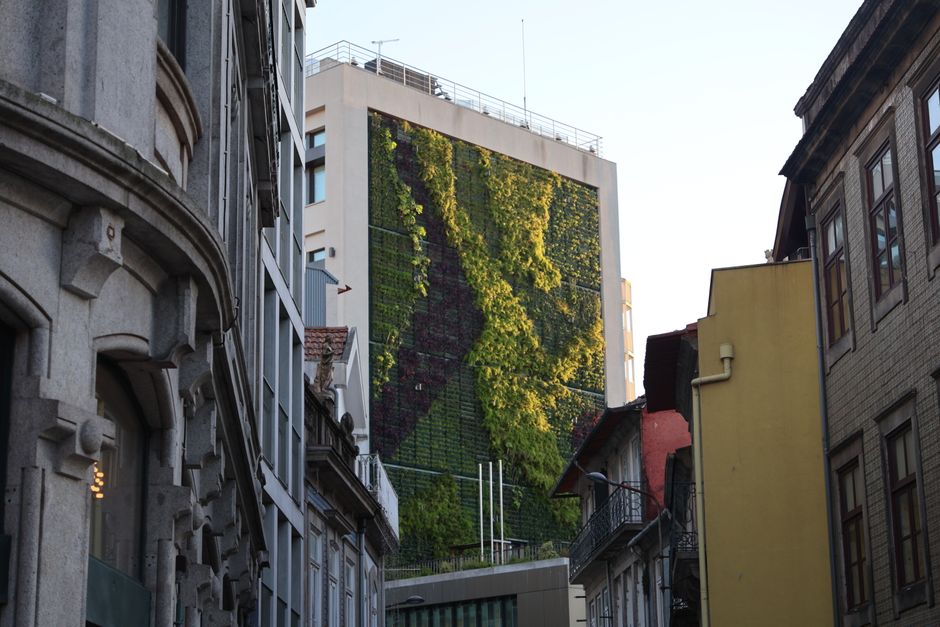
The application of mycelium in urban environments goes beyond mere structural utility; it is becoming a tool for ecological restoration. Innovative designers are proving that architecture can function as an active participant in urban ecosystems, rather than a passive occupant.
The Alive Prototype: Probiotic Architecture
The Living, a renowned design firm, has pushed the boundaries of this field with their Alive prototype. This structure serves as a prime example of probiotic architecture, where the building itself acts as a habitat for beneficial microbes. By integrating mycelium with luffa fibers, the design creates a porous, organic environment that facilitates a unique interaction between human occupants and microorganisms. This approach challenges the traditional, sterile view of urban spaces, suggesting that our buildings can contribute to healthier, more diverse biological environments.
Urban Reef: Enhancing Biodiversity
In the Netherlands, designers Pierre Oskam and Max Latour have developed Urban Reef, a project that utilizes 3D-printed mycelium and ceramics to foster biodiversity in city centers. By creating complex, porous geometries that mimic natural habitats, Urban Reef provides a foundation for mosses, fungi, and vegetation to colonize urban surfaces. This initiative promotes water circularity and self-sustaining ecosystems, effectively turning artificial city structures into living, breathing components of the urban landscape.
Fungi in Space: The Mycotecture Off Planet Frontier
Perhaps the most ambitious application of this technology lies beyond our atmosphere. NASA is currently exploring the concept of a Nasa mushroom house as a solution for extraterrestrial colonization. The logistical challenge of transporting heavy, traditional building materials to the Moon or Mars makes the concept of Mycotecture Off Planet incredibly attractive. Instead of shipping steel and concrete, future astronauts could transport a small payload of fungal spores and utilize local Martian or lunar regolith to cultivate their own habitats.
The Nasa mycelium research suggests that these structures would provide inherent benefits for space travel, including superior radiation shielding and excellent thermal insulation. By growing shelters in situ, space agencies could drastically reduce the mass and cost of missions. This vision of fungi in space represents the ultimate test of regenerative design: creating a life-supporting environment in one of the most hostile conditions imaginable.
The Structural and Sustainability Edge
Mycelium offers a unique set of advantages that distinguish it from conventional building materials. The following table highlights the key characteristics that make this bio-material a compelling choice for the future of sustainable development.
| Feature | Benefit to Architecture |
|---|---|
| Carbon Sequestration | The growth process consumes agricultural waste, locking in carbon throughout the material lifecycle. |
| Biodegradability | Unlike concrete, which contributes to landfill waste, mycelium-based structures can be composted at the end of their life. |
| Fire Resistance | Naturally dense mycelium panels demonstrate high resistance to ignition, often outperforming synthetic foam insulation. |
| Acoustic Performance | The porous cellular structure of fungi is highly effective at absorbing sound, ideal for urban density. |
| Local Sourcing | Substrates can be sourced from local agricultural waste, reducing the carbon footprint of logistics. |
Frequently Asked Questions
Is mycelium strong enough to replace concrete in high-rise buildings?
Currently, mycelium is not intended to replace concrete in high-load-bearing structural applications like skyscrapers. It is most effective as a sustainable replacement for insulation, interior partitions, and facade elements. However, ongoing material science research is focused on hybrid composites that could eventually allow for greater structural utility.
How does the Nasa mushroom house concept handle radiation?
Mycelium-based materials have a high hydrogen content, which is particularly effective at blocking cosmic radiation. When grown in thick, multi-layered configurations, these materials provide a significant protective barrier for astronauts without the weight penalty of lead or heavy metals.
What happens to a mycelium building when it gets wet?
If left untreated, raw mycelium composite is biodegradable and can break down when exposed to moisture over long periods. However, architects typically apply natural coatings or sealants to protect the material from environmental weathering, ensuring the longevity of the structure while maintaining its compostable potential.
Is this technology affordable for the average consumer?
While currently in the prototype and specialized production phase, the scalability of mycelium manufacturing is high. As the demand for sustainable, circular-economy materials grows, the cost of production is expected to drop, making it a competitive alternative to traditional, resource-intensive materials.
Conclusion
Myco architecture is more than a fleeting trend; it is a fundamental rethinking of how we interact with the built environment. From the probiotic, biodiversity-supporting designs of Urban Reef to the ambitious visions of Mycotecture Off Planet, the use of fungi is proving that our future shelters can be grown, sustainable, and entirely in tune with the planet. As we continue to refine the durability and structural capabilities of these materials, the dream of compostable urban shelters moves closer to reality. By embracing the potential of mycelium, we are not just building for the future; we are cultivating a symbiotic relationship with nature that will define the next era of architectural innovation.