

Creating an ideal environment for a newborn involves more than just selecting the right crib or monitoring room temperature; it requires a sophisticated approach to the nursery’s visual atmosphere. Recent advancements in smart technology have introduced AI-driven lighting systems that do more than simply illuminate a room. By mimicking the natural spectrum and progression of sunlight, these systems play a pivotal role in regulating an infant’s developing circadian rhythm. Understanding how to leverage light to support your baby’s biological clock can lead to better sleep, improved mood, and overall healthier development.
The Science of Circadian Rhythms and Light Exposure
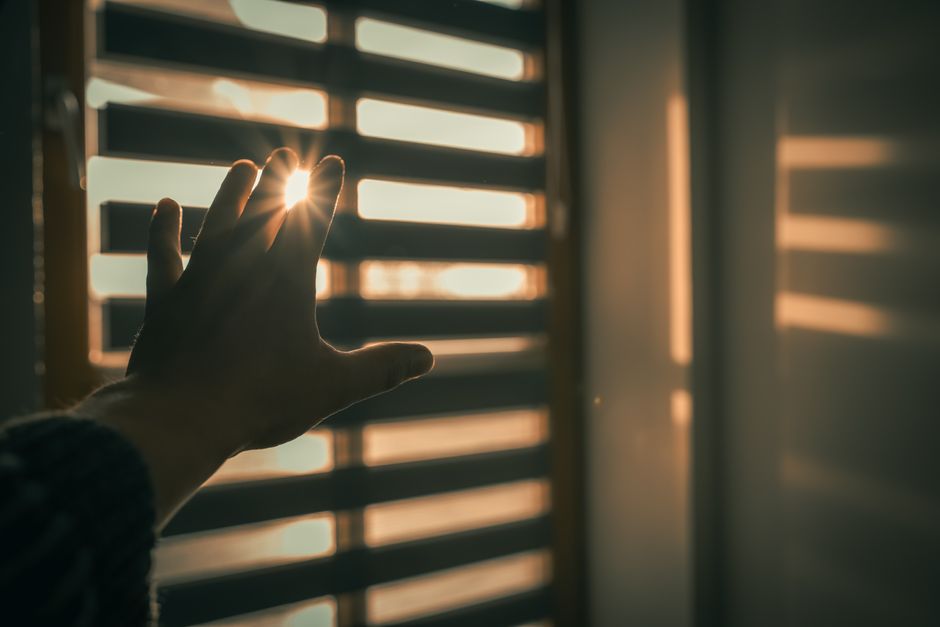
Infants are not born with a fully developed internal clock. In the first few months of life, a baby’s sleep-wake cycle is erratic, often causing sleepless nights for parents. Research indicates that circadian rhythm regulation in infants is highly dependent on exposure to natural light cycles. When a baby is exposed to bright, blue-enriched light during the day and dim, warm light at night, their body begins to produce melatonin—the hormone responsible for sleep—at the appropriate times.
How AI Mimics Natural Sunlight
Smart nursery lighting systems utilize artificial intelligence to adjust color temperature, measured in Kelvin (K), and intensity throughout the day. In the morning, these systems emit a cooler, brighter light, which mimics the blue-rich spectrum of the morning sun. This signals to the infant that the day has begun, helping to suppress daytime melatonin production and foster alertness. As the day progresses, the system gradually shifts toward warmer, softer hues, mimicking the golden hour and sunset. This transition prepares the baby’s body for the evening, naturally facilitating the onset of sleep.
Addressing Health Concerns: Jaundice and Eye Development
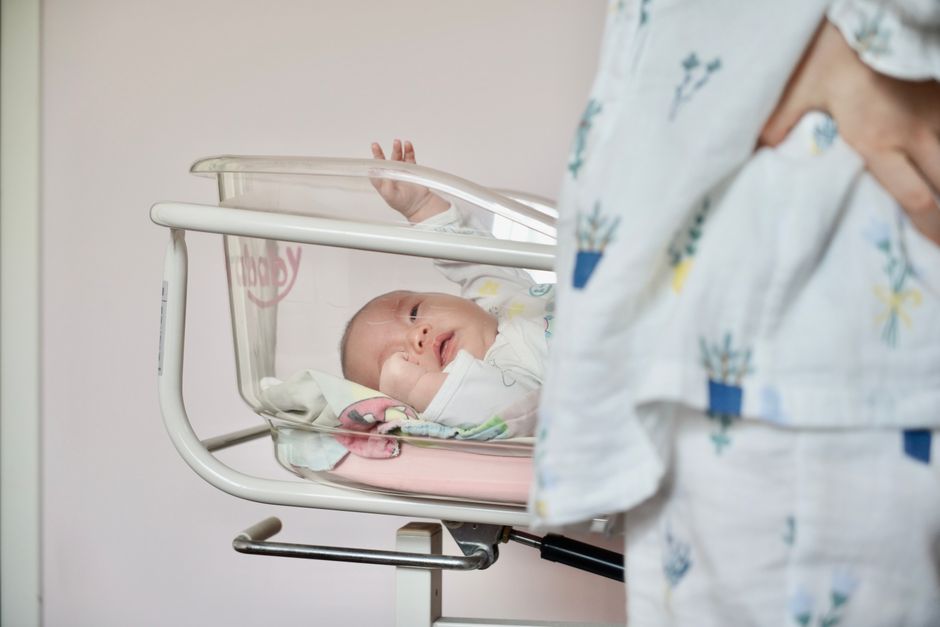
Parents often worry about the visual environment of their nursery. A common question is, are bright lights bad for babies eyes? While infants have sensitive retinas, the ambient, diffused light provided by modern smart systems is designed to be gentle. Unlike harsh, direct spotlights, smart nursery lighting provides a soft, ambient glow that protects the baby’s developing vision while providing the necessary stimulation for growth.
Managing Jaundice with Light
Jaundice is a common condition in newborns caused by high levels of bilirubin. While parents often ask about jaundice light for newborn baby at home, it is vital to distinguish between therapeutic phototherapy and ambient lighting. Medical-grade phototherapy uses specific wavelengths of blue light to break down bilirubin in the skin. This must be conducted under strict medical supervision in a hospital or via a prescribed home-use device. If you are concerned about your baby’s skin tone, consult your pediatrician immediately. Do not attempt to treat clinical jaundice with standard nursery lamps or sunlight through a window, as these do not provide the necessary intensity or wavelength to be effective.
Optimizing Sleep with Color Temperature
The use of color in the nursery is a powerful tool for sleep training. Many parents rely on red-toned lighting during night feeds. The best red light for babies is one that provides just enough illumination for parents to see without waking the infant or disrupting their melatonin production. Because red light has a longer wavelength, it is less likely to signal the brain to stop melatonin production compared to blue or white light.
When to Stop Using Red Light for Baby
There is no strict medical deadline for when to stop using red light for baby. As infants grow and their sleep cycles stabilize, many parents find they can transition to a standard, dim warm-white nightlight. If your child begins to show signs of fear of the dark or struggles to settle, maintaining a very low-intensity red light can provide comfort without compromising their sleep quality.
The Role of Natural Light
While AI lighting is a powerful tool, it does not replace the benefits of the outdoors. Does sunlight help babies sleep? Absolutely. Exposure to natural sunlight during the day helps set the biological clock more effectively than any artificial source. Integrating outdoor time into your daily routine is essential. When indoors, keep curtains open during the day to allow natural light to fill the space, and use your smart system to bridge the gap during overcast days or evening hours.
Frequently Asked Questions
What kind of lights mimic natural sunlight?
Lights that mimic natural sunlight are often referred to as “circadian” or “human-centric” lighting. These systems feature tunable LEDs that can shift their color temperature from a cool, bright 6000K (simulating midday sun) to a warm, cozy 2000K (simulating candlelight or sunset). Look for systems that offer automatic scheduling to ensure the light changes intensity and color without manual input.
What are signs of high IQ in babies?
While light exposure supports healthy development, signs of cognitive advancement in infants are often observed through their engagement with the world. Early signs may include intense curiosity, strong focus on objects, quick responses to stimuli, and early attempts at social interaction. It is important to remember that every baby develops at their own pace, and providing a stable, well-rested environment is the best way to support their cognitive potential.
What is the 5-3-3 rule for babies?
The 5-3-3 rule is a loose guideline used by some sleep consultants to help establish a rhythm. It suggests that a baby should have 5 hours of awake time, 3 hours of nap time, and 3 hours of focused wind-down time across the day. While not a strict scientific rule, it emphasizes the importance of balancing stimulation and rest, which is perfectly complemented by a smart lighting system that shifts intensity to match these periods.
What color makes kids sleepy?
Warm colors, specifically those in the red, orange, and soft amber spectrum, are known to be the most conducive to sleep. These colors are associated with the sunset and do not suppress melatonin. Using these colors in your nursery during the evening routine helps signal to the child that it is time to settle down and prepare for sleep.
Conclusion
Investing in a smart nursery lighting system is a proactive step toward supporting your baby’s biological and developmental needs. By aligning your home environment with the natural progression of light, you can help regulate your infant’s circadian rhythm, improve sleep quality, and provide a soothing atmosphere for both you and your child. While technology provides a fantastic foundation, remember to balance these tools with natural sunlight and the intuitive care that only a parent can provide. As your baby grows, these lighting systems can adapt, ensuring that your nursery remains a sanctuary that promotes health, comfort, and restorative rest for years to come.