
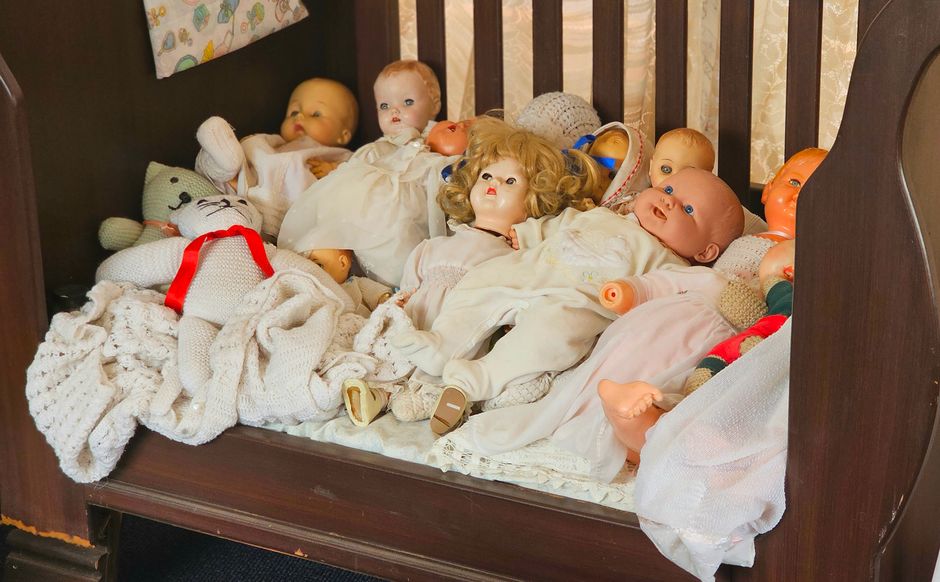
As modern parents navigate the complexities of preparing for a new arrival, a significant shift is occurring in how we furnish our homes. Moving away from the “fast furniture” cycle—characterized by mass-produced pieces that often end up in landfills after a few years—a new philosophy is taking root. Known as the eco-heritage movement, this trend prioritizes investing in heirloom-quality children’s furniture that combines sustainable manufacturing with timeless design. By choosing pieces built to last for generations, families are not only reducing their environmental footprint but also creating a narrative of history and connection that stays with their children from infancy into adulthood.
Understanding the Eco-Heritage Movement
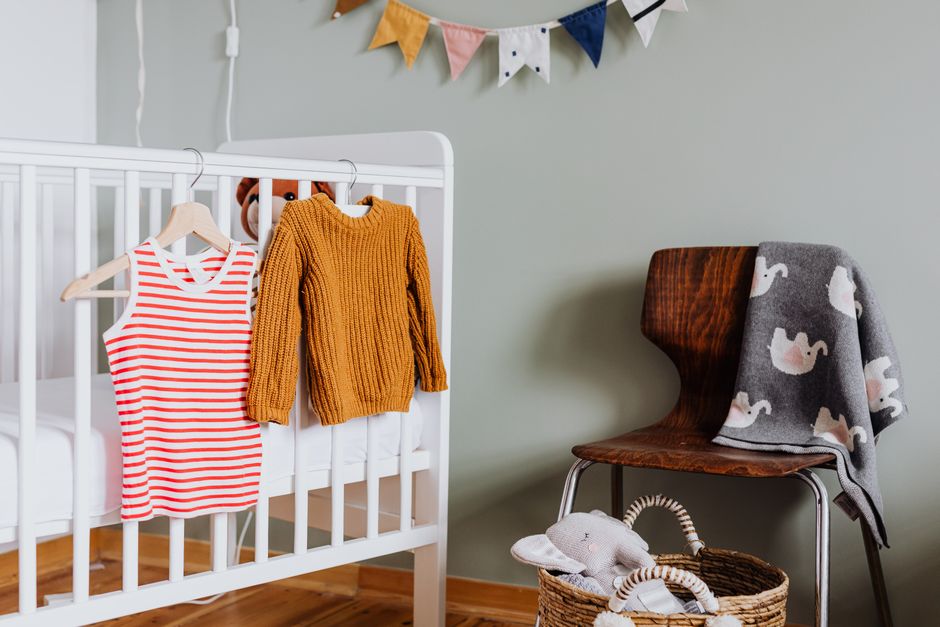
The eco-heritage movement is defined by a commitment to longevity and environmental stewardship. It challenges the conventional view of nursery furniture as a temporary stopgap. Instead, it encourages parents to view heirloom furniture as a long-term asset. When you invest in high-quality materials—such as solid hardwoods, non-toxic finishes, and modular designs—you are purchasing a product that can withstand the wear and tear of multiple children and eventually be passed down to the next generation.
Sustainability is at the heart of this shift. Non-toxic baby furniture is no longer a niche luxury; it is becoming the industry standard. Parents are increasingly seeking out GREENGUARD Gold certifications, low-VOC finishes, and sustainably harvested wood. By focusing on investing in heirloom-quality children’s furniture, you are effectively opting out of the cycle of disposable consumerism, ensuring that the environment your child grows up in is as healthy as it is beautiful.
The Value of Longevity in Nursery Design
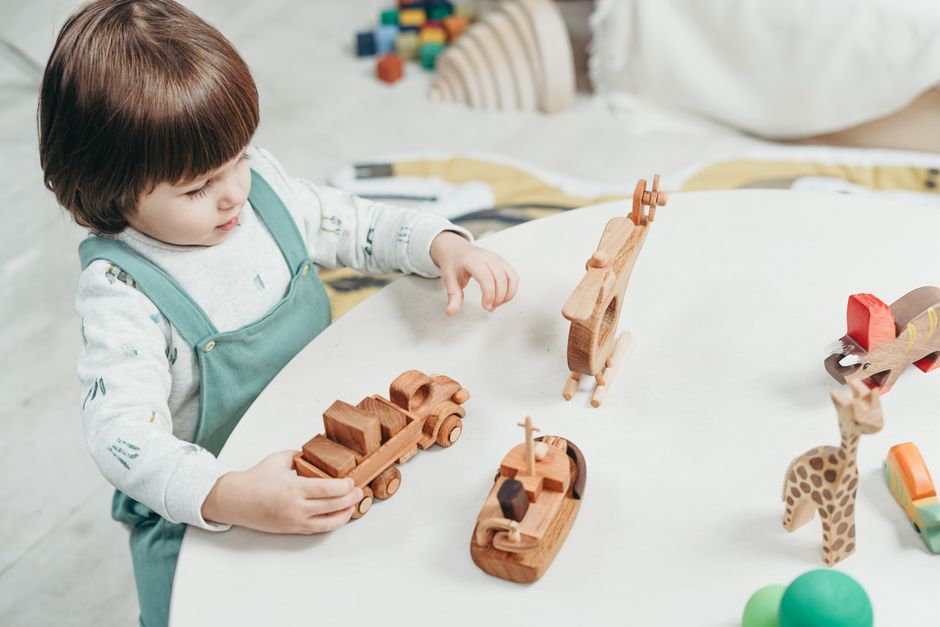
One of the primary drivers of this movement is the concept of “grow-with-me” design. Rather than buying a crib that becomes obsolete after eighteen months, the modern approach favors furniture that adapts. For instance, many best baby furniture brands now offer convertible cribs that transition into toddler beds and, eventually, full-sized headboards. This adaptability is the hallmark of true heirloom furniture.
When conducting a the eco heritage movement investing in heirloom quality children’s furniture review, the longevity of the piece becomes the most important metric. A chair or a dresser that can serve a toddler, a teenager, and eventually a grandchild, represents a far better return on investment than a budget-friendly piece that may require replacement due to structural fatigue. Beyond the financial logic, there is an emotional weight to these items. An heirloom piece becomes a vessel for memories, carrying the history of a family through the years.
Selecting the Best Nursery Furniture Brands
Finding the right balance between aesthetic appeal, safety, and durability requires careful research. While there are many options, the best place to buy nursery furniture is typically a retailer that prioritizes transparency in their manufacturing processes and material sourcing. Here is how some of the most prominent brands compare in the current market:
| Brand | Core Strength | Best For | Philosophy |
|---|---|---|---|
| Babyletto | Eco-Conscious Modernism | Parents prioritizing sustainability and style | Modern, accessible eco-design |
| Stokke | Heirloom Longevity | Families seeking long-term, adaptable pieces | Scandinavian durability |
| Ocodile | Montessori Integration | Parents fostering independence | Child-led development |
| Delta Children | Value & Safety | Budget-conscious families | Broad accessibility |
Modern Sustainability: Babyletto Nursery Furniture
Babyletto nursery furniture has become a cornerstone of the eco-friendly movement. By utilizing sustainable materials and ensuring that their products are free from harmful chemicals, they provide a modern aesthetic without sacrificing safety. Their commitment to GREENGUARD Gold certification ensures that your nursery remains a healthy, low-emission environment, which is a critical factor for any parent investing in their child’s early development.
The Premium Standard: Stokke
When discussing heirloom furniture, Stokke is frequently at the forefront of the conversation. Their iconic, modular designs are engineered to grow alongside the child. By focusing on high-quality construction and classic silhouettes, they ensure that their pieces remain relevant and functional for decades, embodying the very essence of the eco-heritage philosophy.
Frequently Asked Questions
Who makes heirloom quality furniture?
Heirloom-quality furniture is typically produced by manufacturers who prioritize solid wood construction, traditional joinery techniques, and non-toxic, durable finishes. Brands like Stokke are recognized for their commitment to longevity and modularity, while smaller, artisanal woodworkers often create bespoke pieces that are designed to endure for generations. When searching for such items, look for manufacturers that provide clear information on their wood sourcing and joinery methods.
What is the biggest furniture trend expected to be in 2026?
The dominant trend moving into 2026 is the “Eco-Heritage” approach. This involves a shift toward modularity, where furniture is designed to evolve with the child’s developmental stages. Consumers are increasingly favoring multi-functional pieces, natural materials, and a “buy once, buy well” mentality. This trend is driven by both a heightened awareness of environmental impact and a desire for high-quality, long-lasting products that offer better value over time.
What is the 4 inch rule for furniture?
The 4-inch rule refers to a critical safety standard for nursery furniture, particularly cribs. It dictates that there should be no more than 4 inches of space between the slats of a crib, or between any other components of the furniture, to prevent a child from getting their head or limbs stuck. When investing in heirloom-quality children’s furniture, always ensure that any vintage or repurposed items meet current safety standards, as older pieces may not adhere to these modern safety protocols.
What are some high-end brands of children’s furniture?
High-end children’s furniture is characterized by the use of premium materials, superior craftsmanship, and innovative, long-term design. Brands like Stokke are widely recognized for their premium status due to their “grow-with-me” engineering. Other high-end options often include boutique manufacturers that specialize in handcrafted, solid-wood nursery sets that emphasize non-toxic finishes and timeless, minimalist aesthetics designed to blend seamlessly with the rest of the home.
Conclusion
The eco-heritage movement represents a thoughtful evolution in how we approach parenting and home design. By focusing on investing in heirloom-quality children’s furniture, you are making a decision that benefits your family, your child’s health, and the planet. Whether you choose Babyletto nursery furniture for its modern, eco-conscious appeal or opt for the long-term adaptability of a premium brand like Stokke, the goal remains the same: to create a space that is as enduring as the memories you will build within it. As you curate your nursery, remember that the most valuable pieces are those that are built not just for the next few years, but for the next generation.