
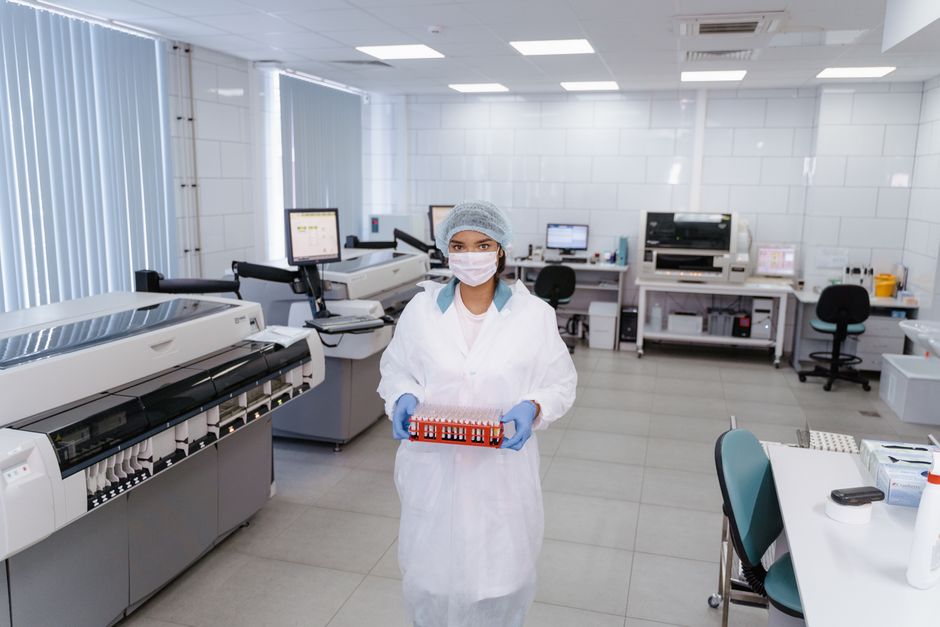
The intersection of biology and design is no longer a concept confined to science fiction; it is the new frontier of the global apparel industry. As the fashion sector faces increasing scrutiny over its environmental footprint, innovators are turning to the laboratory to rethink the very fabric of our wardrobes. By moving away from resource-intensive agriculture and carbon-heavy synthetic production, the industry is entering an era where textiles are not merely manufactured but biologically cultivated. This shift toward biotech represents a fundamental change in how we perceive materials, transforming microorganisms into the artisans of the future wardrobe.
The Science of Biofabrication
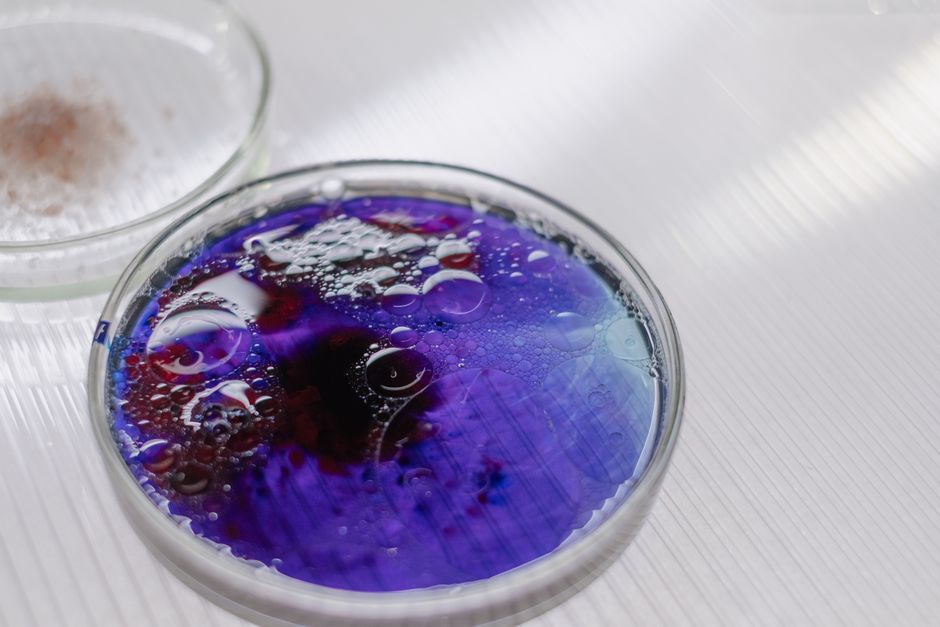
At its core, biofabrication is the process of using living organisms—such as bacteria, yeast, fungi, and algae—to create materials. Unlike traditional textile production, which relies on the growth of crops like cotton or the raising of livestock for leather, biotech processes utilize synthetic biology to program microbes to secrete specific proteins. These proteins are then refined and spun into fibers that can mimic everything from silk to durable hides.
Programming Microbes for Material Innovation
The most compelling aspect of this technology is the ability to engineer biological systems to perform specific tasks. Scientists can now insert genetic instructions into yeast or bacteria, effectively turning them into microscopic factories. For example, by inserting specific genes into yeast, researchers can prompt the organism to produce collagen proteins. Once fermented, these proteins can be processed into fibers that mirror the molecular structure of animal skin, resulting in materials that possess the tactile qualities of leather without the associated ethical or environmental costs. This level of precision allows designers to dictate the properties of the material at a molecular level, tailoring strength, elasticity, and texture before the material is even grown.
Mycelium: The Vanguard of Lab-Grown Leather
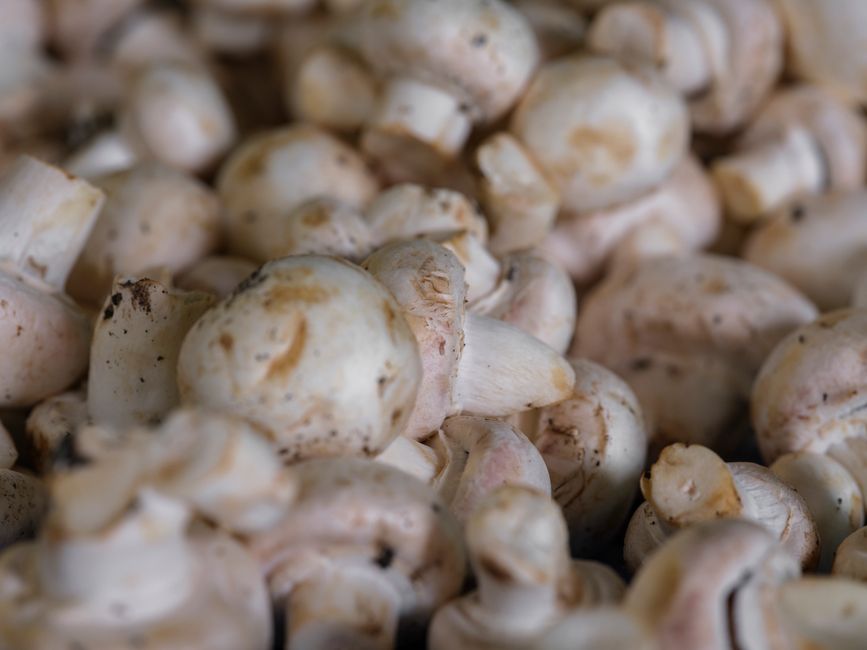
Among the various bio-based innovations, mycelium has emerged as the most commercially viable solution to date. Mycelium is the root structure of mushrooms, characterized by a dense, branching network of filaments known as hyphae. When cultivated under controlled conditions, these networks form a thick, fibrous mat that can be harvested, tanned, and finished to look and feel like premium leather.
Why Mycelium is Transforming Luxury Fashion
Leading fashion houses, including Stella McCartney and Hermès, have already integrated mycelium into their collections, signaling a major shift in luxury standards. The appeal of mycelium lies in its versatility and its ability to be grown into specific shapes, which minimizes waste during the cutting process. Furthermore, the growth cycle of mycelium is remarkably fast—measured in days or weeks rather than the years required to raise livestock. This efficiency is coupled with a significantly lower environmental footprint; studies indicate that mycelium production requires a fraction of the water and land necessitated by conventional bovine leather production.
The Sustainability Advantage
The fashion industry has long struggled with the paradox of high demand versus environmental degradation. Biotech offers a path to decoupling growth from resource depletion. Traditional cotton farming is notorious for its heavy water consumption and pesticide use, while synthetic fibers derived from petroleum are significant contributors to microplastic pollution. Lab-grown textiles provide a third way, utilizing circular processes that can potentially operate with closed-loop water systems and renewable energy inputs.
| Material Source | Primary Resource Input | Environmental Impact |
|---|---|---|
| Conventional Cotton | High water, pesticides, arable land | High soil degradation and water stress |
| Bovine Leather | Livestock grazing, chemical tanning | High methane emissions and water pollution |
| Mycelium | Agricultural waste, water | Low carbon footprint, biodegradable |
| Bio-engineered Silk | Sugar, yeast, fermentation | Low land use, fossil-fuel free |
Overcoming the Scalability Hurdle
While the potential for biotech materials is immense, the industry currently faces significant challenges regarding mass production. Most bio-fabricated textiles are produced in pilot-scale batches, which makes them expensive and difficult to integrate into the high-volume supply chains of global fashion retailers. Scaling up production requires massive capital investment in bioreactors and specialized infrastructure. As the technology matures, the focus is shifting from proving that these materials can be grown to proving that they can be grown at a cost-competitive price point. Industry experts suggest that as fermentation capacities increase and production processes are optimized, the cost of these materials will eventually plummet, allowing them to move from exclusive luxury items to mass-market staples.
Frequently Asked Questions
Are lab-grown textiles truly biodegradable?
Many bio-fabricated materials are designed to be fully biodegradable at the end of their lifecycle. Because they are composed of natural proteins or organic fibers, they can often be composted, unlike synthetic petroleum-based fabrics which persist in landfills for centuries. However, the final biodegradability often depends on the finishing agents and dyes applied to the material during the manufacturing process.
How does the feel of lab-grown leather compare to animal leather?
Technological advancements have made it increasingly difficult to distinguish between high-quality lab-grown materials and traditional leather. Because the materials are grown to mimic the collagen structure of animal hides, they possess a similar “hand-feel,” breathability, and durability. Luxury brands are currently using these materials to prove that sustainability does not require a compromise in aesthetic quality.
Is this technology limited to leather alternatives?
While leather alternatives have garnered the most attention, biotechnology is being applied to a wide range of fibers. This includes lab-grown spider silk, which is renowned for its extreme tensile strength and elasticity, as well as bio-engineered cellulose-based fabrics that mimic cotton or linen. The scope of biofabrication is limited only by our ability to map the genetic sequences of natural fibers.
Conclusion: The Future of the Wardrobe
The integration of biotechnology into the fashion industry marks a profound shift in our relationship with the materials we wear. We are moving toward a future where our clothing is not merely harvested from the earth but carefully crafted in partnership with nature. While scalability and cost remain the primary barriers to widespread adoption, the rapid pace of innovation suggests that lab-grown textiles will soon transition from the laboratory to the mainstream. By embracing these materials, the fashion industry has the rare opportunity to redefine itself as a regenerative force, proving that the future of style is not just about what we wear, but how we grow it.