
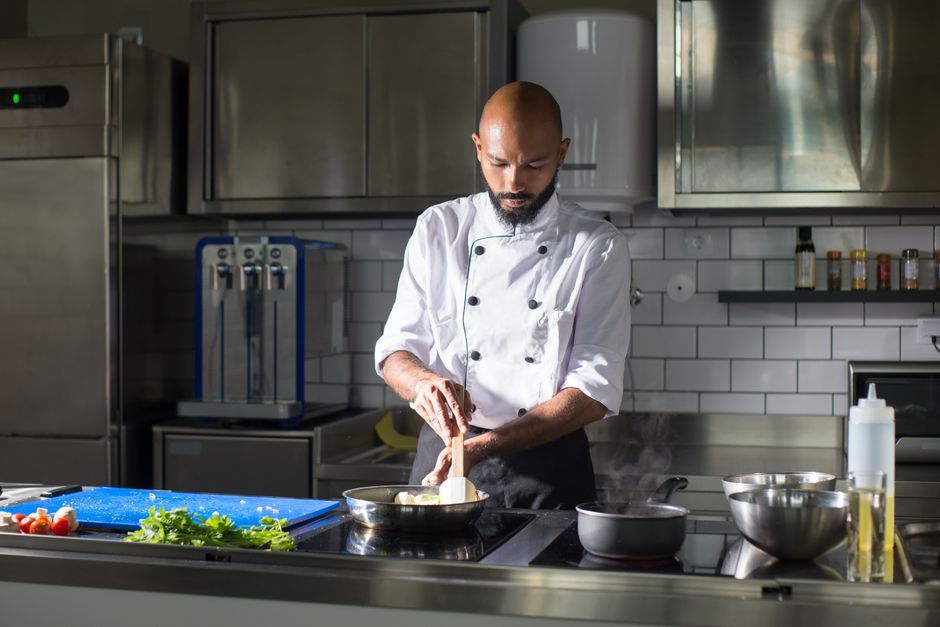
The Rise of the Deep Work Kitchen: Designing for Culinary Focus
The modern home has undergone a radical transformation, evolving from a place of rest into a hub of professional and creative output. As the boundary between leisure and productivity blurs, the kitchen—the heart of the domestic sphere—is experiencing a significant shift. The rise of the deep work kitchen reflects a growing desire for culinary spaces that facilitate focus, precision, and cognitive clarity. By applying the principles of distraction-free environments, architects and interior designers are reimagining kitchens as high-performance laboratories for the serious home chef.
The Philosophy of Deep Work in the Culinary Realm
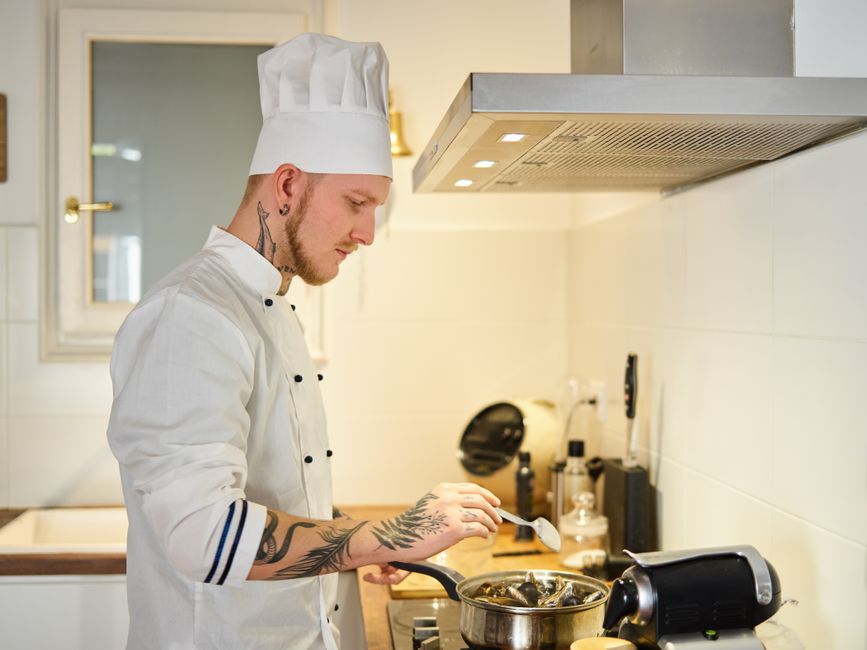
The concept of deep work, popularized by Cal Newport, centers on the ability to perform tasks in a state of distraction-free concentration that pushes cognitive capabilities to their limit. In a culinary context, this means moving away from the chaotic, cluttered aesthetic that has defined many contemporary design trends. Instead, the focus is shifting toward intentionality. A deep work kitchen is engineered to reduce cognitive load, allowing the cook to enter a flow state where complex meal preparation becomes a meditative, uninterrupted process.
Reducing Visual Noise
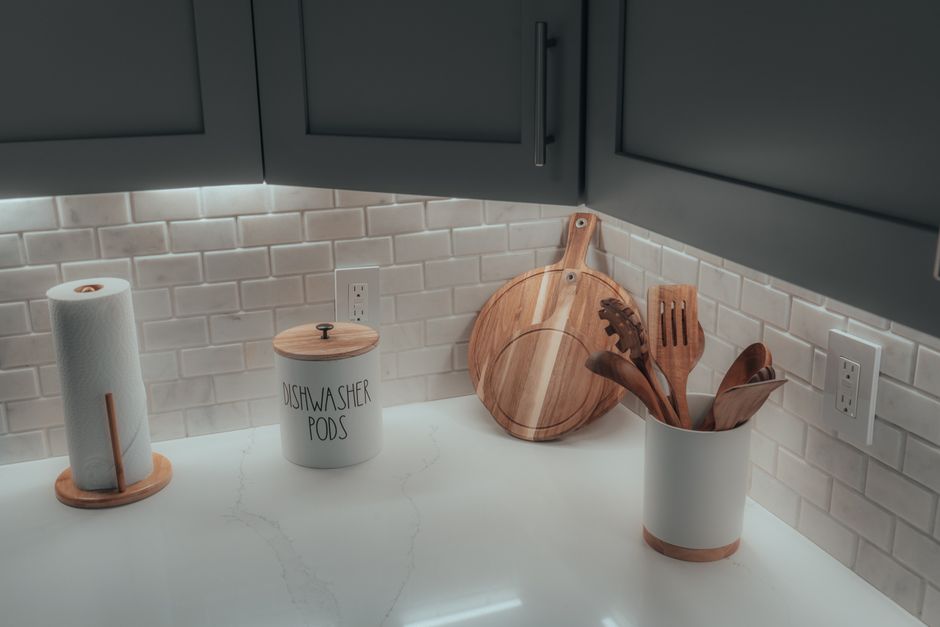
One of the primary obstacles to focus in the kitchen is visual clutter. Countertops crowded with small appliances, spice racks, and miscellaneous gadgets create a sensory-heavy environment that can lead to mental fatigue. The modern deep work approach prioritizes clean, expansive surfaces. Designers are increasingly utilizing appliance garages—dedicated cabinetry with pocket doors or lift-up mechanisms—to conceal mixers, toasters, and coffee machines when they are not in active use. By tucking these tools away, the visual landscape remains calm, signaling to the brain that the space is ready for the task at hand.
Evolving Beyond the Traditional Work Triangle
For decades, the work triangle—the path between the refrigerator, sink, and stove—has been the gold standard of kitchen planning. However, as cooking habits become more specialized, this rigid geometric approach often fails to accommodate modern needs. The current trend favors task-based zoning, which creates functional clusters designed for specific stages of food preparation.
Task-Based Zoning for Uninterrupted Flow
In a task-based kitchen, the layout is organized by activity rather than just proximity to major appliances. These distinct zones ensure that every tool, ingredient, and surface required for a specific task is within reach, preventing the need to cross the room and break one’s rhythm.
| Zone Type | Primary Function | Design Requirement |
|---|---|---|
| Prep Station | Chopping, peeling, and mixing | Large surface area, integrated waste management |
| Thermal Zone | Cooking, searing, and boiling | Proximity to heat-resistant materials and ventilation |
| Cleaning Station | Washing and sanitizing | Deep basin, proximity to dishwasher |
| Service Zone | Plating and final touches | Transition space away from high-traffic areas |
By separating the cleaning station from the prep zone, for example, a cook can maintain a clean workspace even while other members of the household interact with the sink. This compartmentalization is essential for maintaining the focus required for complex culinary projects.
The Role of Invisible Technology
Technology is a double-edged sword in the kitchen. While smart features can enhance cooking precision, the constant presence of screens and blinking LEDs can act as a significant distraction. The rise of “invisible tech” in design solves this tension. By integrating interfaces directly into surfaces—such as induction cooktops that appear as solid stone when inactive, or voice-activated controls that eliminate the need for touch-screen panels—designers are creating spaces that look analog but perform with digital efficiency.
Lighting as a Productivity Tool
Lighting is often overlooked in kitchen design, yet it is a critical component of a distraction-free environment. High-performance kitchens now utilize layered, task-specific lighting rather than relying on a single overhead source. Under-cabinet lighting, directed specifically at the cutting board or the stove, creates a focused pool of illumination that helps the cook concentrate on the work surface, effectively creating a visual frame that keeps the rest of the room in the periphery.
FAQ: Implementing Deep Work Principles
How can I achieve a distraction-free kitchen on a budget?
You do not need a complete renovation to embrace these principles. Start by auditing your countertops. If an appliance is not used daily, move it to a pantry or a lower cabinet. Invest in drawer organizers to keep utensils categorized by task, which reduces the time spent searching for tools during the cooking process. Finally, adjust your lighting to ensure that your primary work surface is well-lit, which naturally draws your focus inward.
Is the deep work kitchen trend only for professional chefs?
Not at all. While professional chefs certainly benefit from the efficiency, the concept is equally valuable for anyone who views cooking as a hobby or a necessary creative outlet. By reducing the friction and clutter in your kitchen, you transform cooking from a chore into a more enjoyable, meditative experience.
Does smart home technology contradict the deep work philosophy?
Only if the technology creates noise. Technology is a tool for deep work when it automates mundane tasks—like preheating an oven or monitoring internal temperatures—without requiring your constant attention. The goal is to use tech to offload cognitive burden, not to add new distractions to your environment.
Conclusion
The rise of the deep work kitchen represents a shift toward intentional, high-quality living. By prioritizing functional layouts, reducing visual noise, and integrating technology in a way that respects the user’s focus, we can create environments that support both our culinary ambitions and our mental well-being. Whether you are a professional chef or an enthusiastic home cook, treating your kitchen as a space for focused work allows for a deeper connection to the craft of cooking. As we continue to refine our homes, these distraction-free spaces will undoubtedly become the standard for modern kitchen design, proving that when we minimize the chaos, we leave more room for creativity and excellence.