
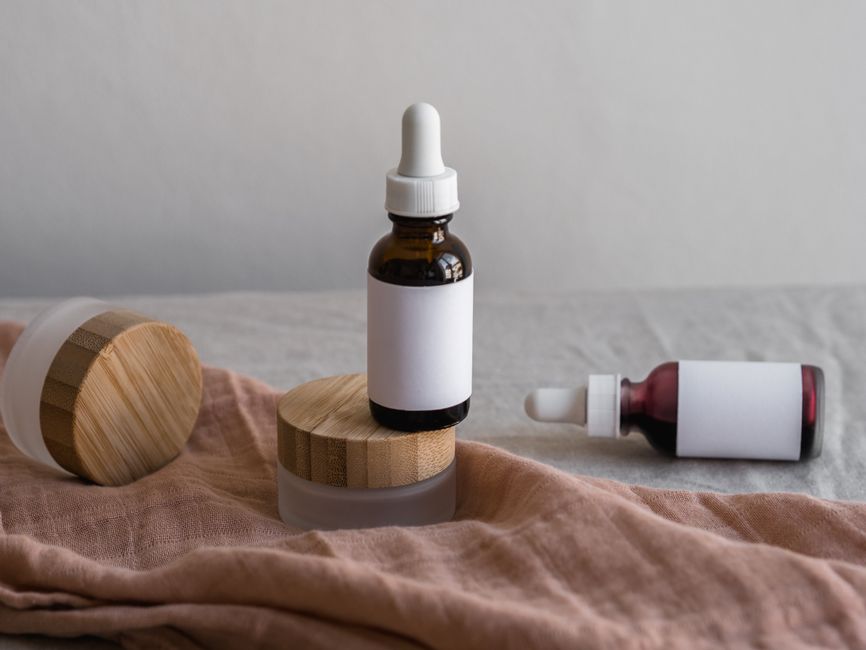
The modern vanity has become a landscape of excess. Driven by viral trends in beauty and personal care, many consumers find themselves navigating a sea of half-empty bottles, expired serums, and redundant moisturizers. Beyond the clutter, this overconsumption carries a heavy environmental toll. With the beauty industry producing over 120 billion units of packaging annually—much of which is non-recyclable—the need for a paradigm shift is urgent. Performing a skin-minimalism audit is not merely about organizing your shelf; it is a conscious act of sustainability that benefits both your complexion and the planet.
The Evolution of the Conscious Routine
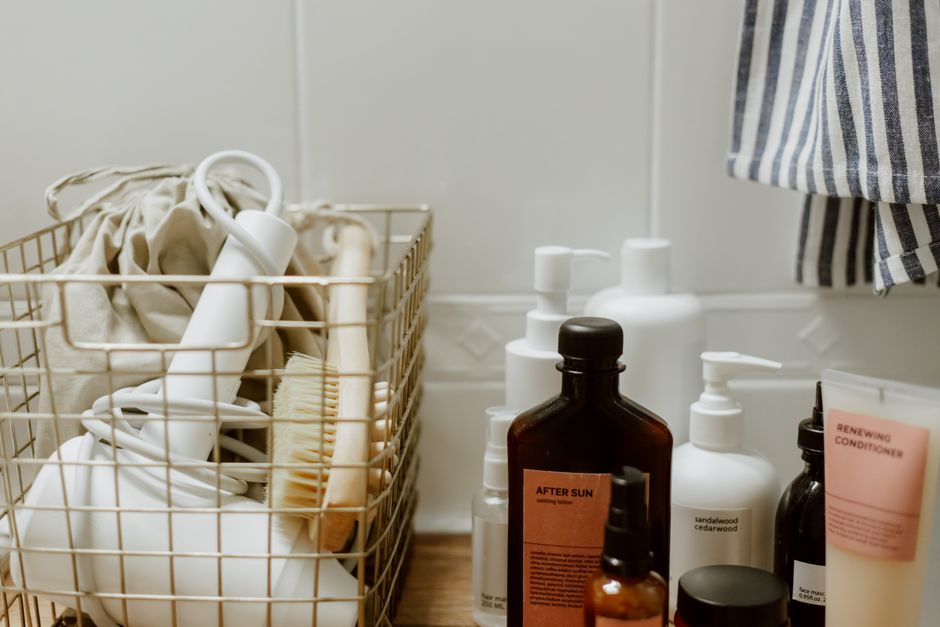
To understand why we are currently in the midst of a decluttering movement, we must first define the current landscape. What is clean beauty? At its core, the term refers to products formulated without ingredients linked to health concerns, but it has evolved to encompass ethical sourcing, transparent supply chains, and environmental stewardship. According to the latest industry analysis, including data often cited in a McKinsey beauty report pdf, consumers are increasingly prioritizing purpose-driven brands. This shift toward the sustainable beauty industry is fueled by a growing awareness of the ecological footprint left by our daily routines.
Clean beauty statistics reflect this change in behavior, showing that shoppers are moving away from impulse buys and toward high-quality, multi-functional staples. When you audit your cabinet, you are effectively transitioning from a passive consumer to an active curator. By stripping back your routine, you minimize the risk of over-layering active ingredients, which often leads to a compromised skin barrier and chronic irritation. Ironically, many of the products bought to “fix” skin issues are the very things causing them.
How to Conduct Your Skin-Minimalism Audit

The skin-minimalism audit is a systematic approach to evaluating your current collection. Instead of viewing your products as a hoard, view them as a set of tools. If a tool is broken, redundant, or past its prime, it no longer deserves a place on your shelf.
Step 1: The Total Triage
Remove every item from your cabinet and vanity. Group them by category: cleansers, toners, serums, moisturizers, and treatments. Check the Period After Opening (PAO) symbol on the back of each bottle—typically represented by a small jar icon with a number like 6M or 12M. If you have exceeded this timeframe, the product is likely unstable or harbor bacteria. Dispose of these items responsibly, emptying the contents into the trash and rinsing the packaging for recycling where local facilities permit.
Step 2: The Redundancy Test
Analyze your serums and treatments. Are you using three different brightening serums? Do you have four moisturizers that all claim to provide hydration? Skin-minimalism dictates that you only need one high-quality product for each functional need. Choose the one that yields the best results for your specific skin type and commit to finishing it before purchasing a replacement.
Step 3: The 3-Step Foundation
Dermatological best practices suggest that a robust, sustainable routine can be condensed into three core pillars: cleanse, moisturize, and protect. By focusing on these three steps, you reduce waste and simplify your morning and evening rituals. This is the heart of the skin-minimalism philosophy.
| Product Category | Function | Minimalist Goal |
|---|---|---|
| Cleanser | Remove impurities | One gentle, pH-balanced formula |
| Moisturizer | Barrier support | One formula suited to your skin type |
| SPF | Protection | One broad-spectrum mineral or chemical sunscreen |
Why Less is Truly More
The beauty of minimalism lies in the health of your skin. Over-layering, often encouraged by marketing campaigns, can be detrimental. When you mix multiple acids, retinoids, and botanical extracts, you are essentially conducting a chemistry experiment on your face. This often leads to a damaged moisture barrier, which presents as redness, dryness, or breakouts. By simplifying your products, you allow your skin to recover its natural balance. You will find that you no longer need “repair” products because your routine is no longer causing the damage in the first place.
Furthermore, searching for the skin minimalism audit how to cull your beauty cabinet for sustainability YouTube tutorials can provide helpful visual guides on how to organize your space once the audit is complete. These resources emphasize that sustainability is a continuous process of refinement rather than a one-time event.
Frequently Asked Questions
Is it safe to use products past their expiration date?
No. While expiration dates are sometimes treated as suggestions, the PAO symbol is a safety guide. Ingredients like Vitamin C, retinoids, and organic preservatives degrade over time, losing efficacy and potentially causing allergic reactions or skin infections once the formula has broken down.
How do I know if an ingredient is truly clean?
Clean beauty is not strictly regulated by a single global standard, but you can look for transparency in ingredient lists. Avoid products with long, opaque chemical names if you are unsure of their function. Focus on brands that provide full ingredient disclosure and certifications from reputable third-party organizations.
Will a 3-step routine be enough for anti-aging?
Yes. The most effective anti-aging strategy is consistent sun protection. A high-quality sunscreen used daily is more effective than a drawer full of expensive, unproven serums. Consistency with a simple routine almost always outperforms an erratic, complex one.
How can I prevent myself from over-buying in the future?
Implement a “one-in, one-out” rule. Before buying a new product, you must either finish an existing one or decide to retire an old one. This forces you to consider whether you truly need a new item or if you are simply falling for marketing trends.
Conclusion
Embracing skin-minimalism is an act of liberation. It frees up your time, your finances, and your physical space, while simultaneously reducing your environmental footprint. As the sustainable beauty industry continues to grow, our role as consumers is to demand quality over quantity and efficacy over excess. By conducting a regular audit of your beauty cabinet, you ensure that every product you own serves a purpose and contributes to your long-term skin health. Remember, the most sustainable product is the one you actually use until the very last drop, rather than the one that sits forgotten on a shelf until it expires. Start your audit today and discover the quiet confidence that comes with a streamlined, intentional routine.