
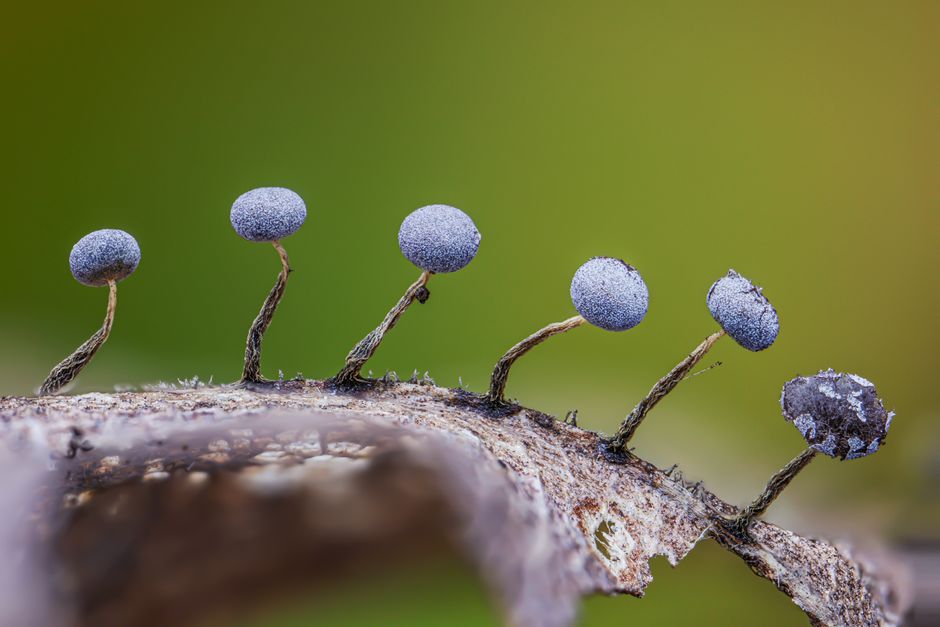
The construction industry, historically responsible for a significant portion of global carbon emissions and waste, is currently undergoing a paradigm shift. As architects and engineers seek to transition away from carbon-intensive materials like concrete and steel, a surprising candidate has emerged from the forest floor: fungi. Mycelium, the vegetative root structure of mushrooms, is being transformed into a high-performance building material. By leveraging the natural growth cycles of these organisms, designers are pioneering a new field known as myco-architecture, which promises to replace energy-heavy insulation and structural components with carbon-sequestering, organic alternatives.
The Science of Mycelium-Based Materials
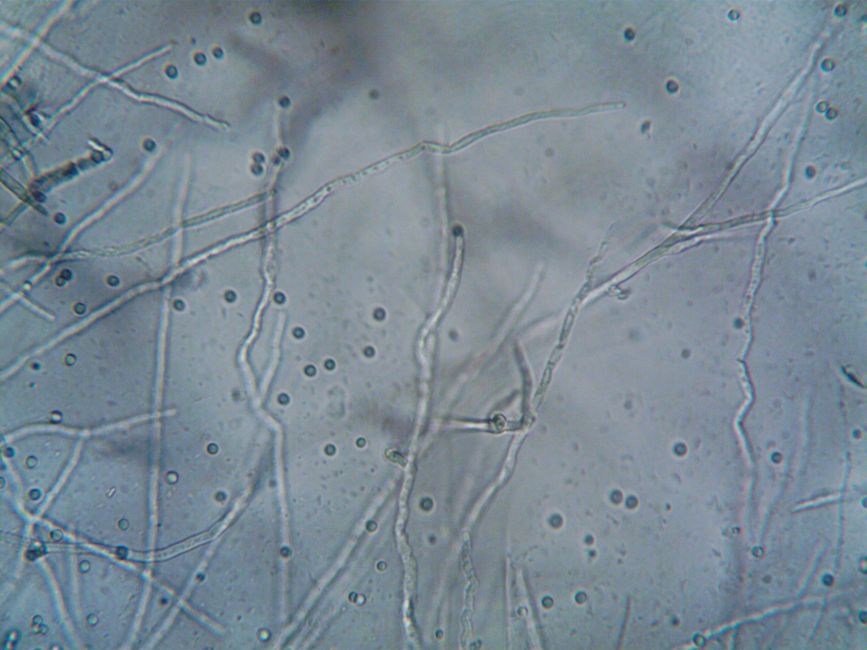
At its core, mycelium is a complex, branching network of filaments known as hyphae. In nature, these filaments serve to decompose organic matter and distribute nutrients through the soil. In a controlled laboratory or industrial setting, this biological process is redirected. By introducing fungal spores to a substrate—typically agricultural waste such as hemp husks, sawdust, or corn stalks—the mycelium consumes the organic material, binding it together into a dense, solid matrix. Once the desired shape is achieved, the growth process is halted through heat treatment, resulting in a durable, lightweight, and versatile mycelium building material.
Recent research, such as the studies published in Case Studies in Construction Materials, highlights that these composites are not merely aesthetic curiosities. They are highly porous, structurally sound, and chemically versatile. Because the growth process requires minimal energy compared to the production of traditional materials like plastics or expanded polystyrene, mycelium-based materials represent a significant leap forward in low-impact construction.
Thermal Performance and Energy Efficiency
One of the most promising applications for mycelium architecture is in the realm of building performance, specifically thermal insulation. Recent numerical analyses have demonstrated that mycelium-based composite walls can significantly outperform traditional lightweight insulation in regulating indoor environments. By configuring these materials as sandwich composites, engineers can create high-performance panels that mitigate indoor temperature fluctuations more effectively than conventional synthetic foam boards.
The porous nature of the interweaving hyphae creates natural pockets of air that function as an excellent thermal barrier. Unlike traditional insulation, which often involves toxic chemicals and high-embodied energy, mycelium insulation is biodegradable and carbon-negative. As architects strive to meet increasingly stringent energy codes, the integration of mycelium building material into wall assemblies offers a path toward passive, climate-resilient buildings.
Practical Applications in Modern Construction
While the concept of a mushroom house might sound experimental, the practical integration of mushroom structure architecture is already moving beyond the prototype phase. Designers are utilizing mycelium in three primary ways:
- Acoustic Panels: Due to their porous structure, mycelium-based tiles are exceptionally effective at sound absorption, making them ideal for interior design and office environments.
- Insulation Bricks: Mycelium bricks are being explored as a direct replacement for traditional lightweight masonry, offering superior thermal stability.
- Structural Composites: When grown in specific molds and combined with natural fibers, mycelium can be engineered to support structural loads, moving toward the potential for load-bearing myco-components.
Understanding the Limitations: Mycelium Bricks Disadvantages
Despite the optimism surrounding this technology, it is essential to maintain a realistic perspective. The adoption of mycelium bricks faces several technical and regulatory hurdles that must be addressed before mass-market adoption. Understanding these mycelium bricks disadvantages is crucial for professionals in the field:
| Limitation | Description |
|---|---|
| Standardization | Unlike steel or concrete, biological materials vary in density and strength depending on growth conditions, making uniform testing difficult. |
| Moisture Sensitivity | While treated to be stable, mycelium remains an organic material and requires proper sealing to prevent degradation in high-humidity environments. |
| Scaling Production | Growing bricks requires time and specific environmental controls, which currently contrasts with the rapid, “just-in-time” manufacturing speed of traditional materials. |
| Regulatory Hurdles | Existing building codes are designed for synthetic materials; updated fire and safety standards are needed to certify biological materials for commercial use. |
The Future of Myco-Architecture
The rise of mycelium architecture is not just about replacing bricks; it is about rethinking the lifecycle of our built environment. We are moving toward a future where our buildings are grown rather than manufactured. This requires a fundamental change in how architects view the construction process—shifting from “extractive” building methods to “regenerative” ones. While we may not yet be building skyscrapers entirely out of fungi, the integration of these materials into current building systems is a necessary step toward a circular economy.
For those interested in the technical specifications, researchers continue to update the data on thermal conductivity and structural integrity. Professionals looking to dive deeper into the performance metrics can often find a mycelium building material pdf through academic databases or specialized sustainability journals, which provide the raw data required for integrating these materials into building information modeling (BIM) workflows.
Is mycelium fire-resistant?
Yes, research indicates that mycelium-based composites can exhibit impressive fire-resistant properties. Through the development of novel strategies to treat natural fibers during the growth phase, researchers have been able to improve the thermal stability of these materials, making them a safer, non-toxic alternative to synthetic foams that often release harmful gases when ignited.
How long does it take to grow a mycelium building component?
The growth period typically ranges from a few days to a few weeks, depending on the desired density and the specific species of fungi used. While this is slower than traditional manufacturing, the process occurs at room temperature and requires minimal energy input, making it a highly sustainable method of production.
Can mycelium be used for load-bearing walls?
Currently, mycelium is primarily used for insulation, acoustic treatments, and non-load-bearing partitions. While experimental structures have successfully used mycelium for vertical support, it is not yet widely certified for primary load-bearing structural elements in high-rise or large-scale commercial construction due to the need for long-term data on material fatigue and moisture resistance.
Conclusion
The transition toward sustainable construction is inevitable, and mycelium stands at the vanguard of this movement. By embracing mycelium-based materials, the architecture and construction industries can significantly reduce their environmental footprint, turning agricultural waste into high-performance, carbon-sequestering assets. While we must address the current limitations regarding standardization and moisture resilience, the potential for mycelium architecture to redefine our relationship with the built environment is immense. As we look toward the future, the integration of fungi into our structural vocabulary is not merely an aesthetic choice—it is a vital component of a resilient and regenerative world.