
The beauty industry has long operated under the philosophy that more is better. For years, the gold standard of complexion maintenance involved aggressive layering of potent serums, nightly chemical peels, and high-percentage retinoids. However, a significant shift is currently underway. As consumers report increasing cases of sensitized, inflamed, and reactive complexions, a new approach is gaining traction: skincare microdosing and the practice of skin-fasting. By pivoting away from the “more is more” mentality, this movement suggests that the secret to long-term radiance might actually be doing less, not more.
Understanding Skincare Microdosing
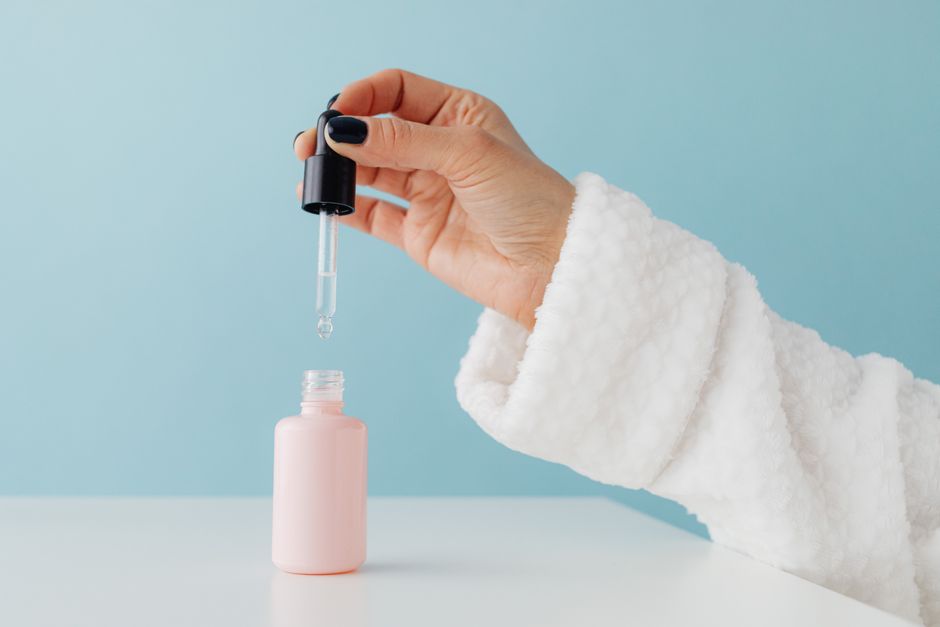
At its core, skincare microdosing is the strategic application of lower-concentration active ingredients to achieve consistent, visible results without triggering the irritation or barrier disruption often associated with high-strength formulations. Rather than bombarding the skin with maximum-strength acids or retinols that lead to redness and peeling, microdosing focuses on steady, incremental progress.
The dermatological consensus supports this approach, particularly for individuals with sensitive or reactive complexions. When active ingredients are used in smaller, more frequent doses, the skin is better able to build tolerance. This method effectively mimics the body’s natural renewal processes, allowing the barrier to strengthen over time while still reaping the benefits of anti-aging and resurfacing technology.
The Benefits of a Gentler Approach
The primary advantage of skincare microdosing is the preservation of the skin barrier. The barrier—or the stratum corneum—is the outermost layer of the skin, and its integrity is vital for moisture retention and protection against environmental stressors. Over-exfoliation and the habitual use of “active-heavy” routines have been identified as leading causes of chronic inflammation, which ironically accelerates the aging process by damaging the skin’s natural defenses.
By opting for lower concentrations, you reduce the risk of “retinoid burn” or chemical over-exfoliation. This allows users to maintain a consistent routine without needing to take days off to recover from intense treatments. It creates a sustainable cycle of improvement rather than a volatile cycle of damage and repair.
The Rise of Skin-Fasting

While microdosing focuses on the concentration of care, skin-fasting focuses on the frequency of application. Skin-fasting is the intentional practice of reducing or eliminating topical products for a set period. The logic behind this trend is that modern skincare routines have become so complex that the skin is rarely allowed to function entirely on its own.
When the skin is constantly coated in products, it may become reliant on external humectants, oils, and occlusives to maintain hydration. A skin-fast—whether it lasts for a single evening or an entire weekend—allows the complexion to reset. During this time, the skin can rebalance its natural sebum production and focus its energy on cellular repair rather than absorbing external ingredients.
How to Implement a Skin-Fast
Implementing a skin-fast does not mean abandoning all hygiene. Instead, it involves stripping your routine down to the absolute essentials. For a standard skin-fast, you might limit your routine to a gentle, non-stripping cleanser and a simple mineral-based sunscreen during the day. At night, you may choose to use nothing at all, allowing the skin to undergo its natural nocturnal repair cycle without the interference of heavy creams or active serums.
Comparing Approaches: Active vs. Minimalist
To better understand how these methods fit into a modern lifestyle, consider the following breakdown of how different approaches impact your complexion health.
| Approach | Mechanism | Best For |
|---|---|---|
| Traditional Active Routine | High-strength actives for rapid cell turnover. | Advanced users with resilient skin. |
| Skincare Microdosing | Low-strength, frequent application to build tolerance. | Sensitive skin and long-term maintenance. |
| Skin-Fasting | Removing products to reset natural balance. | Inflamed, reactive, or congested skin. |
Common Skincare Questions
What is the holy grail of anti-aging?
While many products promise miraculous results, the true holy grail of anti-aging is not a single product, but a combination of consistent sun protection and the long-term use of retinoids. Daily SPF application prevents the UV damage that accounts for the vast majority of visible aging, while retinoids encourage cellular turnover and collagen production. The key is patience; these ingredients work best when used in a steady, microdosing fashion over years, rather than in aggressive bursts.
Which two serums cannot be used together?
Generally, you should avoid layering high-strength Vitamin C with Retinol or chemical exfoliants like AHAs and BHAs in the same application. Vitamin C typically requires a lower pH to be effective, while retinol and acids can be highly irritating when combined with other actives. Combining them often leads to immediate barrier compromise. If you want to use both, it is best to use Vitamin C in the morning and reserve retinol or acids for your evening routine.
What ages your skin the most?
The primary driver of skin aging is chronic UV exposure. This process, known as photoaging, breaks down collagen and elastin fibers, leading to wrinkles, fine lines, and hyperpigmentation. Beyond UV rays, chronic inflammation—often caused by over-exfoliation and the overuse of harsh skincare products—is a major contributor. Environmental pollution and lifestyle factors like smoking and poor sleep also play significant roles in the degradation of the skin’s structural integrity.
What is the 4-2-4 rule in skincare?
The 4-2-4 rule is a cleansing technique designed to ensure the skin is thoroughly cleaned without being stripped. It involves four minutes of massaging an oil-based cleanser into the face, followed by two minutes of using a water-based foam or gel cleanser, and finishing with four minutes of rinsing—first with lukewarm water, and finally with cold water to help tighten the pores and increase circulation. It is a mindful approach that emphasizes the importance of a clean base before applying any active ingredients.
Conclusion
The future of complexion health is shifting away from the pursuit of instant, aggressive results and toward a more sustainable, balanced philosophy. Whether you choose to adopt skincare microdosing to maintain a healthy barrier or implement occasional skin-fasts to allow your complexion to breathe, the common denominator is mindfulness. By listening to your skin’s cues and resisting the urge to over-treat, you are investing in the long-term health and resilience of your face. Remember that care is not just about what you apply, but also knowing when to step back and let your skin do what it does best: protect and renew itself.