
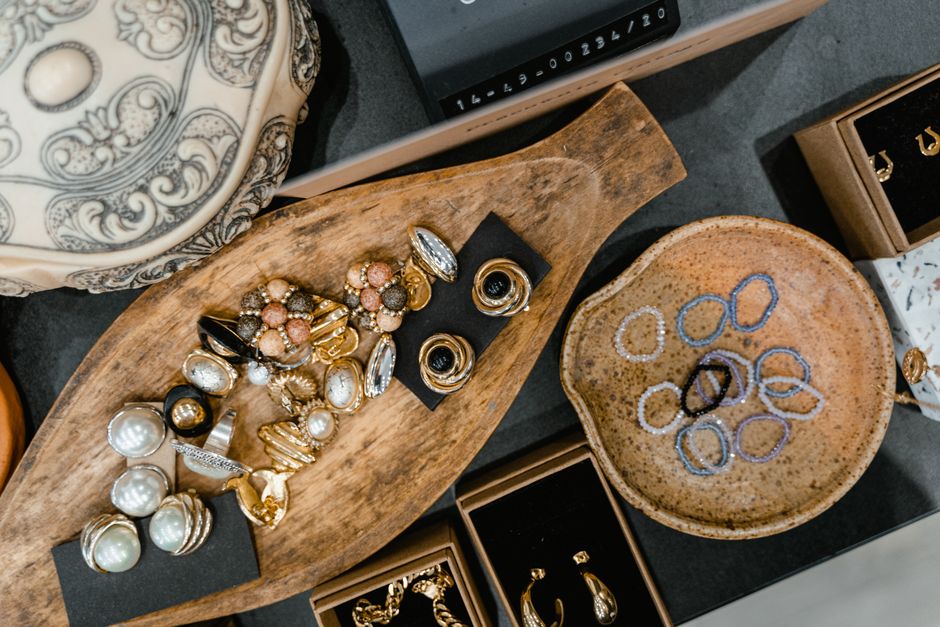
The boundary between high fashion and the natural world is blurring at an unprecedented rate. As sustainability becomes the defining pillar of modern style, a new movement has emerged that trades precious metals and synthetic gemstones for photosynthesis and organic growth. Known as bio-jewelry, this trend transforms the human body into a mobile garden, utilizing living moss, succulents, and air plants to create pieces that evolve, breathe, and flourish. Far from being a fleeting novelty, this shift represents a profound reconnection with the environment, turning the wearer into a custodian of a miniature, wearable ecosystem.
The Evolution of Bio-Jewelry: From Ornament to Organism
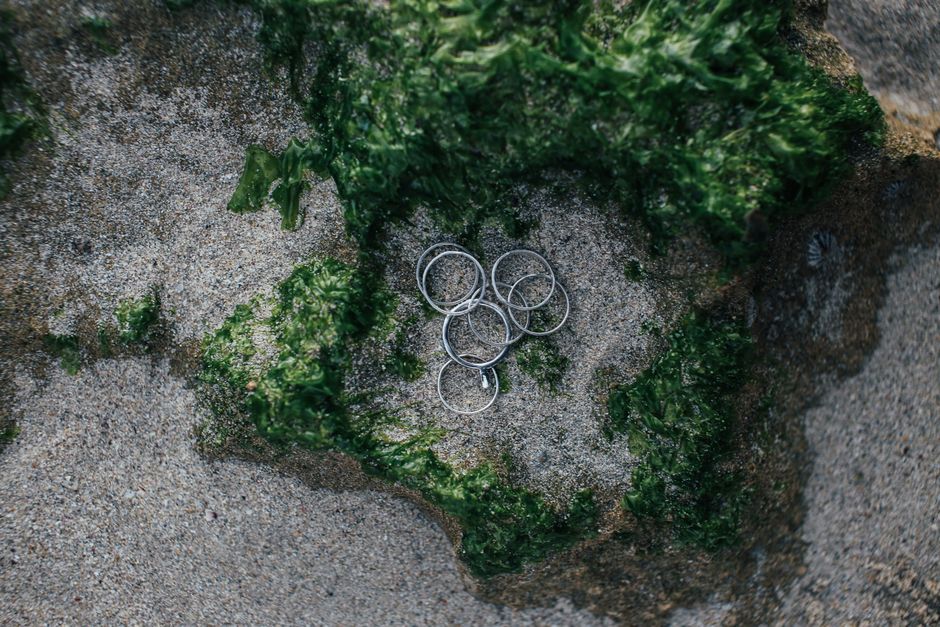
At its core, bio-jewelry is defined by the integration of living organisms into accessories. Unlike traditional jewelry that remains static from the moment of purchase, these pieces are dynamic. A succulent ring or a moss pendant is essentially a tiny, sophisticated terrarium that requires the same attention as a houseplant. The appeal lies in the ephemeral nature of the medium; because these plants are alive, they possess a vibrancy that inorganic materials simply cannot replicate.
The construction of these pieces often involves specialized, non-toxic mounting techniques. Artists use small, breathable containers, often made from sterling silver, gold-plated brass, or recycled resin, to house the plant life. These vessels are designed to provide just enough space for root systems to thrive while ensuring the plant remains secure during movement. The result is a piece of jewelry that feels more like an extension of the body than a decorative accessory.
Why Wearable Nature is Capturing the Fashion World
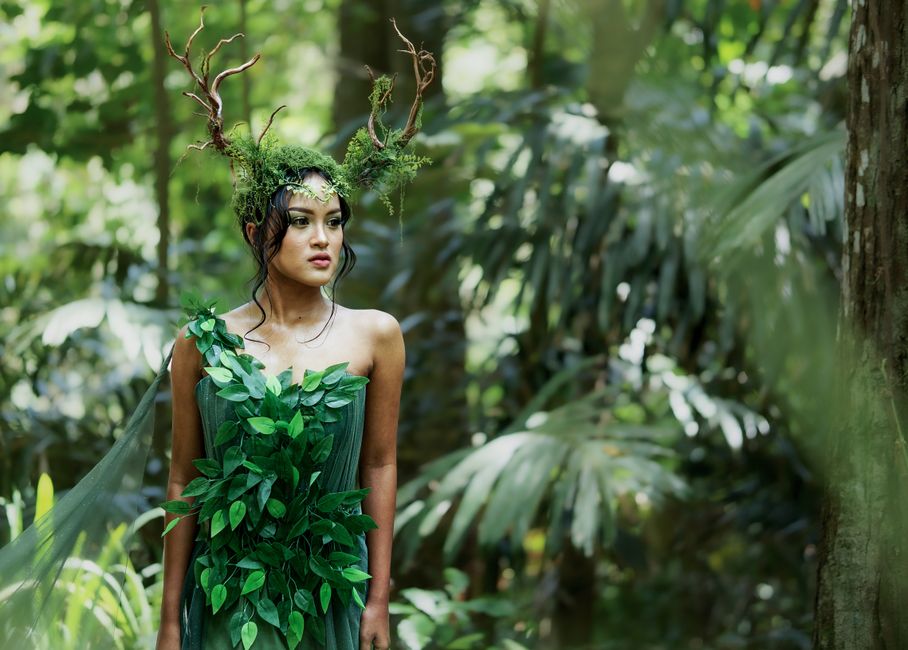
The rise of living accessories is deeply rooted in the broader cultural shift toward [biophilic](https://t10family.com/en/biophilic-minimalism-elevate-small-spaces-with-living-walls/) design—the human tendency to seek connections with nature. In an increasingly digital and urbanized world, succulent jewelry serves as a grounding mechanism. It is a tactile, sensory experience that brings the tranquility of a forest floor or a desert landscape directly to the wrist, neck, or lapel.
Fashion houses and independent artisans alike are embracing this trend as a response to the “fast fashion” crisis. By choosing to wear plant-based adornments, consumers are signaling a commitment to environmental consciousness. These pieces are inherently biodegradable and promote a philosophy of care rather than consumption. When a piece of succulent jewelry eventually outgrows its setting, it can be replanted in a garden or a larger pot, completing a cycle of life that is fundamentally at odds with the disposable nature of traditional costume jewelry.
Caring for Your Botanical Accessories
Maintaining bio-jewelry requires a departure from the “set it and forget it” mentality of conventional accessories. Because these pieces are living, they demand regular maintenance to ensure their longevity. The care routine is relatively straightforward, yet it requires consistency.
Light and Hydration Requirements
Most succulent and moss-based jewelry thrives in indirect, bright light. Direct, harsh sunlight can scorch the delicate tissues of the plants, especially when they are housed in small metal containers that may heat up. When it comes to hydration, a light misting with a spray bottle is usually sufficient. Overwatering is the most common mistake; because there is limited soil and drainage in a pendant or ring, it is essential to allow the medium to dry out slightly between waterings to prevent root rot.
Longevity and Lifecycle
It is important to manage expectations regarding the lifespan of these pieces. While a gold necklace lasts a lifetime, a living plant component may last several weeks to several months depending on the species and environmental conditions. Many enthusiasts view this as an opportunity to rotate their collection seasonally, matching their jewelry to the changing colors and textures of the natural world.
FAQ: Navigating the World of Living Accessories
What jewelry is making a comeback in 2026?
In 2026, the industry is witnessing a significant pivot toward organic, “living” aesthetics. While classic vintage styles remain popular, the most notable comeback is the shift toward botanical-inspired designs that prioritize natural textures, raw earth elements, and, most notably, bio-jewelry. Consumers are moving away from mass-produced synthetic materials in favor of pieces that tell a story of growth and environmental awareness.
What is the hottest trend in jewelry right now?
The hottest trend is undoubtedly “wearable nature.” This encompasses everything from hyper-realistic botanical carvings to actual living moss and succulent designs. The focus is on jewelry that offers a sensory experience, providing a calming, biophilic connection to the wearer. Whether it is a tiny terrarium pendant or a statement brooch featuring air plants, the trend emphasizes individuality and a deep respect for the planet.
Can you put moss with succulents?
While both are popular in bio-jewelry, combining moss and succulents in the same small container can be challenging. Moss generally prefers higher humidity and consistent moisture, while most succulents thrive in drier conditions with well-draining soil. However, it is possible to create a harmonious arrangement by using species that share similar care requirements or by layering the materials in a way that separates the root systems while allowing them to coexist aesthetically within the same jewelry piece.
How do you make botanical jewelry from plants?
Making botanical jewelry involves selecting hardy, slow-growing plants that can tolerate limited soil volume. The process typically begins with a container—often a metal or ceramic setting designed for breathability. A small amount of nutrient-rich, moisture-retaining substrate is added, followed by the careful placement of the plant. Using non-toxic adhesives or specialized wire wrapping, the plant is secured to the base. The final step is ensuring the design allows for airflow, which is critical for the long-term health of the plant.
Conclusion
The rise of bio-jewelry marks a fascinating intersection of biology and style. As we continue to seek ways to express our values through our wardrobe, the choice to wear a living organism becomes a powerful statement of intent. These pieces do more than accessorize an outfit; they remind us of our place within the natural world and the responsibility that comes with nurturing life. By embracing succulent jewelry and other moss-based designs, we are not just following a trend—we are participating in a movement that celebrates the beauty, fragility, and resilience of nature in its most intimate form.