
The modern approach to personal style has shifted dramatically. Where once the pinnacle of fashion was defined by the perpetual cycle of new seasonal collections, today’s most sophisticated dressers are pivoting toward a more intentional, circular philosophy. Adopting a second-hand first mindset is no longer just an eco-conscious choice; it is the ultimate expression of individual curation. By integrating second hand fashion into your daily rotation, you are not merely shopping; you are participating in a global movement that prioritizes longevity, craftsmanship, and the thrill of the hunt. Mastering this art requires a blend of patience, discernment, and a clear vision for the wardrobe you wish to build.
The Philosophy of the Curated Resale Wardrobe
To master the art of second hand shopping, one must first dismantle the impulse to buy quickly. A curated wardrobe is built on the foundation of intentionality. When you choose to source your clothing from the resale market, you are moving away from the ephemeral nature of high-street trends and toward a collection defined by character. This shift allows you to find pieces that carry a narrative—a silhouette from a bygone era, a high-quality fabric that has stood the test of time, or a designer gem that remained elusive during its original retail run.
The environmental impact of this shift is profound. Research suggests that if every adult in the UK committed to purchasing half of their wardrobe through second hand channels, the cumulative reduction in carbon emissions and waste would be staggering. By extending the lifecycle of existing garments, we effectively slow the frantic pace of production and consumption, proving that the most sustainable item is the one that already exists.
Building a Capsule Wardrobe with Second-Hand Finds
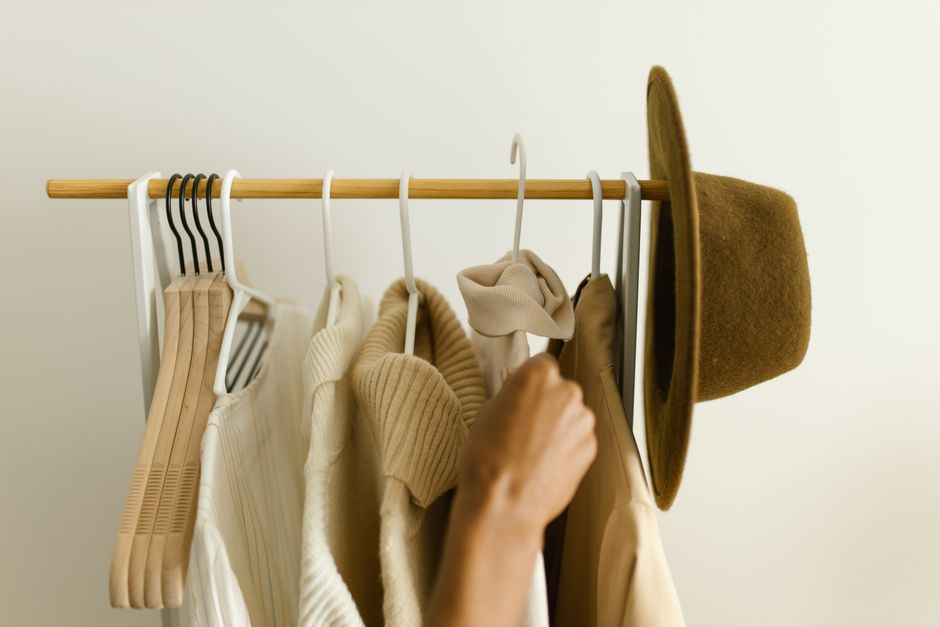
A capsule wardrobe is the secret weapon of the organized fashion enthusiast. It relies on a core set of versatile, high-quality pieces that can be mixed and matched with ease. When building this collection using second hand fashion, the strategy changes slightly from standard retail shopping.
Prioritizing Quality Over Quantity
When browsing online resale platforms, focus on the fabric composition and construction. Look for natural fibers like silk, wool, cashmere, and high-quality cotton. These materials age gracefully and are often found in vintage pieces that were manufactured with higher standards than much of today’s mass-market apparel. Investing in a pre-loved tailored blazer or a pair of classic denim jeans is far more rewarding than purchasing a new, lower-quality equivalent.
Defining Your Color Palette
A cohesive wardrobe is easier to style when your pieces share a common visual language. Start by identifying your “anchor” colors—typically neutrals like black, navy, camel, or cream—and then sprinkle in one or two accent colors that reflect your personality. By keeping this palette in mind while you are shopping, you prevent the common pitfall of buying “orphan” pieces that do not coordinate with anything else you own.
Navigating the Digital Resale Landscape
The digital age has democratized access to vintage and luxury resale. However, the sheer volume of available items can be overwhelming. To navigate these platforms effectively, you must learn to use filters and search terms with precision.
| Platform Type | Best Used For | Key Advantage |
|---|---|---|
| Broad Marketplaces (e.g., eBay) | Rare finds and specific designer searches | Massive inventory and search history |
| Curated Platforms (e.g., Reluxe) | High-end, editor-approved luxury | Hand-picked quality and authenticity |
| Circular/Rental Hybrids (e.g., Rites) | Contemporary labels and sustainable rotation | Focus on circularity and modern brands |
The Importance of Authentication
One of the greatest barriers to entering the luxury second hand market is the fear of authenticity. Fortunately, many reputable platforms now offer rigorous verification services. For high-ticket items, always prioritize sites that provide an item verification service for purchases over a certain threshold, such as £100. This peace of mind allows you to invest in a vintage luxury bag or coat without the anxiety of potential counterfeits.
FAQ: Mastering Resale Shopping
How do I determine my size when buying second hand?
Sizing standards have changed significantly over the decades. A “size 10” from the 1980s will rarely fit like a modern size 10. Always ask the seller for specific garment measurements—shoulder-to-shoulder, pit-to-pit, and inseam—and compare these to a piece of clothing you already own and love. Relying on the label size is the most common mistake in second hand shopping.
How can I ensure the items I buy are in good condition?
Communication is your best tool. Do not hesitate to ask sellers for additional photos, particularly of high-wear areas like cuffs, underarms, and hemlines. If a listing lacks detailed photos of the garment’s interior or tags, reach out to the seller. Transparent sellers are usually more than happy to provide extra context regarding the condition of their fashion items.
Is it better to shop locally or online?
Both have their merits. Local thrift stores and vintage boutiques offer the tactile experience of trying things on and spotting hidden gems in person. However, online platforms provide access to a global inventory, which is essential if you are hunting for specific brands or styles. A balanced approach—visiting local shops for inspiration and using online sites for targeted shopping—is often the most effective strategy.
Conclusion: The Future of Personal Style
Mastering the art of the second hand wardrobe is a journey of discovery. It requires you to slow down, refine your taste, and appreciate the history behind the clothes you wear. By choosing to source your fashion from the resale market, you are not just curating a closet; you are curating a lifestyle that values quality, sustainability, and personal expression. As you continue to refine your shopping habits, you will find that the pieces you hold onto the longest are often those that were found, rather than bought off the rack. Embrace the hunt, trust your eye, and enjoy the process of building a wardrobe that is as unique as you are.