
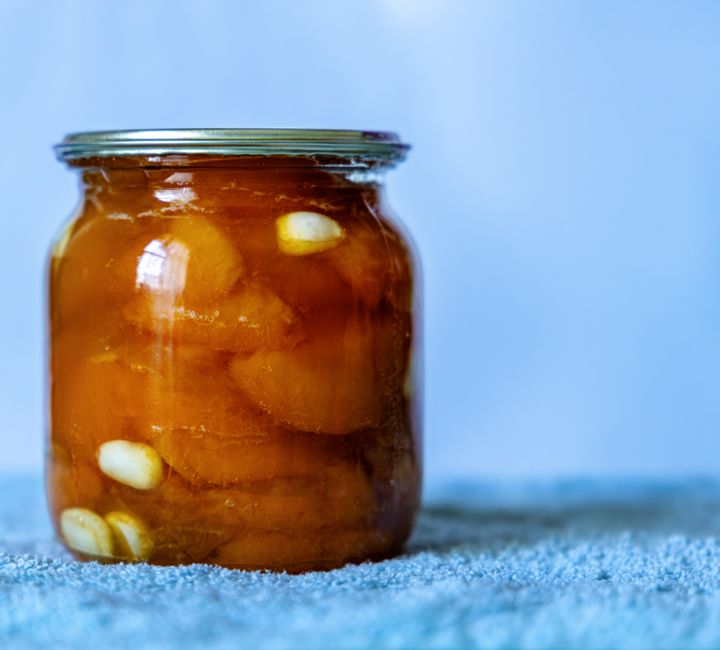
The modern kitchen is often a site of hidden abundance. While many home cooks view vegetable peels, herb stems, and fruit cores as mere waste, these items are actually untapped reservoirs of flavor, texture, and microbial potential. Zero-waste fermentation is the art of transforming these kitchen scraps into gourmet condiments, effectively closing the loop in your culinary practice. By shifting our perspective from disposal to preservation, we not only reduce our environmental footprint but also unlock a complex pantry of vinegars, hot sauces, and ferments that would be impossible to replicate with store-bought ingredients.
The Philosophy of the Zero-Waste Kitchen
The primary barrier to zero-waste cooking is volume. It is rare to have enough carrot peels or apple cores at the end of a single meal to initiate a fermentation project. The solution is simple: a dedicated freezer container. By keeping a bag or container in your freezer for vegetable ends, onion skins, and fruit trimmings, you can accumulate ingredients over several weeks until you have the necessary volume to craft a flavorful stock or a batch of vinegar. This methodical accumulation is the cornerstone of sustainable cooking, ensuring that no nutrient-dense material is discarded prematurely.
Fermentation as a Culinary Tool
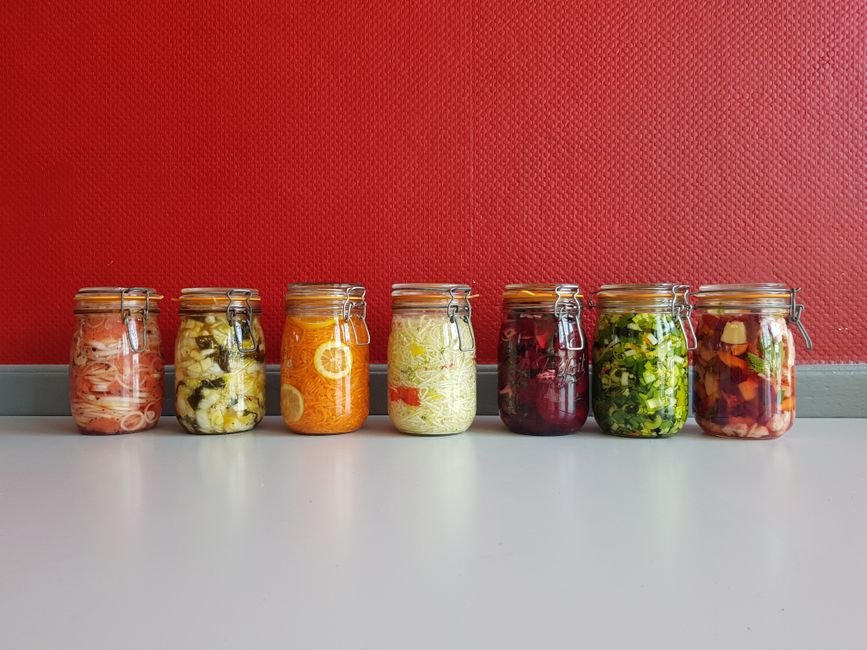
Fermentation is more than a preservation technique; it is a transformative process that alters the chemical structure of ingredients, creating new flavor compounds. When we talk about zero-waste fermentation, we are utilizing wild yeasts and beneficial bacteria to convert simple sugars and starches into acidic, savory, or tangy components. This process allows us to turn what was once destined for the bin into sophisticated ingredients.
Crafting Gourmet Vinegars from Fruit Scraps
Fruit scraps—specifically apple cores, pear stems, and pineapple skins—are rich in the natural sugars and yeasts required for fermentation. By submerging these scraps in a solution of filtered water and a small amount of sugar, you can cultivate a SCOBY (Symbiotic Culture of Bacteria and Yeast) that will eventually transform the liquid into a potent, tangy vinegar. Over a period of two to three weeks, the natural microflora on the fruit skins will initiate the fermentation process. Once strained, this homemade vinegar offers a nuanced depth of flavor that is perfect for deglazing pans, dressing seasonal salads, or creating complex marinades.
Vegetable Ferments and Microbial Diversity
When considering which fermented food supports the most diverse microbial community, many experts point toward traditional, wild-fermented vegetables like kimchi or sauerkraut. Why? Because these foods rely on a succession of different lactic acid bacteria (LAB) species that evolve as the acidity of the environment changes. By incorporating diverse vegetable scraps—such as broccoli stalks, kale ribs, or radish tops—into a salt-brined ferment, you are creating a varied environment that encourages a broad range of beneficial bacteria to thrive. This diversity is not only beneficial for gut health but also creates a more layered, complex flavor profile in the finished condiment.
Integrating Bokashi Composting into Your Workflow
For items that cannot be fermented into food—such as coffee grounds, eggshells, or fibrous stalks that are past their prime—Bokashi composting offers an elegant, zero-waste solution. Unlike traditional composting, which relies on aerobic decomposition, a Bokashi bin uses an anaerobic process to ferment organic matter. By layering your scraps with Bokashi Bran, which is inoculated with effective microorganisms, you can break down kitchen waste in a fraction of the time required by outdoor piles. The resulting Bokashi tea and fermented solids act as potent, nutrient-rich soil amendments, ensuring that even the zero-value portions of your kitchen waste contribute to a regenerative cycle.
Practical Strategies for Culinary Creativity
Experimenting with unconventional ingredients often leads to the most rewarding culinary discoveries. If you find yourself with an abundance of one specific scrap, think beyond the broth. For example, roasted vegetable peel chips, seasoned with sea salt and smoked paprika, make an excellent snack or crunchy garnish for soups. Similarly, aromatic herb stems can be infused into oils or vinegars to add a subtle, herbaceous note to your cooking. By treating these scraps as premium ingredients, you elevate your culinary repertoire while minimizing waste.
| Scrap Type | Best Use | Fermentation Potential |
|---|---|---|
| Fruit Cores/Skins | Vinegar, Infused Syrups | High |
| Vegetable Ends | Stocks, Vegetable Ferments | Medium |
| Herb Stems | Infused Oils, Pestos | Low |
| Fibrous Stalks | Bokashi Composting | High (Anaerobic) |
Frequently Asked Questions
Is it safe to ferment kitchen scraps at home?
Yes, provided you follow basic hygiene protocols. Always use clean jars, ensure your brine concentration is sufficient, and keep the solids submerged under the liquid to prevent mold growth. If you see fuzzy mold or detect a putrid smell, discard the batch and start fresh.
How long should I keep scraps in the freezer?
You can keep vegetable scraps in the freezer for up to three months. Beyond that, they may suffer from freezer burn, which can negatively impact the final flavor of your stocks or ferments. Labeling your containers with the date helps manage your rotation.
Can I use any vegetable scraps for fermentation?
While most vegetable scraps are safe, avoid using moldy or rotting parts. The goal is to use fresh trimmings. If a vegetable is too wilted to eat raw, it is likely better suited for a cooked stock or for your Bokashi bin rather than a raw ferment.
What is the benefit of using Bokashi Bran?
Bokashi Bran acts as a catalyst, introducing beneficial microbes that ferment the organic matter. This prevents the putrefaction that usually causes odors in kitchen waste, making it an excellent method for indoor composting in small apartments or urban settings.
Conclusion
Transforming kitchen scraps into gourmet condiments is a rewarding practice that bridges the gap between environmental responsibility and culinary excellence. By utilizing fermentation techniques—from crafting fruit-based vinegars to managing a Bokashi bin—you reclaim the hidden value in every ingredient. This shift in mindset, from viewing leftovers as waste to seeing them as raw materials, empowers you to create bold, nuanced flavors that truly define a zero-waste kitchen. As you continue to experiment, you will find that the most interesting flavors are often found in the parts of the vegetable we were previously taught to throw away, proving that true culinary innovation is rooted in sustainability.