
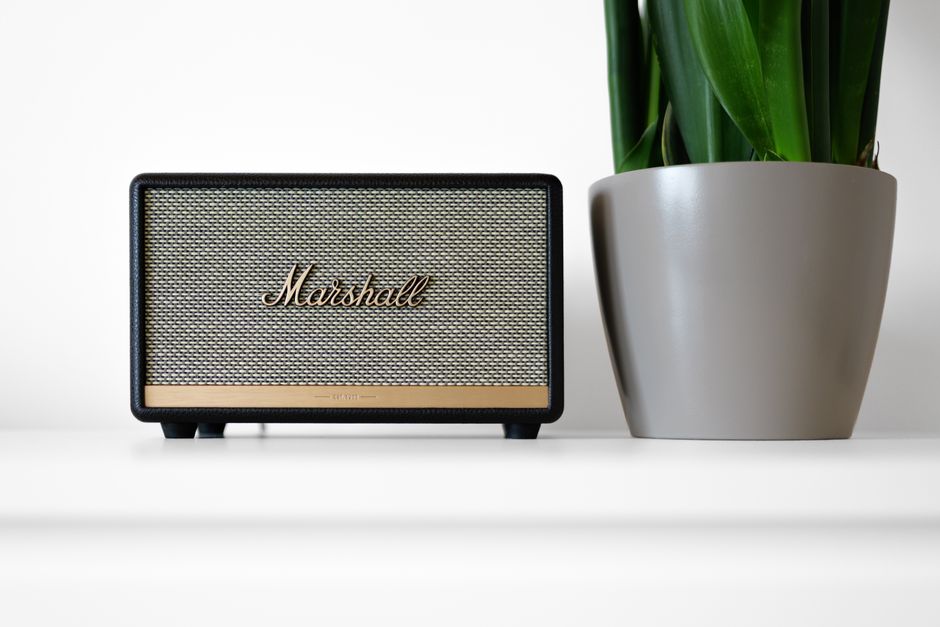
For centuries, gardeners have whispered to their seedlings, often dismissed as an eccentric habit of those who love their greenery a little too much. However, modern science is beginning to bridge the gap between folklore and biology, revealing that the world of plants is far more responsive to its environment than previously imagined. Acoustic gardening—the practice of using specific sound frequencies to accelerate indoor plant growth—is emerging as a legitimate area of botanical study. By understanding how sound waves interact with plant physiology, indoor gardeners can potentially optimize the health, vigor, and yield of their favorite houseplants.
The Science Behind Plants and Sound
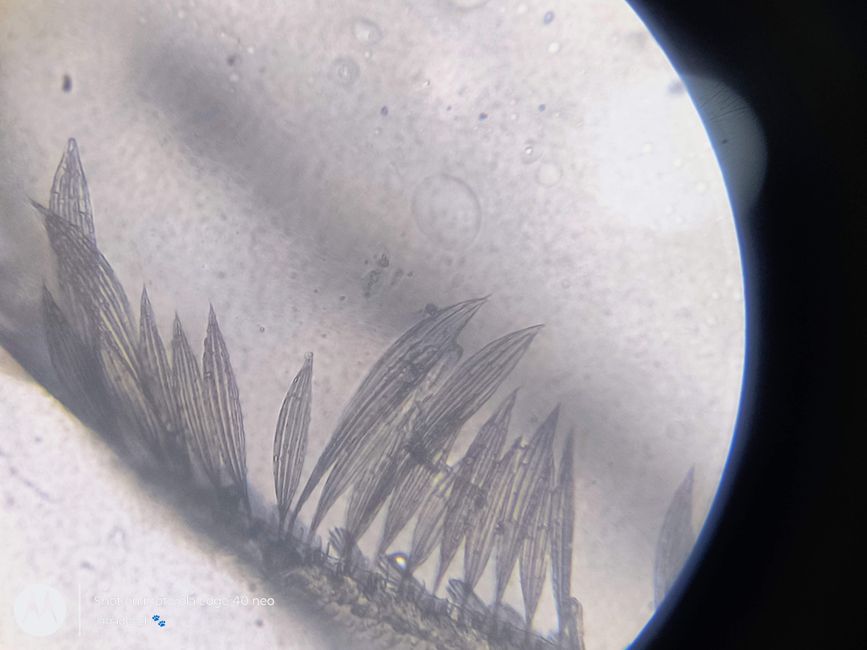
Plants are not passive organisms; they are highly sensitive biological systems that interact constantly with their surroundings. While plants lack ears, they possess the remarkable ability to sense and respond to sound, vibration, rhythm, and frequency. At a cellular level, plants detect these acoustic inputs through mechanoreceptors, which translate physical vibrations into biochemical signals. When sound waves hit a plant, they create sonic vibrations that cause microscopic movements in the leaves. This physical stimulation can induce the stomata—the tiny pores on the underside of leaves—to open more widely, facilitating gas exchange and nutrient absorption.
Research indicates that this acoustic stimulation can trigger a cascade of physiological improvements. Specific musical frequencies can activate photosynthesis-related enzyme systems, which in turn accelerates the synthesis and renewal of photosynthetic pigments. By improving chlorophyll content and photosynthetic efficiency, sound waves essentially act as a catalyst for growth. This is not merely anecdotal; studies have shown that controlled exposure to specific sound environments can lead to measurable changes in morphology, including altered leaf size, thicker stems, and more robust root systems.
Best Acoustic Gardening Using Sound Frequencies to Accelerate Indoor Plant Growth

If you are looking to integrate acoustic gardening into your home, it is important to understand that not all sounds are created equal. The best acoustic gardening using sound frequencies to accelerate indoor plant growth involves consistency and the selection of appropriate frequency bands. Generally, plants tend to respond favorably to rhythmic, harmonious sounds. High-intensity, erratic noise can be stressful, while gentle, consistent vibrations—often found in classical music or specialized nature-inspired soundscapes—tend to promote positive growth.
When searching for content on YouTube acoustic gardening using sound frequencies to accelerate indoor plant growth, you will find a variety of playlists ranging from meditation music to sine-wave generators. The key is to avoid extreme volumes. Because plants respond to vibration, the sound does not need to be loud enough to disturb your neighbors; subtle, low-frequency vibrations are often the most effective. Aim for a balanced environment where the sound is played at a moderate volume for several hours a day, ideally during daylight hours when the plant is actively photosynthesizing.
Optimizing Growth Through Specific Frequencies
The impact of sound frequency for plant growth is highly specific. Just as different species of plants require different amounts of light or water, they also exhibit unique responses to varying acoustic inputs. Some studies suggest that frequencies between 125 Hz and 250 Hz can be particularly beneficial for root development, while higher frequencies may influence the opening of stomata and overall leaf metabolism. Understanding the plants sound frequency requirements is an ongoing field of study, but for the home gardener, variety and moderation are the best strategies.
The Role of Mechanoreceptors
Plants utilize mechanosensitive ion channels to detect vibrations. When a sound wave strikes the surface of a leaf, it initiates a physical vibration. This signal is converted into an electrical impulse that moves through the plant, potentially signaling the plant to increase its metabolic activity. This process is similar to how plants respond to wind or touch, suggesting that sound is essentially a form of environmental information that the plant uses to adapt its growth patterns.
Monitoring Your Plants
To determine if your acoustic gardening efforts are working, keep a journal of your plants. Note changes in growth rate, leaf color, and the development of new shoots. You might consider using a sound of plants device, which translates the electrical impulses within a plant into audible music. While these devices are primarily for human entertainment and connection, they provide a fascinating window into the “bio-rhythms” of your indoor jungle, allowing you to observe how your plants react to the music you play for them.
FAQ: Common Questions About Acoustic Gardening
What sound frequency is best for plant growth?
Research suggests that plants respond differently to various frequencies. Generally, low-frequency sounds in the range of 100 Hz to 500 Hz are often cited as promoting healthy growth and root development. However, because different species have evolved in different environments, there is no single “magic” frequency. The most important factor is the consistency and the rhythmic nature of the sound, rather than a single perfect pitch.
Does the PlantWave device actually work?
The PlantWave device is designed to translate the electrical variations within a plant into MIDI data, which can then be played as music. It does not necessarily “make” the plant grow faster by playing music to it; rather, it allows you to hear the plant’s natural electrical activity. It is an excellent tool for fostering a deeper connection with your indoor garden and monitoring plant health, but it should be viewed as an educational or aesthetic tool rather than a growth-acceleration supplement.
Do sound vibrations help plants grow?
Yes, scientific evidence confirms that sonic vibrations can influence plant physiology. These vibrations can stimulate stomatal opening, improve chlorophyll production, and activate enzymes related to photosynthesis. By providing a stable, rhythmic acoustic environment, you can encourage your plants to maximize their metabolic efficiency, leading to more robust growth.
What frequency helps plants?
While research is ongoing, many studies point toward rhythmic, consistent sound patterns as being more beneficial than chaotic noise. Specific frequencies that mimic natural vibrations—such as those found in wind, flowing water, or gentle, harmonious music—appear to be the most effective at triggering positive biological responses in plants.
Conclusion
Acoustic gardening is a fascinating intersection of biology and art. By utilizing the best acoustic gardening using sound frequencies to accelerate indoor plant growth, you are doing more than just filling your home with music; you are creating a dynamic environment that encourages your plants to thrive. While the science of plants sound frequency is still evolving, the existing data is clear: plants are not deaf to the world around them. Whether you are using a specialized sound of plants device or simply playing your favorite playlist near your monstera, you are engaging in a practice that supports the biological vitality of your indoor space. As you continue to experiment with different sounds, remember that the most successful gardeners are those who observe, adapt, and listen to the needs of their plants, creating a symphony of growth that benefits both the garden and the gardener.