

For many neurodivergent children, the act of getting dressed is not merely a morning routine; it is a high-stakes sensory negotiation. The difference between a successful school day and a meltdown can often be traced back to a scratchy tag, a bulky seam, or a restrictive waistband. As awareness of neurodiversity grows, so does the demand for clothing designed with the nervous system in mind. The rise of sensory integration clothing is shifting the narrative from dressing for aesthetics to dressing for regulation, ensuring that children who experience the world differently can move through it with comfort and confidence.
Understanding Sensory Integration in Clothing
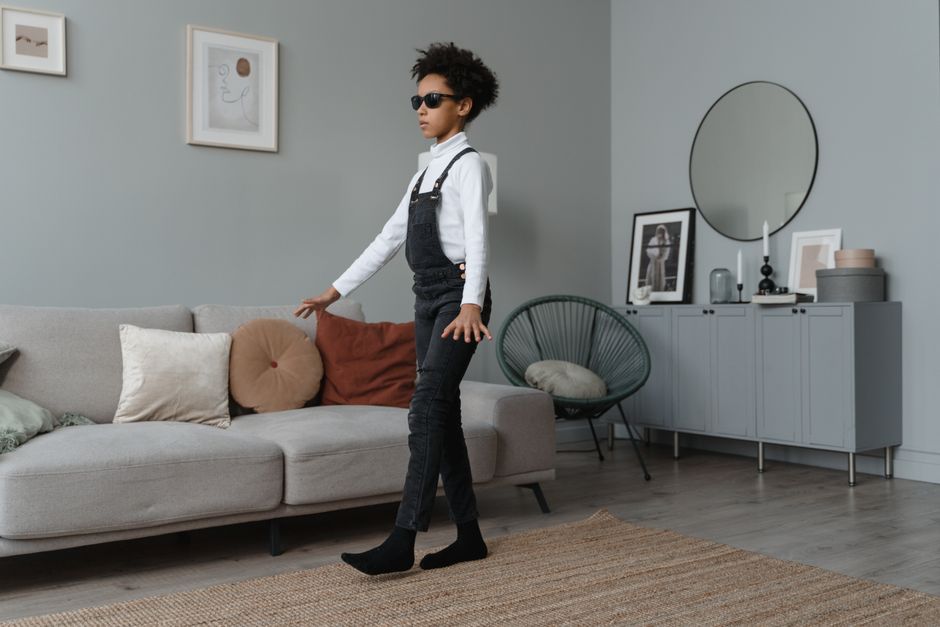
Sensory-friendly clothing is not simply about being soft; it is a specialized approach to garment construction that minimizes external stimuli that can overwhelm a child with sensory processing differences. When we talk about sensory integration in fashion, we are referring to the intentional removal of traditional irritants that can cause physical pain or psychological distress for neurodivergent individuals.
The Anatomy of Sensory-Friendly Design
True sensory-friendly clothing is defined by specific construction techniques that prioritize the wearer’s tactile experience. At a baseline, this includes the removal of tags, which are often the primary source of irritation. Beyond that, the industry is moving toward flat-seamed or completely seamless construction to eliminate the friction points that cause discomfort against sensitive skin.
Fabric selection is equally critical. The most effective sensory clothing brands utilize natural, breathable fibers such as organic cotton, bamboo, modal, or merino wool. These materials offer temperature regulation and a gentle tactile profile. For example, the UK brand Känna has gained recognition for addressing these needs by incorporating non-restricting waistbands and ultra-soft, brushed organic cotton blends, demonstrating that functional design does not require a sacrifice in style.
The Lifelong Nature of Sensory Needs

A common misconception is that sensory processing differences are a phase children eventually grow out of. In reality, sensory processing differences are lifelong features of the neurodivergent nervous system. The children who require sensory-friendly options today are the same individuals who will navigate adulthood with those same sensitivities. This is why the market for sensory friendly clothing adults is expanding; the need for clothing that supports self-regulation does not disappear upon reaching adulthood.
When searching for sensory clothing for autism or ADHD, it is vital to look for transparency. Brands that market products as designed for autism without disclosing the designers’ qualifications or specific development processes may be using marketing labels without substantive research. A reputable brand will explicitly list its fiber content and explain why it chose specific construction techniques, such as flat-lock seams. Consumers should prioritize companies that are transparent about their development process, as this often indicates a design philosophy rooted in genuine neurodivergent needs.
Why Construction Matters for Neurodivergent Children
Children with sensory processing differences face a unique set of challenges. They are often expected to perform in environments—such as classrooms or social gatherings—that are already sensory-heavy. When their clothing adds a constant, low-level physical irritation to that environment, it creates a compounding effect that can lead to rapid sensory overload.
The Impact of Tactile Sensitivity
Tactile defensiveness is a common experience for many neurodivergent children. Certain textures, weights, or pressures can trigger a fight-or-flight response. Sensory clothing helps mitigate this by providing a consistent, predictable tactile experience. By removing distractions like itchy lace, tight cuffs, or rough elastics, parents can help their children maintain a baseline of comfort, allowing them to focus their energy on learning and socializing rather than managing physical discomfort.
The Broader Impact of Inclusive Design
While the focus is often on sensory clothing for kids, [the benefits of](https://t10family.com/en/the-benefits-of-a-tech-free-summer-for-teens-digital-detox/) this design approach extend far beyond the neurodivergent community. The principles of sensory-friendly design—softness, ease of movement, and the absence of restrictive elements—are highly beneficial for seniors, individuals with mobility challenges, and anyone with chronic pain or fabric sensitivities. When we design for the most sensitive users, we create a more comfortable, accessible world for everyone.
Frequently Asked Questions
Do ADHD kids have sensory issues with clothes?
Yes. While sensory processing differences are most commonly associated with autism, many children with ADHD also experience significant sensory sensitivities. This can manifest as an intense dislike for specific textures, an inability to tolerate tight clothing, or a need for deep pressure input. For these children, sensory-friendly clothing can provide the necessary physical regulation to help them stay focused and calm.
Why is there an increase in neurodivergent children?
The perceived increase in neurodivergent children is largely attributed to better diagnostic criteria, increased clinical awareness, and a broader societal understanding of neurodiversity. As screening tools become more sophisticated and the stigma surrounding autism and ADHD decreases, more children are being identified and supported, rather than being labeled as simply “difficult” or “picky.”
Do autistic people have sensory issues with clothes?
Yes, many autistic individuals experience sensory processing differences that make traditional clothing difficult or painful to wear. Autistic sensory processing is highly variable; what one person finds soothing, another may find intolerable. This is why the industry is moving toward offering a wider variety of sensory friendly clothing brands that cater to different tactile preferences, from compression-style garments to loose, flowing fits.
What color is calming for autism?
While there is no single “magic color” that works for every autistic individual, color preference is highly personal and can be linked to sensory regulation. Generally, muted, earthy, or cool tones—such as soft blues, sage greens, or calm neutrals—are often preferred because they reduce visual noise. Bright, high-contrast, or neon colors may be overstimulating for some individuals, whereas others may find them uplifting. It is best to observe the individual’s reaction to different colors to determine what helps them feel most regulated.
Conclusion
The rise of sensory integration clothing marks a significant step forward in our collective understanding of neurodiversity. By acknowledging that the nervous system does not stop at the skin, we are moving toward a fashion industry that values function and comfort as much as form. Whether you are looking for sensory clothing for autism, neurodivergent clothing for adults, or simply more comfortable options for daily wear, the focus should always remain on quality, transparency, and the specific needs of the wearer. As we continue to advocate for more inclusive design, we empower neurodivergent children to navigate the world on their own terms, free from the unnecessary physical barriers that have for too long been accepted as a standard part of life.