
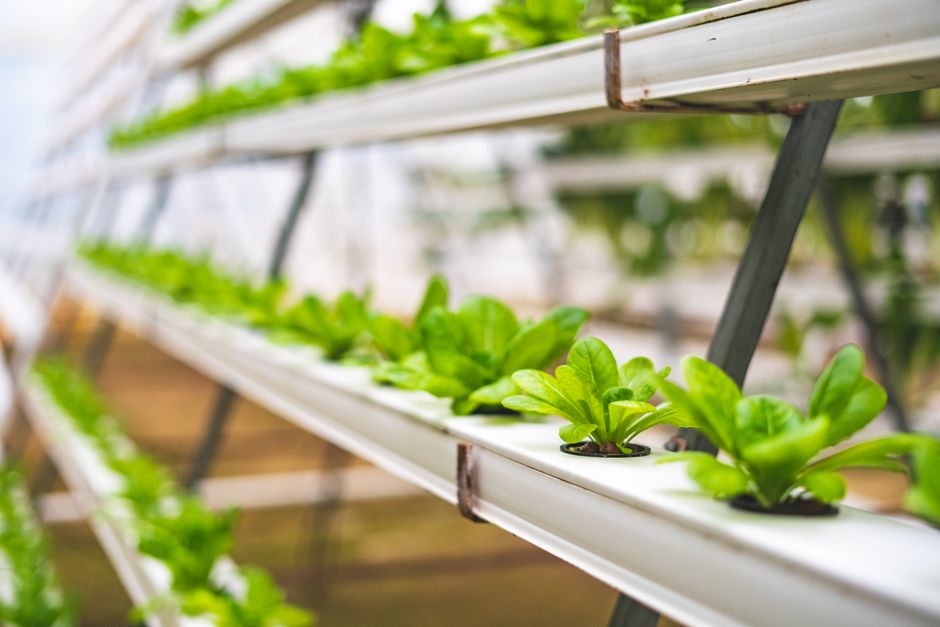
For the modern urban dweller, the dream of harvesting fresh produce and protein from one’s own living room is no longer a science fiction concept. As urban density increases and the distance between the farm and the table grows, a revolutionary approach to indoor gardening is emerging. Vertical aquaponics, the future of apartment-based sustainable eating, offers a sophisticated solution to the constraints of city living. By merging aquaculture with hydroponics in a space-saving, stacked design, apartment residents can transform a small corner of their home into a highly productive, closed-loop food ecosystem that provides a path toward personal food sovereignty and enhanced water use efficiency.
Understanding the Mechanics of Vertical Aquaponics
At its core, an aquaponics system is a symbiotic environment that mirrors natural biological cycles. It relies on the relationship between fish and plants. The fish produce waste, which is rich in ammonia. Beneficial bacteria, which naturally colonize the system, convert this ammonia into nitrates, a nutrient-dense fertilizer that plants crave. As the plants absorb these nutrients, they effectively filter the water, which is then returned to the fish tank in a clean, oxygenated state. When scaled into a vertical configuration, this process becomes a powerhouse of productivity.
Maximizing Limited Space with Vertical Farming
Traditional gardening requires vast tracts of land, but vertical farming techniques allow us to break free from horizontal limitations. By stacking growing beds atop one another, apartment dwellers can achieve yields up to 10 times greater than traditional soil-based gardening per square foot. This efficiency makes it possible to grow everything from leafy greens and herbs to fruiting vegetables like cherry tomatoes and peppers, all while maintaining a footprint no larger than a standard bookshelf.
The Closed-Loop Advantage
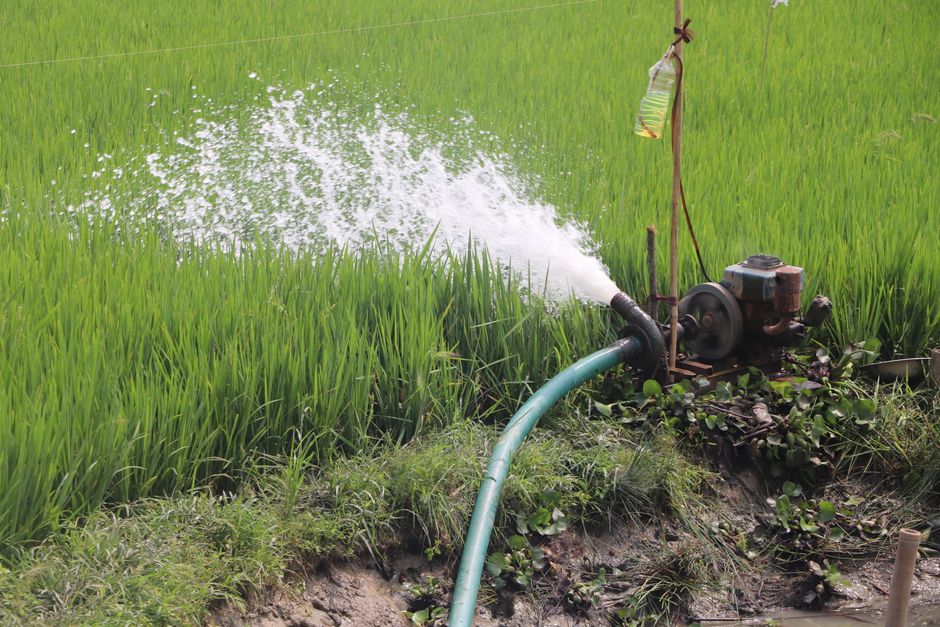
One of the most compelling arguments for this technology is its environmental impact. Because it is a recirculating, closed-loop system, aquaponics uses approximately 90% less water than traditional agriculture. In an era of increasing water scarcity, this sustainable approach is not just a hobby; it is a vital step toward responsible consumption. By recycling water within the system, you eliminate the need for constant irrigation, making it an ideal technology for the future of vertical farming in drought-prone urban environments.
Why Apartment Living Needs Aquaponics
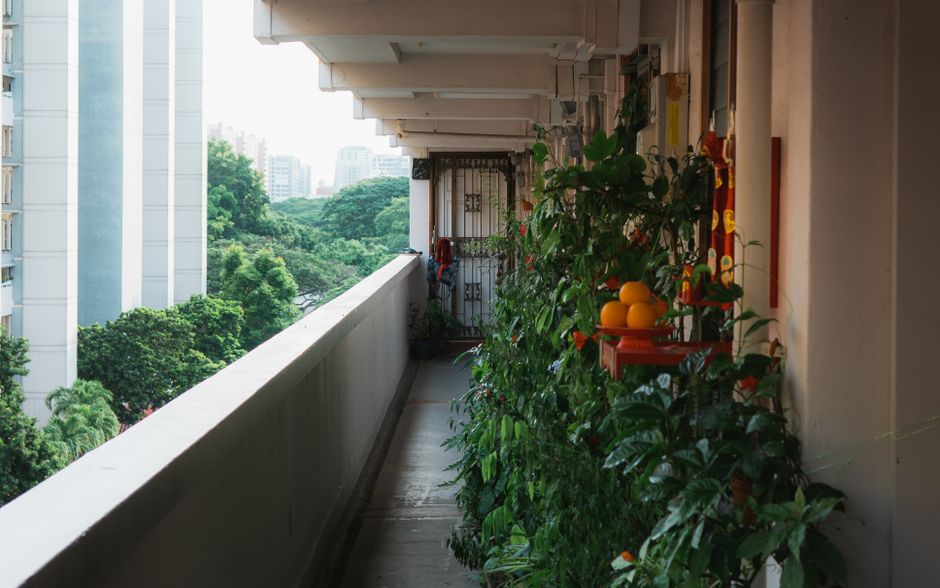
Integrating a living, breathing food system into your home does more than provide fresh ingredients for your cooking. It creates a direct connection to your food source, fostering an appreciation for the biological processes that sustain us. For many urbanites, the ability to control exactly what inputs go into their produce—avoiding synthetic pesticides and fertilizers—is the primary driver for adopting these systems. When you manage your own ecosystem, you gain true food sovereignty, ensuring that your household has access to nutrient-dense, pesticide-free greens year-round, regardless of the season outside.
Technical Considerations for the Home Grower
While the concept is elegant, successful implementation requires attention to detail. Researching the specific biological needs of your chosen fish species and plant varieties is essential. For those interested in a deep dive, an aquaponics research paper PDF can provide the technical background on nitrogen cycling, pH balance, and light spectrums required for optimal growth. Understanding these variables ensures that your system remains healthy and productive for years to come.
| Feature | Traditional Gardening | Vertical Aquaponics |
|---|---|---|
| Water Usage | High (Runoff/Evaporation) | Minimal (Closed-loop) |
| Yield per Sq. Ft. | Baseline | Up to 10x higher |
| Space Required | Large plot | Minimal (Vertical footprint) |
| Nutrient Source | Soil/Added Fertilizer | Fish waste (Natural) |
Frequently Asked Questions
Is vertical aquaponics difficult to maintain in an apartment?
Once the system is cycled and the bacterial colony is established, maintenance is relatively straightforward. Daily tasks include feeding the fish and checking water quality parameters like pH and ammonia levels. Most modern systems feature automated pumps and timers, meaning the system requires only a few minutes of daily attention, making it highly suitable for busy professionals.
What types of fish are best for a small vertical system?
For indoor residential setups, hardy ornamental fish such as goldfish or koi are often recommended for beginners. If you plan on consuming the fish, tilapia are the standard choice due to their rapid growth and tolerance for varying water conditions. However, always ensure your tank size is appropriate for the species you choose to keep.
How much electricity does an indoor system consume?
The primary electrical components are the water pump and the LED grow lights. Modern, energy-efficient LED technology has significantly reduced the cost of indoor farming, making it affordable to maintain a system throughout the year. Many growers find that the cost of electricity is easily offset by the savings on fresh, organic produce.
Can I really grow enough food to make a difference?
While a single vertical unit may not replace your entire grocery bill, it can provide a consistent supply of salad greens, herbs, and microgreens. When integrated into a household routine, it significantly reduces the need to purchase these items from the store, reducing your carbon footprint and providing a level of self-reliance that is increasingly valuable in modern urban settings.
Conclusion
The shift toward vertical aquaponics represents a fundamental change in how we perceive urban living. By embracing this technology, apartment dwellers can participate in a more resilient and sustainable food system. Whether you are driven by the desire for healthier food, the goal of reducing your environmental impact, or the sheer fascination of building a living machine, vertical aquaponics is the future of apartment-based sustainable eating. It is a practical, scalable, and deeply rewarding way to bring the cycle of nature into the heart of the city, ensuring that the sustainable path to food sovereignty is accessible to everyone, from the balcony to the living room.