

As we navigate the later chapters of life, the garden transforms from a place of mere labor into a sanctuary for rejuvenation and connection. Adaptive gardening represents a thoughtful shift in perspective, moving away from high-maintenance horticulture toward the creation of intentional, accessible spaces known as sensory edens. By integrating ergonomic design with multisensory engagement, adaptive gardening for aging populations offers more than just a hobby; it provides a therapeutic landscape that supports physical mobility, mental clarity, and emotional well-being. For many, this practice serves as a vital bridge to nature, offering a profound sense of purpose and a tangible way to manage the complexities of the aging process.
The Foundations of Adaptive Gardening
The primary goal of adaptive gardening is to remove the physical barriers that often discourage seniors from spending time outdoors. When the garden is designed with the user’s physical limitations in mind, it ceases to be a source of strain and becomes a venue for gentle exercise and creative expression. The best adaptive gardening practices prioritize sustainability and ease of movement, ensuring that the act of tending to plants remains enjoyable rather than exhausting.
Ergonomics and Accessibility
Physical strain is the most significant hurdle in traditional gardening. To mitigate this, practitioners should adopt the following strategies:
- Raised Beds: By elevating planting areas to waist height, gardeners can avoid the need for kneeling or bending, which is essential for those with arthritis or limited mobility.
- Vertical Gardening: Utilizing trellises and wall-mounted planters allows for gardening at eye level, making it easier to prune, harvest, and inspect foliage.
- Ergonomic Tools: Investing in lightweight, long-handled, or soft-grip tools reduces the pressure on joints and increases leverage for those with reduced grip strength.
- Hardscape Design: Ensure paths are wide, level, and constructed from non-slip materials to accommodate walkers or wheelchairs comfortably.
Designing a Sensory Garden
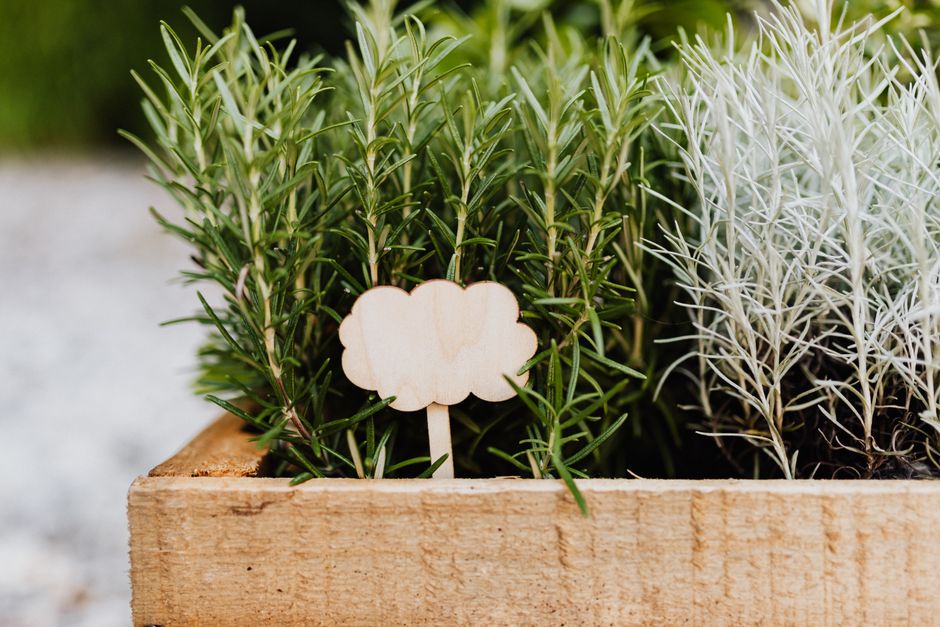
Designing a sensory garden requires a shift from purely aesthetic considerations to an immersive experience that engages all five senses. Sensory gardens are particularly effective for aging populations, as they provide rich cognitive stimulation. By curating a variety of textures, scents, and colors, one can create an environment that encourages mindfulness and reduces anxiety.
Engaging the Senses
When selecting sensory garden plants, aim for a diverse palette that provides interest throughout the seasons. The following table outlines how different plant characteristics contribute to a well-rounded sensory experience:
| Sense | Garden Feature | Plant Examples |
|---|---|---|
| Sight | Vibrant colors and movement | Sunflowers, Lavender, Japanese Maples |
| Sound | Rustling leaves and wildlife | Ornamental grasses, Bamboo, Wind chimes |
| Touch | Textured foliage and bark | Lamb’s Ear, Moss, Corkscrew Hazel |
| Smell | Aromatic blooms and herbs | Rosemary, Mint, Jasmine, Gardenia |
| Taste | Edible herbs and fruits | Strawberries, Thyme, Cherry Tomatoes |
Gardening and Dementia Prevention
The link between gardening and dementia prevention is increasingly supported by evidence suggesting that cognitive engagement is a cornerstone of brain health. The garden is a complex, living classroom that requires planning, problem-solving, and ongoing maintenance—all of which act as cognitive exercises. For those already navigating dementia, sensory-focused planting serves as a grounding mechanism, helping to anchor individuals in the present moment through familiar scents and tactile sensations.
Sensory-focused planting is not merely about decoration; it is a clinical approach to improving cognitive engagement. Certain scents can trigger long-term memories, while the gentle rhythm of weeding or watering can reduce the agitation often associated with cognitive decline. By providing a safe, predictable, and stimulating environment, the garden becomes a therapeutic tool that supports emotional regulation and social interaction among families and caregivers.
Creating Your Sensory Eden
To begin cultivating sensory edens for aging populations, start small. You do not need a vast acreage to create a meaningful space. Even a collection of containers on a patio can function as a sensory-rich environment if the plants are selected with care. The key is consistency and simplicity. Ensure that the garden is located near a primary living area so that it can be enjoyed even on days when the gardener may not be able to participate in active maintenance.
Consider the lighting and shade requirements of your specific site. An aging gardener needs shade to prevent overheating, while the plants need appropriate light to thrive. Integrating a comfortable, sturdy bench into the heart of the garden is essential. This allows for frequent rest breaks and encourages the individual to simply sit and observe, which is a valid and restorative form of engagement with the natural world.
Selecting the Right Plants
When choosing plants, prioritize those that are non-toxic and low-maintenance. Native plants are often an excellent choice as they are adapted to the local climate, requiring less water and fewer interventions. Herbs are particularly rewarding; they are hardy, fragrant, and provide an immediate culinary reward that connects the garden to the kitchen table.
Frequently Asked Questions
What are the best tools for seniors with arthritis?
Look for tools with thick, cushioned grips that do not require a tight squeeze. Ratcheting pruners are particularly useful as they multiply the force applied by the hand, making it easier to cut through thicker stems without causing joint pain.
How can I make my existing garden more accessible?
Start by assessing your pathways. Clear any overhanging branches, ensure the surface is even, and consider adding grab bars or sturdy railings near steps. If you have traditional ground-level beds, you can easily transition to raised beds or elevated planters without redoing the entire landscape.
Are sensory gardens safe for people with dementia?
Yes, provided the garden is designed with safety in mind. Avoid plants that are toxic if ingested, have sharp thorns, or cause skin irritation. Ensure the layout is intuitive and free of tripping hazards, and always supervise sessions if the individual has a tendency to wander or become disoriented.
How often should I spend time in the garden to see benefits?
Even short, frequent visits are more beneficial than long, occasional ones. Spending 15 to 20 minutes a day in the garden can help maintain a routine, provide consistent light exercise, and keep the individual connected to the seasonal changes of their environment.
Conclusion
The movement toward adaptive gardening cultivating sensory edens for aging populations reflects a growing recognition of nature’s role in our holistic health. By thoughtfully designing our outdoor spaces to be accessible, safe, and multisensory, we create environments that honor the dignity and needs of aging individuals. Whether it is the tactile comfort of soft foliage, the invigorating scent of fresh herbs, or the simple joy of watching a seed sprout, the garden offers a unique path to vitality. By embracing these principles, we can ensure that our gardens remain a lifelong source of discovery, peace, and connection, proving that it is never too late to plant the seeds of a more vibrant and engaged life.