

In an era where digital distraction is the norm, bridging the gap between intention and action has become a primary challenge for personal wellness. Many individuals struggle to maintain consistent health routines because the delayed gratification of long-term health benefits often fails to compete with the immediate dopamine hits of modern life. Enter the concept of gamified longevity: a movement that leverages behavioral psychology and biometric data to transform mundane health habits into engaging, high-stakes quests. By reframing self-care as a game, technology is empowering users to treat their physical and mental wellbeing with the same strategic intensity usually reserved for immersive video games.
The Mechanics of Gamified Wellness

At its core, gamification utilizes game-design elements—such as points, leaderboards, experience levels, and quest-based rewards—to influence human behavior. When applied to health, these gamified productivity apps convert abstract goals, like “eating better” or “improving heart health,” into concrete, measurable objectives. This shift is critical because it provides the immediate feedback loop that the human brain craves, effectively hacking the reward system to encourage consistency.
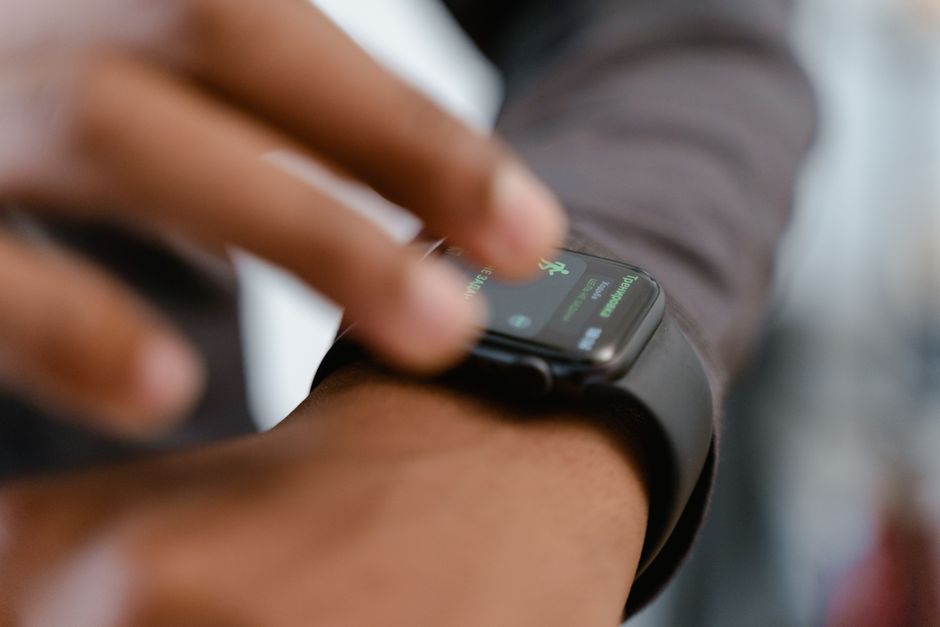
Modern platforms are moving beyond simple checklists. Today, the best gamified habit tracker solutions integrate directly with wearable technology, turning physiological data into in-game currency or character attributes. For example, a user might see their real-time heart rate variability (HRV) or autonomic coherence reflected as an “Aura” score, which fluctuates based on stress management and mindfulness exercises. This synthesis of biometric data and game mechanics creates a visceral connection between a user’s biological state and their digital progress.
From Habitica to Biometric Integration
The landscape of life gamification apps is diverse, ranging from simple task managers to complex ecosystems. Habitica remains one of the most popular entries in this space, functioning as a role-playing game where your real-life tasks determine the health and success of your digital avatar. Habitica free access makes it an incredibly accessible entry point for those looking to build structure. However, the next generation of apps, such as KarmaQuest, is pushing the boundaries by incorporating proprietary biometric tracking. By using the device’s sensors to monitor autonomic coherence, these apps ensure that “leveling up” is tied to genuine physiological health rather than just the completion of digital chores.
The Three Pillars of Gamified Growth
To build a robust gamified system, most successful platforms focus on three core pillars:
- Mindfulness: Tracking breathwork, meditation, and stress recovery through biometric feedback.
- Movement: Converting physical activity into experience points (XP) or currency.
- Nutrition: Gamifying dietary choices by rewarding consistent tracking and healthy macro-balancing.
By tracking these facets, users can gamify your life spreadsheet or digital dashboard, creating a comprehensive overview of their health trajectory. Whether you are using a manual tracker or an automated app, the goal is to visualize growth as a series of quests rather than a chore list.
Why Gamification Works for Behavioral Change
The efficacy of gamified systems lies in their ability to reduce the friction associated with habit formation. When a task is framed as a “quest” with a clear reward—be it a digital badge, a level-up, or a streak count—the psychological barrier to entry is lowered. This is particularly effective for individuals who struggle with executive function or those looking to optimize their longevity through data-backed lifestyle adjustments.
Furthermore, the data-driven nature of these apps allows for personalized “difficulty settings.” Just as a game adjusts to a player’s skill level, a well-designed health app should adapt to a user’s current baseline. If a user is consistently hitting their movement goals, the app might increase the “quest difficulty,” preventing the plateau effect and ensuring sustained engagement over the long term.
FAQ: Common Questions About Gamifying Your Life
What is an app that gamifies life?
An app that gamifies life is any digital tool that uses game-design elements to encourage positive habits. These apps typically include features like experience points, character progression, quest logs, and rewards for completing real-world tasks. Examples range from task-focused RPG-style apps like Habitica to advanced wellness ecosystems like KarmaQuest that utilize biometric sensors to track health markers.
Is Habitica any good?
Habitica is highly regarded for its ability to turn mundane tasks into a collaborative RPG experience. It is particularly effective for users who respond well to social accountability and visual progress indicators. While it may lack the advanced biometric integration found in newer, sensor-based apps, its strength lies in its simplicity and the ability to join “parties” with friends, making it a powerful tool for building consistency in daily routines.
Can you give me some examples of gamification games?
Beyond dedicated productivity tools, gamification appears in various forms. In health, apps like Zombies, Run! gamify jogging by turning your workout into an immersive survival story. In the realm of productivity, apps like Forest gamify focus by letting you grow a virtual tree while you stay off your phone. For holistic health, KarmaQuest offers a blend of mindfulness and movement, rewarding users with “Karma” points for maintaining a balanced, healthy lifestyle.
How to gamify tasks in ADHD?
For those with ADHD, gamification provides the external structure and immediate dopamine feedback necessary to overcome executive dysfunction. To gamify tasks, break large, overwhelming projects into “micro-quests” with clear deadlines and rewards. Use gamified productivity apps to automate the tracking process so you do not have to rely on willpower alone. By setting up “streaks” and visual milestone markers, you can create a feedback loop that rewards the brain for starting and finishing tasks, regardless of how small they might seem.
Conclusion
The future of personal health lies in the intersection of data and play. By using technology to turn our daily habits into quests, we can transform the often-tedious process of self-improvement into an engaging, rewarding adventure. Whether you are tracking your “Aura” to monitor nervous system health or using a classic RPG-style task manager to organize your day, the key is to find the system that provides the right level of challenge and intrinsic motivation. As we continue to integrate biometric data into our digital lives, the line between playing a game and living a healthy life will blur, ultimately making longevity a pursuit that is as fun as it is essential. By choosing the right tools, you can finally turn your health habits into an epic journey of continuous growth.