
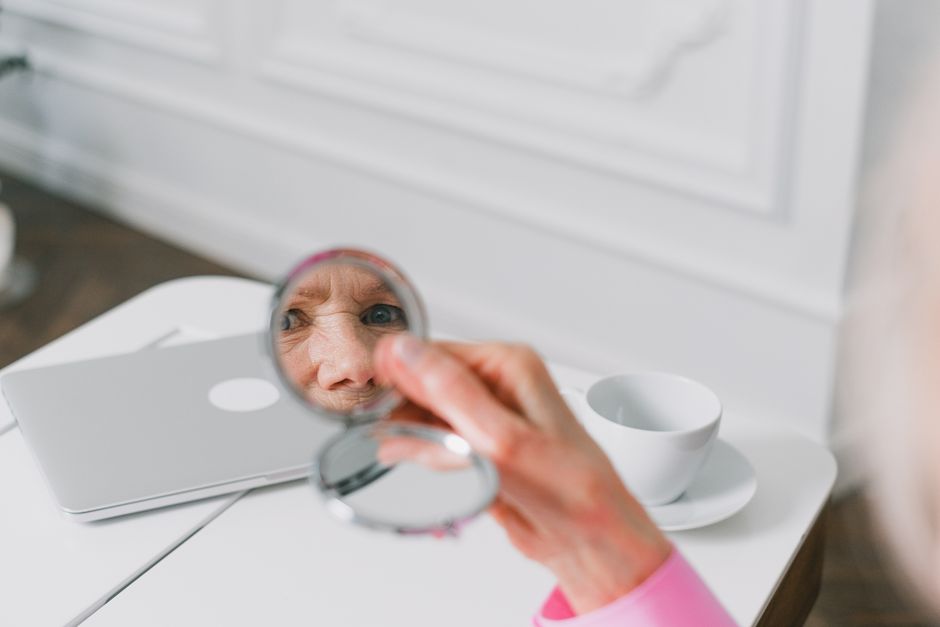
The intersection of technology and self-expression has birthed a new era of aesthetics, where the boundaries between physical appearance and digital enhancement are increasingly blurred. Augmented reality in the beauty industry has evolved from a playful social media novelty into a sophisticated tool that dictates how we perceive, purchase, and perform beauty. As digital-native generations prioritize the visual feedback loops of smartphone interfaces, the beauty sector is undergoing a profound transformation. This shift is characterized by a move away from traditional, product-led marketing toward an experience-based model where the face itself becomes a canvas for real-time, interactive experimentation.
The Evolution of the Digital-Native Aesthetic
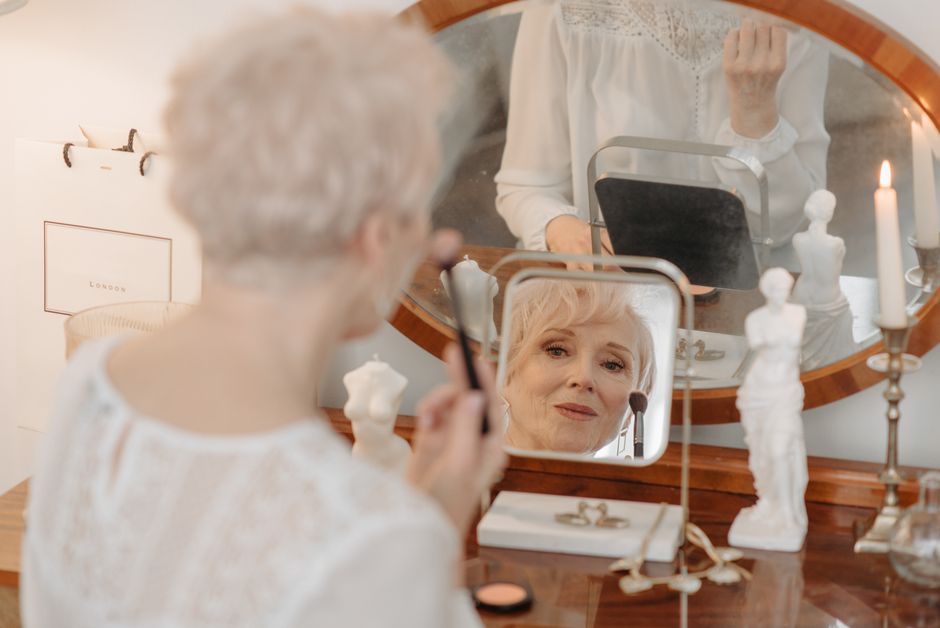
The current beauty landscape is heavily influenced by the capabilities of face-mapping software. Research indicates that AR filters have fundamentally shifted beauty standards from the pursuit of traditional perfection to a preference for digital hyper-reality. This aesthetic prioritizes specific, high-definition qualities: glass skin with zero visible texture, blurred pores, and exaggerated lash volume. These features are no longer just the result of post-production editing; they are the baseline expectation set by the augmented reality filters users interact with daily.
This phenomenon, often referred to as the Instagram Face, has standardized a specific look: cat-like, upturned eyes, high, contoured cheekbones, and unnaturally plump lips. Because these tools utilize real-time face-mapping to apply digital makeup, users have become accustomed to seeing themselves with these modifications. Consequently, the beauty industry has had to pivot, offering products that mimic these digital effects in the physical world, such as high-shine lip glosses, pore-blurring primers, and long-wear mascaras designed for high-impact definition.
How Augmented Reality and Virtual Try-ons are Reshaping Commerce
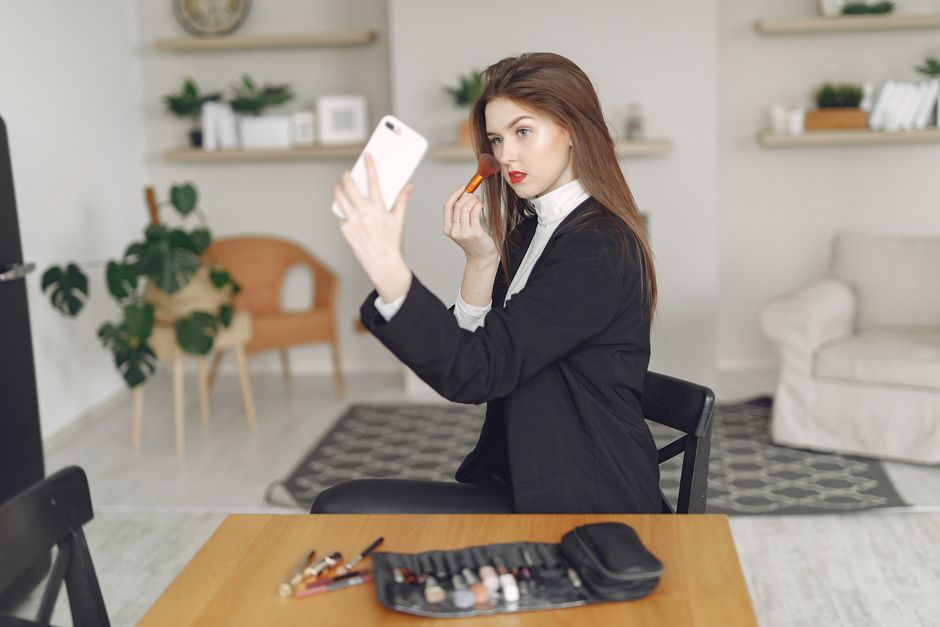
The integration of augmented reality and virtual try-ons on cosmetics and beauty platforms has become a cornerstone of modern retail strategy. By allowing consumers to visualize how a lipstick shade or foundation tone will look on their specific skin tone without the need for physical swatching, brands have successfully lowered the barrier to entry for online shopping. This technology is no longer a luxury but a fundamental expectation for any serious beauty website.
The Role of Market Leaders and Mirrors
Industry pioneers like ModiFace have set the standard for high-fidelity, real-time rendering. These technologies allow for precise color matching that adjusts for lighting and skin undertones, providing a level of accuracy that was previously impossible. Furthermore, a Brandxr research report on how beauty brands are using AR mirrors to increase sales highlights that these interactive installations in brick-and-mortar stores significantly enhance customer engagement. When a shopper can stand in front of an AR mirror and cycle through dozens of shades in seconds, the dwell time increases, and the likelihood of purchase rises, as the technology removes the anxiety of picking the wrong product.
| Feature | Traditional Shopping | AR-Enhanced Shopping |
|---|---|---|
| Product Testing | Physical swatches, hygiene concerns | Virtual try-ons, infinite hygiene |
| Color Accuracy | Variable lighting, manual effort | Real-time face-mapping, smart adjustment |
| Customer Journey | Linear and restricted | Interactive, personalized, and experimental |
| Conversion Rate | Standard | Higher due to reduced purchase hesitation |
The Future of Beauty AR: Beyond the Screen
As we look toward 2026, the trajectory of beauty AR points toward deeper integration with personal health and artificial intelligence. We are moving toward a period where augmented reality in the beauty industry will not just apply digital makeup, but will provide skin diagnostics, UV protection tracking, and personalized skincare routines based on real-time data analysis. The goal is to move from a “filter” aesthetic to a “smart” aesthetic, where the technology serves as a diagnostic tool rather than just a cosmetic overlay.
Frequently Asked Questions
What are some current augmented reality trends?
Current trends include the move toward hyper-personalized virtual try-ons that account for individual skin undertones and texture. There is also a significant rise in gamified beauty experiences, where brands create unique AR lenses for social media that allow users to interact with a product’s brand identity, such as virtual “try-on” games or augmented reality packaging that comes to life when viewed through a smartphone camera.
What is the newest beauty trend?
The newest trend is the “digital-native” look, which emphasizes a blurred, poreless finish and high-contrast features. This trend is driven by the desire to look as polished in real life as one does through a front-facing camera lens. Products that offer “filter-in-a-bottle” finishes, such as blurring balms and high-definition setting powders, are currently dominating the market.
What are the expected AR/VR trends in 2026?
By 2026, we expect to see the normalization of “beauty diagnostics” where AR tools analyze skin health—measuring hydration, fine lines, and sun damage—and then recommend specific, hyper-personalized products. Additionally, the integration of AR with wearable technology will allow users to receive real-time updates on their skin’s condition, effectively merging the beauty and wellness sectors through digital interfaces.
What is an augmented reality filter?
An augmented reality filter is a software-based effect that overlays digital elements onto the real-world view captured by a device’s camera. In the context of beauty, these filters use face-tracking algorithms to detect key facial landmarks, allowing them to apply virtual makeup, change skin texture, or alter facial proportions in real time, ensuring the digital elements stay aligned with the user’s movements.
Conclusion
The integration of augmented reality into the beauty industry represents a fundamental shift in how consumers interact with their own reflection. By offering a digital sandbox for experimentation, brands are not only driving sales through virtual try-ons but are also participating in the creation of a new, digital-first beauty language. While the influence of AR filters on beauty standards has sparked necessary conversations about the nature of perfection, the technology itself remains an invaluable bridge between the digital and physical worlds. As we progress, the focus must remain on using these tools to empower self-expression, enhance accessibility, and provide personalized solutions that cater to the unique needs of every consumer. The future of beauty is undeniably augmented, and those who master this reality will define the next generation of the industry.