

The boundary between traditional topical treatments and holistic wellness is dissolving, giving rise to a revolutionary concept in the beauty industry: Neuro-Glow. While skincare has historically focused on the physical epidermis—addressing concerns like hydration, pigmentation, and elasticity—the next frontier lies in the complex biological highway connecting our skin to our brain. By leveraging the principles of neuroscience, modern skincare is evolving into a sensory experience designed to influence our emotional state, reduce stress-induced skin damage, and cultivate a genuine sense of well-being. This is not just about surface-level aesthetics; it is about acknowledging that the skin is a sensory organ that communicates directly with the nervous system.
The Science of the Skin-Brain Axis

To understand the rise of neurocosmetics, one must first recognize that the skin and the brain share a common embryonic origin: the ectoderm. During fetal development, the cells that eventually become our skin are derived from the same tissue that forms our nervous system. This biological connection remains active throughout our lives, creating what scientists call the skin-brain axis. Your skin is essentially a massive, externalized sensory receptor that constantly relays information about the environment to your brain.
When we experience stress, our body releases cortisol, a hormone that triggers inflammation and disrupts the skin barrier. This is why periods of high anxiety often manifest as breakouts, sensitivity, or dullness. Neurocosmetics aim to intercept this cycle. By utilizing ingredients that interact with the skin-brain axis, these products work to modulate neurotransmitter release, essentially telling the nervous system to shift from a state of fight-or-flight to one of rest-and-digest.
How Ingredients Influence Neurotransmitters
Recent advancements in skincare research have identified specific botanical and synthetic compounds that can influence the skin’s nerve endings. Some of these ingredients act as precursors to feel-good neurotransmitters like beta-endorphins or dopamine. When applied topically, these neurocosmetic agents interact with receptors on skin cells, sending signals through the peripheral nervous system that can lower cortisol levels locally and improve the skin’s overall resilience. This is the essence of Neuro-Glow: using chemistry to bridge the gap between biological repair and emotional regulation.
The Role of Sensory Skincare in Emotional Well-being
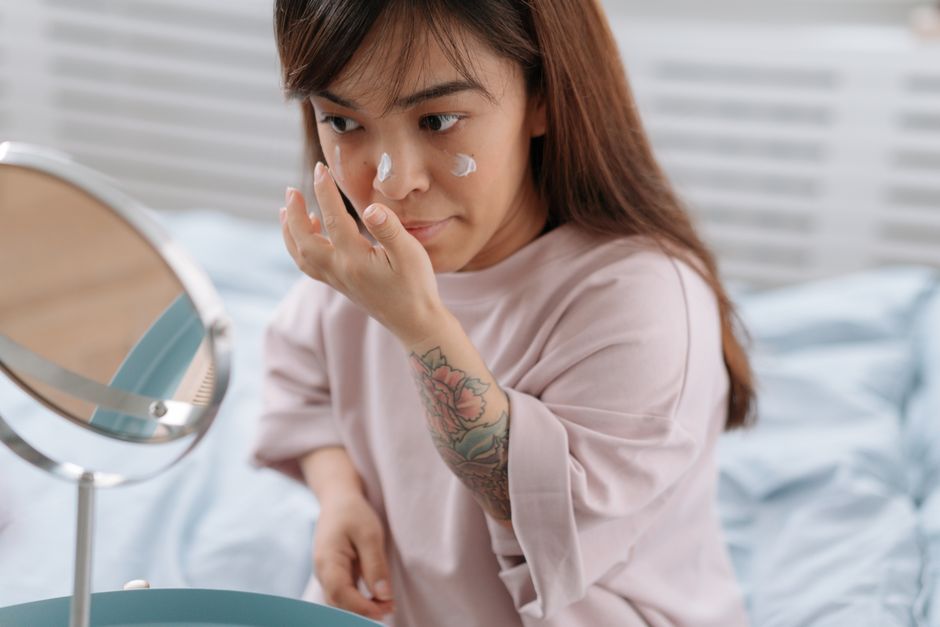
Beyond the molecular interaction of ingredients, the sensory experience of a skincare routine plays a critical role in mental health. Sensory skincare focuses on the tactile and olfactory properties of a product—the “ritual” of application. This is where neuroscience meets self-care. The act of massaging a rich, velvety cream into the skin or inhaling a calming, aromatherapeutic scent sends immediate feedback to the brain, stimulating the parasympathetic nervous system.
Texture, temperature, and scent are not merely marketing gimmicks; they are functional components of a neurocosmetic regimen. Research into sensory perception shows that rhythmic, gentle touch can decrease heart rate and reduce subjective feelings of stress. By turning a daily skincare routine into a mindful, sensory ritual, consumers can actively lower their stress levels, which in turn leads to a healthier, more radiant complexion—the literal definition of a glow that starts from within.
The Future of Beauty: A Holistic Integration
The industry is moving toward a future where beauty products are evaluated not just by their ability to reduce fine lines, but by their ability to improve the user’s mood and long-term mental health. As we continue to uncover the complexities of the nervous system, we can expect to see more personalized neurocosmetic solutions that address specific emotional states. Imagine a serum designed to combat the “brain fog” of a busy morning or a night cream formulated to induce a state of deep, restorative relaxation.
| Feature | Traditional Skincare | Neurocosmetics |
|---|---|---|
| Primary Goal | Physical correction (hydration, aging) | Holistic balance (skin-brain axis) |
| Mechanism | Barrier repair and cellular turnover | Neurotransmitter modulation and sensory feedback |
| User Experience | Functional and task-oriented | Ritualistic and mood-enhancing |
| Key Benefits | Visible aesthetic improvement | Stress reduction and systemic wellness |
Frequently Asked Questions
Is Neuraé owned by Sisley?
Yes, Neuraé is a brand developed and launched by the Sisley Paris group. It was specifically created to explore the intersection of neuroscience and skincare, focusing on products that aim to improve the mood through the skin-brain axis, marking a strategic shift for the luxury beauty house into the neurocosmetics space.
What are neurocosmetics in skincare?
Neurocosmetics are a category of beauty products formulated with ingredients designed to influence the nervous system through the skin. They work by interacting with the nerve endings in the epidermis to either stimulate the release of feel-good neurotransmitters or inhibit the release of stress-related hormones like cortisol, thereby addressing skin concerns that are exacerbated by emotional or physical stress.
What is the next big thing in skincare?
The next big thing in the industry is undoubtedly the integration of neuroscience into personal care. As consumers become more aware of the connection between mental health and physical appearance, the demand for products that offer “emotional benefits” alongside traditional clinical results is rising. This shift toward holistic, mind-body beauty is transforming how brands formulate their products and how consumers approach their daily routines.
What are some popular neurocosmetic brands?
While the category is still emerging, several brands are leading the charge. Neuraé is perhaps the most notable example of a brand built entirely around this concept. Other brands, such as OSEA, Vintner’s Daughter, and various luxury labels, are increasingly emphasizing the “sensory” aspect of their products, utilizing high-quality essential oils and specific textures to trigger positive neurological responses, even if they do not explicitly label themselves as neurocosmetic.
Conclusion
The emergence of the Neuro-Glow movement marks a sophisticated maturation of the beauty industry. By embracing the reality that our skin is an extension of our nervous system, brands are finally moving beyond purely aesthetic solutions to address the root causes of skin distress. Whether through the targeted application of neuro-active ingredients or the intentional design of sensory rituals, the future of skincare is undeniably tied to our brain health. As we continue to learn more about the skin-brain axis, the beauty routine will evolve from a chore into a vital pillar of mental and physical self-care, proving that when the mind feels balanced, the skin will inevitably shine.